English
How Accurate Are Biological Age Tests, Really?
Par Dr. Emily Carter

Introduction
A biological age test promises something powerful: a single number that reflects how well your body is actually aging, independent of the date on your birth certificate. Yet as these tests gain traction among health-conscious Canadians, a critical question keeps surfacing. Can you trust the results, or are they closer to a wellness novelty than a medical tool? The answer depends almost entirely on the methodology behind the test, and the differences between approaches are more significant than most people realize.
Understanding How Biological Age Is Measured
Not all biological age assessments are created equal. Three dominant methods exist today, each relying on different data sources and scientific principles. Understanding what each one actually measures is the first step toward evaluating whether your results mean something clinically useful or are simply an interesting estimate.
The Three Major Testing Methods
Each approach to calculating biological age carries distinct strengths, limitations, and levels of scientific validation. Here is what separates them.
Epigenetic clocks: These analyze DNA methylation patterns at specific sites across the genome, using algorithms like the Horvath clock or GrimAge to estimate how quickly cells are aging at a molecular level.
Telomere length tests: These measure the protective caps on the ends of chromosomes, operating on the principle that shorter telomeres correlate with accelerated aging and higher disease risk.
Blood biomarker panels: These use a combination of clinical markers from standard and advanced blood work, such as fasting glucose, lipid profiles, inflammatory markers, and organ function indicators, to calculate a composite biological age score.
Composite algorithms: Some newer platforms combine two or more of the above methods, weighting inputs through machine learning models trained on large population datasets.
Why Methodology Matters More Than the Number
A result that tells you "your biological age is 34" means very little without understanding the methodology that produced it. Epigenetic age testing and blood-based panels can analyze the same individual on the same day and return meaningfully different numbers, because they are measuring fundamentally different dimensions of aging. Epigenetic clocks capture molecular-level changes in gene expression, while biomarker panels track functional health indicators that reflect how organs and systems are performing right now. Neither is inherently wrong. They are answering different questions about the same body.
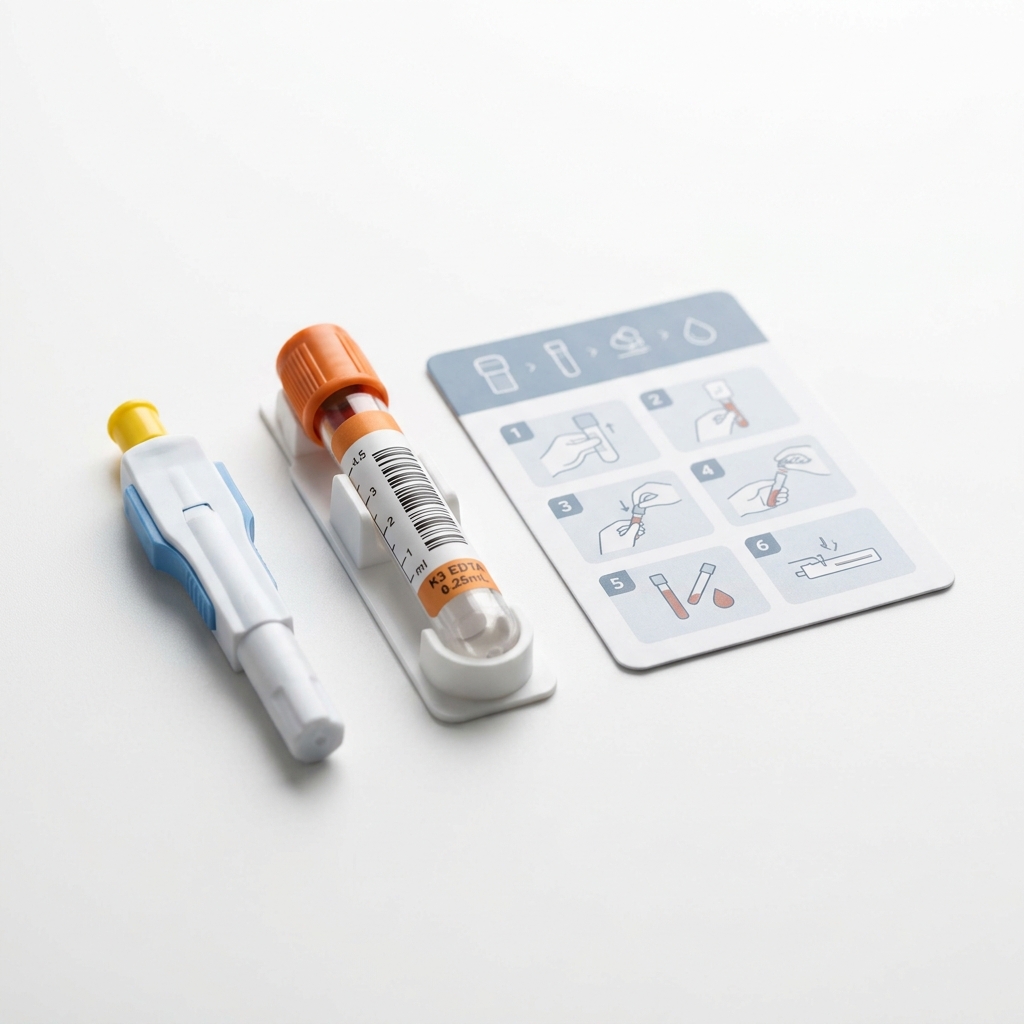
Evaluating Accuracy Across Testing Approaches
Accuracy in biological age testing is not a single metric. It encompasses reproducibility (do you get the same result if tested twice?), validity (does the result predict actual health outcomes?), and actionability (can you do something useful with the information?). Each method performs differently across these three criteria.
Epigenetic Clocks: Precise but Limited in Actionability
Epigenetic clocks are often considered the gold standard in aging research. Studies have shown that second- and third-generation clocks, particularly GrimAge and PhenoAge, can predict mortality and disease risk with notable consistency. GrimAge, for instance, incorporates plasma protein surrogates alongside DNA methylation data, making it one of the more clinically validated tools available.
However, the practical limitations are real. Epigenetic tests require specialized laboratory processing, which adds cost and turnaround time. More critically, the results often lack direct prescriptive value. If your epigenetic age comes back five years older than your chronological age, the test rarely tells you which specific behaviors or biomarkers are driving that gap. For someone looking to take targeted action, this can feel like receiving a warning without instructions. Healthy aging depends on a combination of nutrition, exercise, and preventive care. The difference between chronological and biological age only becomes useful when you can trace it back to modifiable factors.
Telomere Testing: The Weakest Link
Telomere length testing gained significant consumer attention over the past decade, but the scientific community has grown increasingly skeptical of its accuracy as a standalone biological age marker. Telomere length varies considerably between different cell types within the same person, and a single measurement is heavily influenced by factors like recent illness, stress, and even the specific lab technique used. Research on telomere biology confirms that while average telomere shortening correlates with aging at a population level, individual measurements carry a wide margin of error.
Reproducibility is the core problem. Testing the same blood sample in two different labs can yield noticeably different results. For Canadians evaluating biological age testing options, telomere analysis alone does not meet the threshold of reliability needed to guide health decisions. It works best as one data point among many, not as a primary metric.

Why Blood Biomarker Panels Offer the Strongest Practical Value
When accuracy is defined not just as statistical precision but as the ability to guide real health improvements, blood-based biomarker panels consistently outperform other methods for the average consumer. These panels draw on decades of clinical medicine, using markers that physicians already rely on to diagnose and manage chronic disease.
Reproducibility and Clinical Grounding
Blood biomarkers like HbA1c, hsCRP, LDL cholesterol, liver enzymes, and thyroid hormones are measured through standardized laboratory processes that have been refined over decades. The same blood draw processed at an accredited lab in Toronto or Vancouver will produce nearly identical values. This level of reproducibility gives biomarker-based biological age assessments a foundation that newer, more experimental methods still lack.
Crucially, each of these markers has an established clinical reference range. When a comprehensive blood panel reveals elevated inflammatory markers or suboptimal metabolic function, those findings connect directly to well-documented aging mechanisms and treatable conditions. This is where the gap between "interesting data" and "medically actionable insight" becomes most apparent.
Turning Results into Action
The defining advantage of biomarker testing that Ontario residents and other Canadians can access through services like Biomi is the direct line between test results and lifestyle modification. If your biological age assessment identifies elevated fasting glucose and low vitamin D alongside borderline liver enzymes, you have a specific, prioritized list of areas to address. Dietary changes, supplementation, exercise adjustments, and follow-up testing all become targeted rather than generic.
This stands in contrast to epigenetic or telomere results, which may confirm that aging is accelerating without providing a clear map of what to change first. For data-driven individuals who want to reverse biological age through targeted interventions, the biomarker approach delivers the specificity required. Biomi's Peak plan, for example, analyzes sixty biomarkers and generates a biological versus chronological age comparison alongside physician-reviewed guidance, giving users both the diagnosis and the prescription.
What to Look for When Choosing a Test
With dozens of products now available, choosing the best biological age test requires evaluating more than just price. The methodology, the transparency of the algorithm, and the clinical support behind the results all matter.
Key Evaluation Criteria
Start by asking whether the test uses accredited laboratories with standardized procedures. Any reputable provider will disclose which biomarkers indicate biological age in their model and cite published research supporting their algorithm. Tests that rely on proprietary "black box" scoring without published validation should be treated with caution. Peer-reviewed backing is non-negotiable for anyone serious about using results to guide lifestyle changes that lower biological age.
Longitudinal tracking capability is another critical factor. A single snapshot of your biological age has value, but the real power comes from testing repeatedly over time and measuring whether interventions are working. Platforms that offer longitudinal biomarker tracking from home allow users to build a personal health trendline, turning isolated data points into a meaningful health narrative.
Who Benefits Most from Testing
Biological age testing delivers the highest return for people who are willing to act on results. If you plan to test once out of curiosity and never follow up, the investment may not justify the cost, regardless of the method. But for Canadians committed to preventive health, particularly professionals tracking performance, recovery, and long-term resilience, regular testing creates an accountability loop. You measure, you intervene, you retest. That cycle is where biological age data becomes genuinely transformative, and it is why understanding what your biological age score reveals matters beyond the initial number.
Conclusion
Biological age tests are not uniformly accurate, and treating all methods as interchangeable is a mistake. Epigenetic clocks provide valuable research-grade data but limited everyday guidance. Telomere tests remain too inconsistent for individual decision-making. Blood biomarker panels occupy the strongest position for consumers who want reproducible, clinically grounded, and actionable results. The most reliable path forward combines accredited lab work, transparent algorithms, and a commitment to retesting over time so that your biological age becomes something you actively manage, not just a number you receive.
Explore how Biomi's biomarker-based assessments can help you measure and manage your biological age at biomi.ca.
Frequently Asked Questions (FAQs)
How accurate are biological age tests?
Accuracy varies significantly by methodology, with blood biomarker panels offering the highest reproducibility and clinical grounding, while telomere tests carry the widest margins of error.
What biomarkers indicate biological age?
Common markers include HbA1c, hsCRP, LDL and HDL cholesterol, liver enzymes, fasting glucose, thyroid hormones, and vitamin D levels, all of which reflect metabolic, inflammatory, and organ-level aging.
Is biological age testing worth it?
It is worth it for individuals committed to acting on results through targeted lifestyle changes and follow-up testing, but it offers limited value as a one-time curiosity exercise.
How is biological age measured?
Biological age is measured through epigenetic DNA methylation analysis, telomere length assessment, blood biomarker panels, or composite algorithms that combine multiple data sources.
Which biological age test is best in Canada?
Biomarker-based panels that use accredited Canadian laboratories, transparent scoring algorithms, and physician-reviewed results currently offer the most reliable and actionable option for Canadian consumers.
À propos de l'auteur

Senior Health Content Strategist
Specializes in preventive health, biomarker analysis, and longevity science.
Articles connexes
- Biological Age Blood Test: What It Measures and Why It Matters
Curious about your biological age blood test results? Explore key biomarkers, what they reveal, and how to start optimizing your longevity today.
- At-Home Blood Draw for Health Testing in Calgary: How It Works
Discover how at-home blood draw testing works in Calgary, from booking to physician-reviewed results. Book your mobile blood collection today.
- What Is Biomi? Biomarker Testing and Biological Age Explained
Discover what Biomi is and how biomarker tracking reveals your biological age vs chronological age. Start your health journey today.
- Home Blood Draw: What to Expect Before Your Appointment
Booking a home blood test? Learn exactly what to expect before your appointment, from prep tips to physician-reviewed results with Biomi.
- What Is Longevity Testing? How It Works and What to Expect
Curious about longevity testing? Learn how this biomarker blood test works, what to expect, and how it reveals your biological age. Start today.
Lire l'article: Biological Age Blood Test: What It Measures and Why It MattersLire l'article: At-Home Blood Draw for Health Testing in Calgary: How It WorksLire l'article: What Is Biomi? Biomarker Testing and Biological Age ExplainedLire l'article: Home Blood Draw: What to Expect Before Your AppointmentLire l'article: What Is Longevity Testing? How It Works and What to Expect