English
ESR Test Explained: What Your Sed Rate Reveals About Inflammation
Par Dr. Emily Carter

Introduction
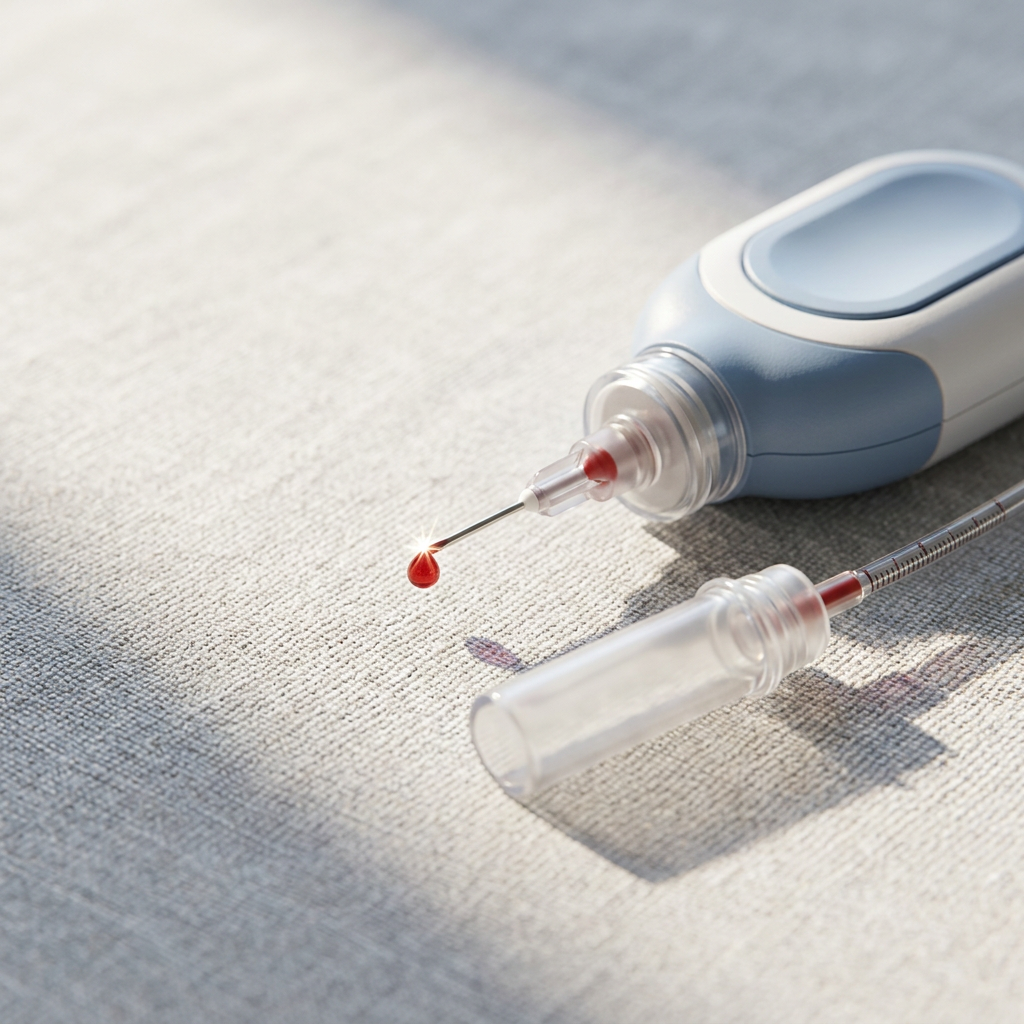
The ESR test is one of the oldest tools in modern medicine, yet it remains one of the most misunderstood numbers on a standard blood panel. Short for erythrocyte sedimentation rate, this simple inflammation blood test measures how quickly red blood cells settle to the bottom of a test tube over one hour. A faster rate suggests the presence of inflammation somewhere in the body, but the reading alone does not pinpoint where or why. For anyone tracking biomarkers as part of a preventive health strategy, understanding your sed rate is essential because it can reveal hidden inflammatory processes long before symptoms surface.
What the ESR Blood Test Measures and Why It Matters
The erythrocyte sedimentation rate quantifies systemic inflammation by observing red blood cell behavior in a controlled environment. When inflammation is present, the liver produces more fibrinogen and other acute-phase proteins. These proteins cause red blood cells to clump together, forming heavier stacks called rouleaux that sink faster through plasma. The distance they fall in one hour, measured in millimeters, becomes your ESR value.
The Science Behind the Sed Rate
Unlike highly specific diagnostic tests, the ESR functions as a broad screening tool. It does not identify a particular disease or infection. Instead, it raises a flag that something inflammatory is happening, prompting further investigation. Physicians have relied on this marker for over a century because of its simplicity and reliability as a general indicator.
Autoimmune conditions: Diseases like rheumatoid arthritis, lupus, and polymyalgia rheumatica frequently produce persistently elevated readings.
Infections: Bacterial infections, including osteomyelitis and endocarditis, often drive significant spikes in sedimentation rate.
Chronic disease monitoring: Clinicians use serial ESR measurements to track disease activity and gauge whether treatments are working.
Cancer screening context: Certain malignancies, particularly lymphoma and multiple myeloma, may present with markedly high values.
Unexplained symptoms: When fatigue, joint pain, or fever lack a clear cause, ESR testing helps narrow the diagnostic path.
Normal ESR Levels by Age and Gender
Interpreting ESR test results requires context because normal ranges shift with age and biological sex. For men under 50, a normal reading generally falls below 15 mm/hr, while men over 50 may see normal values up to 20 mm/hr. Women under 50 typically have a normal range below 20 mm/hr, increasing to around 30 mm/hr after age 50. Pregnancy can also temporarily raise ESR values due to increased fibrinogen production. A common clinical formula estimates the upper limit of normal as age divided by two for men, and age plus ten divided by two for women, though laboratory reference ranges may vary slightly.
Interpreting Your Results and Taking Action
A single ESR reading is a snapshot, not a diagnosis. The real value emerges when you understand what drives elevated numbers, how ESR compares to other inflammatory markers, and how longitudinal tracking transforms raw data into meaningful health trends.
Elevated ESR Causes and What They Signal
When your sed rate comes back higher than expected, the next step is determining what is driving the inflammation. Mildly elevated values (20 to 40 mm/hr) can result from obesity, anemia, or even recent intense exercise. Moderately elevated readings (40 to 100 mm/hr) often correlate with active autoimmune flares, significant infections, or kidney disease.
Extremely high ESR values above 100 mm/hr warrant immediate clinical attention and are commonly associated with serious infections, vasculitis, or malignancy. It is worth noting that certain medications, including oral contraceptives and corticosteroids, can artificially raise or lower results. Lifestyle factors such as chronic stress, poor sleep quality, and high-sugar diets also contribute to low-grade systemic inflammation that may nudge your reading upward over time. This is precisely why preventive testing paired with lifestyle data offers a clearer picture than a single lab visit.
ESR vs CRP: Choosing the Right Inflammation Marker
The ESR and CRP tests are frequently ordered together, but they measure inflammation through different mechanisms. C-reactive protein (CRP) is produced directly by the liver in response to inflammatory cytokines and rises within hours of an inflammatory event. ESR responds more slowly, often taking days to elevate, because it depends on changes in plasma protein composition affecting red blood cell aggregation.
This difference in timing makes CRP more useful for detecting acute inflammation, such as a sudden infection or post-surgical complication. ESR, by contrast, excels at monitoring chronic conditions where inflammation waxes and wanes over weeks or months. In practice, clinicians often use both markers in tandem. A discordant pattern where one marker is elevated, and the other is not, can itself be diagnostically informative, helping to distinguish between types and timelines of inflammatory processes.

Conclusion
The ESR blood test may be a century-old tool, but its relevance to modern preventive health is stronger than ever. By understanding what your sed rate reveals about inflammation, you gain an early-warning system that can prompt lifestyle changes or medical follow-up before a condition progresses. Pairing ESR data with other biomarkers, tracking trends over time, and contextualizing results against your age, sex, and lifestyle creates a far more complete health narrative than any single number can provide. Platforms like Biomi make this kind of longitudinal biomarker tracking accessible through physician-reviewed plans that turn complex lab data into clear, actionable guidance.
Explore Biomi's biomarker tracking plans at biomi.ca to start turning your blood test results into a proactive health strategy.
Frequently Asked Questions (FAQs)
What does ESR measure?
ESR measures the rate at which red blood cells settle in a test tube over one hour, serving as a nonspecific indicator of inflammation in the body.
What is a normal ESR level?
Normal ESR levels generally range from 0 to 15 mm/hr for men under 50 and 0 to 20 mm/hr for women under 50, with values increasing slightly as you age.
What causes elevated ESR?
Elevated ESR can be caused by infections, autoimmune diseases, chronic kidney disease, certain cancers, anemia, obesity, and even lifestyle factors like high stress or poor diet.
What is the difference between ESR and CRP?
ESR reflects changes in plasma proteins that develop over days and is better for monitoring chronic inflammation, while CRP rises within hours and is more sensitive to acute inflammatory events.
Is an ESR test fasting required?
Fasting is generally not required before an ESR blood test, though it is always best to confirm specific preparation instructions with the laboratory or ordering physician.
À propos de l'auteur

Senior Health Content Strategist
Specializes in preventive health, biomarker analysis, and longevity science.
Articles connexes
- Biological Age Blood Test: What It Measures and Why It Matters
Curious about your biological age blood test results? Explore key biomarkers, what they reveal, and how to start optimizing your longevity today.
- At-Home Blood Draw for Health Testing in Calgary: How It Works
Discover how at-home blood draw testing works in Calgary, from booking to physician-reviewed results. Book your mobile blood collection today.
- What Is Biomi? Biomarker Testing and Biological Age Explained
Discover what Biomi is and how biomarker tracking reveals your biological age vs chronological age. Start your health journey today.
- Home Blood Draw: What to Expect Before Your Appointment
Booking a home blood test? Learn exactly what to expect before your appointment, from prep tips to physician-reviewed results with Biomi.
- What Is Longevity Testing? How It Works and What to Expect
Curious about longevity testing? Learn how this biomarker blood test works, what to expect, and how it reveals your biological age. Start today.
Lire l'article: Biological Age Blood Test: What It Measures and Why It MattersLire l'article: At-Home Blood Draw for Health Testing in Calgary: How It WorksLire l'article: What Is Biomi? Biomarker Testing and Biological Age ExplainedLire l'article: Home Blood Draw: What to Expect Before Your AppointmentLire l'article: What Is Longevity Testing? How It Works and What to Expect