English
Why Biological Age Matters More Than Your Birthday

Introduction
The number on your birth certificate tells you how many years have passed since you were born, but it says almost nothing about how well your body is actually functioning. Biological age offers a far more accurate lens into the state of your cells, organs, and metabolic systems, and it can differ from chronological age by a decade or more in either direction. For health-conscious Canadians seeking more than surface-level checkup results, understanding the gap between biological vs chronological age is the first step toward making smarter, data-driven health decisions. Research increasingly shows that biological age is a stronger predictor of disease risk, cognitive decline, and lifespan than the calendar year you were born.
Key Takeaway: Biological age reflects how your body is truly aging at the cellular level, and measuring it through biomarker testing gives you the actionable baseline needed to slow, halt, or even partially reverse the aging process.
Understanding the Two Ages Inside You
Everyone has two ages. One is fixed and incremental, ticking forward with each passing year. The other is dynamic, influenced by genetics, environment, sleep, nutrition, stress, and movement. Grasping the difference between these two numbers is essential for anyone who wants to take a proactive approach to health and longevity.
What Is Chronological Age and Why It Falls Short
Chronological age is simply the number of years since birth. It serves as a universal reference point in medicine, insurance, and public health screening guidelines. However, it treats every 45-year-old as functionally identical, which ignores the enormous variation in how bodies actually age. Here are the core limitations:
One-size-fits-all benchmarks: Screening schedules based on chronological age miss early-onset risks in younger patients and overestimate risk in highly fit older adults.
No internal visibility: Chronological age cannot reflect organ-level performance, hormonal balance, or metabolic efficiency.
Static and unchangeable: Unlike biological age, chronological age offers zero opportunity for intervention or improvement.
Misleading health assumptions: Two people born the same year can have vastly different cardiovascular, cognitive, and immune profiles.
What Is Biological Age and How It Differs
Biological age estimates the functional condition of your body based on measurable internal data. It accounts for how efficiently your systems operate relative to population averages and reflects accumulated wear, repair capacity, and resilience at the cellular level. A peer-reviewed study on aging prediction found that biological age outperforms chronological age in predicting mortality, stroke risk, and cancer onset. This means someone who is 50 by the calendar could have the internal health profile of a 38-year-old, or, conversely, a 62-year-old. The gap between these two numbers is where the real opportunity for understanding your age gap begins.
Measuring and Improving Your Biological Age
Knowing that biological age exists is one thing. Measuring it accurately and acting on the results is where meaningful health transformation happens. The science behind longevity testing has advanced rapidly, giving Canadians practical ways to quantify how their bodies are aging and, critically, what to do about it.
How Biomarker Testing Reveals Your True Age
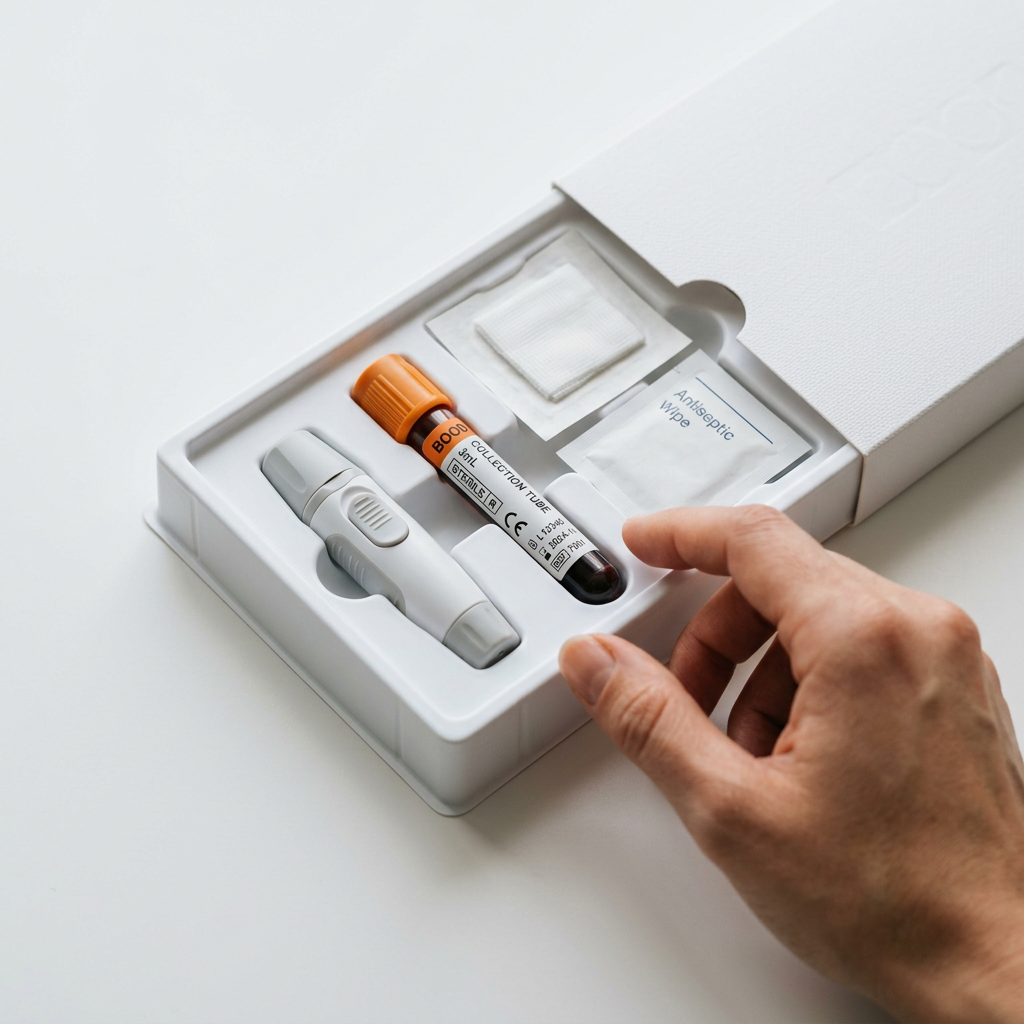
A biological age test works by analyzing a panel of aging biomarkers drawn from blood samples. These markers span metabolic health, inflammation, liver and kidney function, lipid profiles, hormonal balance, and nutrient status. Algorithms then compare your results against age-matched population norms to calculate biological age with a high degree of precision.
The table below highlights the key differences between a standard physical exam and a comprehensive biological age assessment to help you evaluate which approach delivers more actionable data.
Factor | Traditional Physical Exam | Biological Age Testing |
|---|---|---|
Number of biomarkers | 5 to 15 basic markers | 60 or more advanced markers |
Focus | Detecting existing disease | Identifying early risk and optimization potential |
Aging insight | None | Biological vs chronological age comparison |
Personalized guidance | General advice | Data-driven lifestyle recommendations |
Tracking over time | Annual snapshot | Longitudinal dashboard for trend analysis |
The most significant difference is the shift from reactive to proactive. Traditional exams tend to flag problems after they manifest, while biological age testing surfaces subclinical trends early enough to intervene. Services like Biomi make this type of preventive health testing accessible across Canada, with their Peak plan covering over sixty biomarkers and an explicit biological age score comparison.
Lifestyle Factors That Shift the Number
The most encouraging aspect of biological age is that it responds to intervention. Research published on anti-inflammatory lifestyle interventions demonstrates that diet quality, physical activity, and consistent sleep patterns can measurably slow the rate of biological aging. These are not marginal effects. One clinical case series documented an average reversal of 4.6 years in epigenetic biological age after just eight weeks of a methylation-supportive diet and lifestyle protocol.
Nutrient-dense eating patterns rich in leafy greens, omega-3 fatty acids, and polyphenols reduce systemic inflammation, one of the primary drivers of accelerated aging. Regular resistance training preserves muscle mass and insulin sensitivity, both of which decline sharply with age. Sleep quality directly influences longevity biomarkers such as cortisol rhythms, growth hormone output, and cellular repair mechanisms. Chronic stress, poor sleep, and sedentary habits do the opposite, pushing biological age higher regardless of the number on your driver's license.

Conclusion
Your birthday tells the world when you arrived, but your biological age tells you how your body is holding up along the way. The distinction matters because it transforms aging from a passive process into something you can measure, track, and actively influence through targeted lifestyle changes and regular biomarker testing. For Canadians who want to move beyond the limitations of a standard annual checkup, pursuing a biological age test through a service like Biomi provides the precise, data-rich starting point that generic physicals simply cannot offer. Whether your goal is disease prevention, performance optimization, or simply the peace of mind that comes with knowing exactly where you stand, the science is clear: understanding your biological age is the most actionable step you can take toward a longer, healthier life.
Frequently Asked Questions (FAQs)
What is the difference between biological and chronological age?
Chronological age is the number of years since birth, while biological age measures how well your body's cells and organs are functioning relative to population norms, making it a far more accurate indicator of health status.
What biomarkers indicate true biological age?
Key biological age markers include inflammatory markers like CRP, metabolic indicators such as fasting glucose and HbA1c, lipid panels, liver enzymes, hormonal levels, and nutrient status markers like vitamin D and B12.
Can you slow your biological age?
Yes, consistent improvements in diet, exercise, sleep quality, and stress management have been shown in clinical research to measurably slow and even partially reverse biological aging.
How do you measure biological age?
Biological age is measured through comprehensive blood panel analysis, where results from dozens of biomarkers and aging clocks are processed through validated algorithms to estimate the functional age of your body.
Is biological age reversible?
Partial reversal is achievable through sustained lifestyle changes, with studies documenting reductions of several years in epigenetic age within weeks of adopting targeted diet and exercise protocols.
What is the best biological age test in Canada?
The best options analyze sixty or more biomarkers with physician-reviewed results and longitudinal tracking, which is the approach offered by services that specialize in preventive health testing in Canada.
How often should Canadians test their biological age?
Testing every six to twelve months provides enough data to track meaningful trends, evaluate the impact of lifestyle changes, and adjust your health strategy based on objective results.
About the author

Medical Research Content Advisor
Combines medical research and functional medicine expertise to create educational content on health biomarkers, disease prevention, and longevity.
Related articles
- Biological Age Blood Test: What It Measures and Why It Matters
Curious about your biological age blood test results? Explore key biomarkers, what they reveal, and how to start optimizing your longevity today.
- At-Home Blood Draw for Health Testing in Calgary: How It Works
Discover how at-home blood draw testing works in Calgary, from booking to physician-reviewed results. Book your mobile blood collection today.
- What Is Biomi? Biomarker Testing and Biological Age Explained
Discover what Biomi is and how biomarker tracking reveals your biological age vs chronological age. Start your health journey today.
- Home Blood Draw: What to Expect Before Your Appointment
Booking a home blood test? Learn exactly what to expect before your appointment, from prep tips to physician-reviewed results with Biomi.
- What Is Longevity Testing? How It Works and What to Expect
Curious about longevity testing? Learn how this biomarker blood test works, what to expect, and how it reveals your biological age. Start today.
Read article: Biological Age Blood Test: What It Measures and Why It MattersRead article: At-Home Blood Draw for Health Testing in Calgary: How It WorksRead article: What Is Biomi? Biomarker Testing and Biological Age ExplainedRead article: Home Blood Draw: What to Expect Before Your AppointmentRead article: What Is Longevity Testing? How It Works and What to Expect