English
How Biomarker Testing Elevates Corporate Wellness in Canada

Introduction
Corporate wellness programs in Canada have long relied on gym subsidies, mental health hotlines, and annual physicals to support employee health. While well-intentioned, these approaches often lack the granularity needed to drive real outcomes for both the workforce and the bottom line. Biomarker testing introduces a fundamentally different model: one rooted in personalized, measurable health data rather than one-size-fits-all perks. For HR leaders and executives navigating rising absenteeism costs, talent retention pressures, and growing employee expectations around preventive health screening, the shift toward data-driven wellness is no longer optional. The organizations gaining ground are the ones replacing guesswork with science, turning routine employee wellness benefits in Canada into a genuine competitive advantage.
The Business Case for Biomarker-Driven Corporate Wellness
Traditional corporate wellness efforts often struggle with a measurement problem. Employers invest significant budgets into programs that employees may or may not use, with little visibility into whether those investments actually improve health or productivity. Biomarker testing addresses this gap by providing quantifiable health data at the individual level, which can be aggregated anonymously to reveal workforce-wide trends. The result is a corporate wellness program in Canada that delivers accountability alongside care.
Why Reactive Health Management Falls Short
Most employer health benefits solutions in Canada operate on a reactive model. An employee gets sick, visits a doctor, and files a claim. The employer absorbs the cost of the absence, the treatment, and the lost productivity. According to research on workplace health economics, the indirect costs of poor employee health (presenteeism, reduced output, and turnover) often exceed direct medical expenses by a significant margin. Chronic disease prevention testing flips this dynamic by identifying risk factors before they manifest as costly conditions. Here are some of the measurable consequences of staying reactive:
Increased absenteeism: Employees with undetected metabolic or cardiovascular risk factors take more unplanned leave, straining team capacity
Higher benefits claims: Late-stage interventions for conditions like Type 2 diabetes or thyroid dysfunction cost multiples of what early detection costs
Talent attrition: Companies without proactive health offerings lose ground in competitive hiring markets, especially among younger professionals who expect personalized benefits
Presenteeism costs: Employees showing up while fatigued, inflamed, or nutritionally depleted contribute a fraction of their potential output
Measuring ROI Through Performance Health Metrics
One of the strongest arguments for integrating biomarker testing into a corporate wellness strategy is the ability to track results over time. Unlike satisfaction surveys or participation rates, biomarker data show whether employee health is actually improving quarter over quarter. Employers can monitor anonymized, aggregate trends in markers associated with energy, stress resilience, and chronic disease risk, then adjust programming accordingly. This data-driven approach to benefits ROI gives leadership the confidence to allocate budget where it produces measurable returns rather than relying on anecdotal feedback.
What Biomarkers Reveal and How They Apply to Workplace Health
Understanding what a biomarker actually measures is essential for HR professionals evaluating this type of benefit. In workplace health contexts, the most relevant biomarkers map directly to the conditions that drive absenteeism, reduce cognitive function, and erode long-term employee wellbeing. Selecting the right panel of markers ensures the data collected is actionable rather than merely interesting.
Key Biomarkers for Workforce Optimization
Not all biomarkers carry equal relevance in a corporate setting. The most impactful panels focus on markers tied to energy regulation, metabolic health, hormonal balance, and cardiovascular risk. For instance, fasting glucose, HbA1c, and insulin levels paint a clear picture of metabolic health and diabetes risk. Thyroid markers like TSH and free T4 directly influence energy, mood, and cognitive sharpness, all of which affect workplace performance daily.
Lipid panels (LDL, HDL, triglycerides) and inflammatory markers such as hsCRP help identify cardiovascular risk long before symptoms appear. Vitamin D, ferritin, and B12 are often overlooked in standard checkups but play outsized roles in fatigue, immune function, and mental clarity. A comprehensive health biomarker test covering these areas gives each employee a personalized baseline from which to improve. When employees understand their own numbers, they make better decisions about nutrition, sleep, exercise, and when to seek medical attention.
The Difference Between Wellness Screening and Medical Diagnostics
A common concern among benefits administrators is whether biomarker testing crosses the line into medical territory. Preventive health screening through biomarker panels is designed to identify trends and risk factors, not to diagnose disease. The distinction matters both practically and legally. Wellness screenings empower employees with easy-to-understand results and actionable recommendations, while flagging cases that warrant follow-up with a physician. This positions the employer as a facilitator of proactive health rather than a provider of medical care, which simplifies regulatory considerations under Canadian privacy and employment standards.

How Employer Biomarker Programs Work in Practice
Implementation is where many wellness initiatives stall. Even the most compelling health benefit loses value if enrollment is complex, testing is inconvenient, or results are difficult to interpret. The best health testing solutions for Canadian employers remove these friction points entirely, making it easy for both HR teams and employees to participate.
Program Setup and Employee Experience
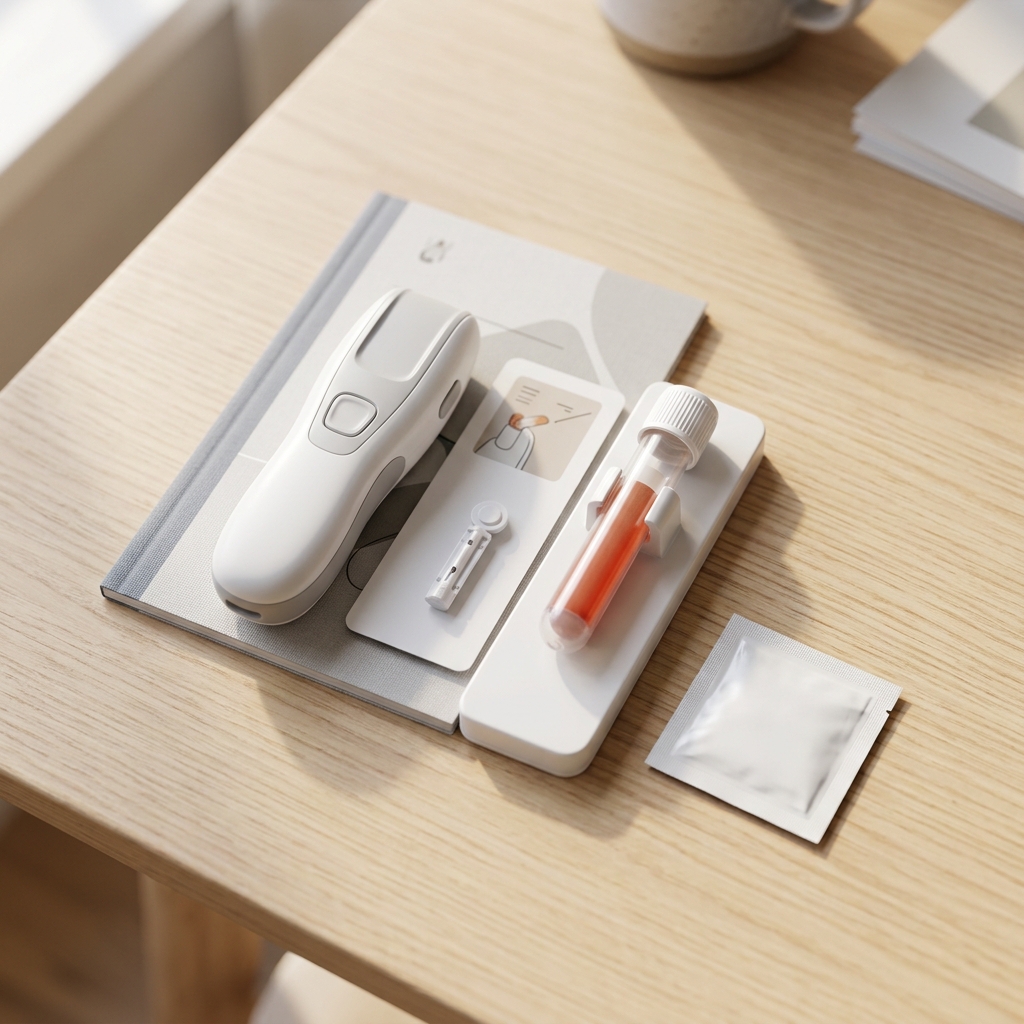
A well-designed corporate biomarker program typically follows a straightforward workflow. The employer selects a testing tier and funding model, employees receive at-home blood collection kits or visit a local lab, and results are delivered through a secure digital dashboard within days. Biomi's employer program, for example, offers flexible funding options that let organizations subsidize all or part of the testing cost, with administrative tools that simplify enrollment and tracking without requiring HR to manage complex logistics.
From the employee side, the experience feels personal rather than corporate. They receive their own health scores, see how their biological age compares to their chronological age, and get tailored lifestyle guidance based on their specific results. This level of personalization is what separates biomarker testing from generic wellness questionnaires or biometric screenings that produce little follow-through.
Choosing the Right Provider for Your Organization
When comparing biomarker testing services, HR teams should evaluate several factors beyond price. The breadth of the biomarker panel matters: a test covering 20 markers will miss critical insights that a 60-plus marker panel catches. Physician review of results ensures clinical credibility, while a user-friendly dashboard encourages employee engagement over time. Longitudinal tracking is especially valuable because a single snapshot tells you where an employee stands today, but repeated testing reveals whether interventions are working. Organizations evaluating their options can compare available plans to find the right fit for their workforce size and budget. The goal is to select a partner that makes preventive health testing accessible, credible, and sustainable as an ongoing benefit rather than a one-time initiative.
Conclusion
Biomarker testing represents a meaningful evolution in how Canadian employers approach workforce health. By replacing generic wellness perks with personalized, science-backed health data, organizations gain visibility into the actual health trajectory of their teams while giving employees something genuinely valuable: the knowledge and tools to take control of their own wellbeing. For HR professionals and corporate leaders evaluating their next move in employee benefits, the path forward is clear. Invest in outcomes, not optics, and build a wellness strategy that produces data you can act on.
Explore how Biomi can help your organization implement a biomarker-driven wellness program that delivers real results for your team.
Frequently Asked Questions (FAQs)
How can employers improve employee wellness?
Employers can improve employee wellness by moving beyond generic perks and offering personalized, data-driven health benefits, such as biomarker personalised which give each team member actionable insights into their own health.
How does corporate biomarker testing work in Canada?
Corporate biomarker testing in Canada typically involves the employer selecting a testing plan and funding model, after which employees complete blood collection at home or at a lab and receive physician-reviewed results through a secure online dashboard.
What biomarkers should employees track for health optimization?
Employees focused on health optimization should track biomarkers related to metabolic function (glucose, HbA1c), cardiovascular risk (lipid panel, hsCRP), hormonal balance (thyroid, testosterone, cortisol), and nutritional status (vitamin D, B12, ferritin).
What is the difference between wellness and medical testing?
Wellness testing identifies health trends and risk factors to guide proactive lifestyle changes, while medical testing is conducted by a physician to diagnose specific diseases or conditions based on clinical symptoms.
How does continuous health tracking improve employee performance outcomes?
Continuous health tracking through repeated biomarker testing allows employees to monitor how lifestyle changes affect key health metrics over time, leading to sustained improvements in energy, cognitive function, and resilience that directly support workplace performance.
About the author

Health & Wellness Editorial Team
Related articles
- Biological Age Blood Test: What It Measures and Why It Matters
Curious about your biological age blood test results? Explore key biomarkers, what they reveal, and how to start optimizing your longevity today.
- At-Home Blood Draw for Health Testing in Calgary: How It Works
Discover how at-home blood draw testing works in Calgary, from booking to physician-reviewed results. Book your mobile blood collection today.
- What Is Biomi? Biomarker Testing and Biological Age Explained
Discover what Biomi is and how biomarker tracking reveals your biological age vs chronological age. Start your health journey today.
- Home Blood Draw: What to Expect Before Your Appointment
Booking a home blood test? Learn exactly what to expect before your appointment, from prep tips to physician-reviewed results with Biomi.
- What Is Longevity Testing? How It Works and What to Expect
Curious about longevity testing? Learn how this biomarker blood test works, what to expect, and how it reveals your biological age. Start today.
Read article: Biological Age Blood Test: What It Measures and Why It MattersRead article: At-Home Blood Draw for Health Testing in Calgary: How It WorksRead article: What Is Biomi? Biomarker Testing and Biological Age ExplainedRead article: Home Blood Draw: What to Expect Before Your AppointmentRead article: What Is Longevity Testing? How It Works and What to Expect