English
What Is Longevity Testing? How It Works and What to Expect
Quick Answer
Longevity testing is a preventive health assessment that measures dozens of blood biomarkers to estimate how well your body is aging internally. It compares your biological age to your chronological age, flags early risk signals across cardiovascular, hormonal, thyroid, and metabolic systems, and translates the results into personalized guidance you can act on.
Introduction
Longevity testing turns a routine blood sample into a detailed map of how your body is functioning right now, well before symptoms would ever surface in a standard checkup. Instead of waiting for a diagnosis, you get a data-driven view of your internal health across systems that quietly shape lifespan and healthspan. The process typically involves a comprehensive biomarker analysis, a physician review, and a secure dashboard where results are translated into a single readable health score. That score reflects trends across inflammation, hormones, lipids, glucose control, and organ function, not just isolated numbers on a lab report. For health-conscious Canadians, this shift represents a move from reactive medicine to something far more precise.
Key Takeaways:
Longevity testing analyzes a broad panel of biomarkers to reveal how your body is aging internally, not just your age on paper.
The process combines at-home or clinic blood collection, lab-grade analysis, and physician-reviewed results delivered through a digital dashboard.
Ongoing testing turns single data points into longitudinal trends that guide lifestyle, nutrition, and clinical decisions over time.
What Longevity Testing Actually Measures
Longevity testing goes beyond the handful of markers found on a standard annual physical. It looks at the biochemistry underneath everyday symptoms, capturing signals from the cardiovascular, endocrine, metabolic, and immune systems in a single coordinated panel. The goal is not to diagnose disease but to identify early drift in the systems most closely tied to healthy aging. This evidence-driven longevity medicine approach emphasizes deep personalization and early detection.
Core Biomarker Categories
A comprehensive longevity panel usually spans several biological systems, each contributing a different piece of the aging puzzle. Understanding what biomarkers represent helps clarify why the panel is structured this way.
Cardiovascular markers: Advanced lipid panels, ApoB, and inflammatory indicators like hs-CRP reveal heart and vascular risk earlier than cholesterol alone.
Metabolic markers: Fasting insulin, HbA1c, and glucose expose insulin resistance years before it becomes prediabetes.
Hormonal markers: Testosterone, estradiol, cortisol, and DHEA-S track the hormonal shifts that influence energy, mood, and recovery.
Thyroid markers: TSH, free T3, and free T4 flag subclinical thyroid dysfunction that standard tests often miss.
Nutrient and organ markers: Vitamin D, ferritin, liver enzymes, and kidney function fill in the picture of daily physiological load.
Biological Age Versus Chronological Age
One of the most useful outputs of longevity testing is a calculated biological age, an estimate of how old your body appears based on your biomarker patterns rather than your birthday. Someone who is 42 chronologically might present with the biomarker profile of a 36-year-old or a 51-year-old, and that difference is actionable. The comparison of biological age versus chronological age gives readers a concrete benchmark to improve against over time.

How the Testing Process Works From Start to Finish
The journey from ordering a kit to reviewing results is designed to be as low-friction as possible while preserving lab-grade accuracy. Most programs follow a similar arc: onboarding, sample collection, laboratory analysis, physician review, and dashboard delivery. Biomi structures the experience so that each step feeds cleanly into the next.
Choosing a Plan and Collection Method
Selecting the right tier depends on how deep a picture you want and whether you plan to retest regularly. Below is a side-by-side view of how a typical longevity offering compares to a traditional annual physical, using Biomi's plan structure as a reference point.
Feature | Traditional Checkup | Biomi Peak | Biomi Ultra |
|---|---|---|---|
Biomarkers analyzed | 10 to 15 | 60 | 65+ |
Biological age score | No | Yes | Yes |
Hormonal panel depth | Basic | Comprehensive | Advanced |
At-home collection option | Rare | Available | Available |
Longitudinal dashboard | No | Yes | Yes |
The main takeaway is depth and continuity. A traditional visit captures a narrow slice of health once a year, while a longevity plan builds an ongoing dataset that becomes more informative with each retest.
Sample Collection and Laboratory Analysis
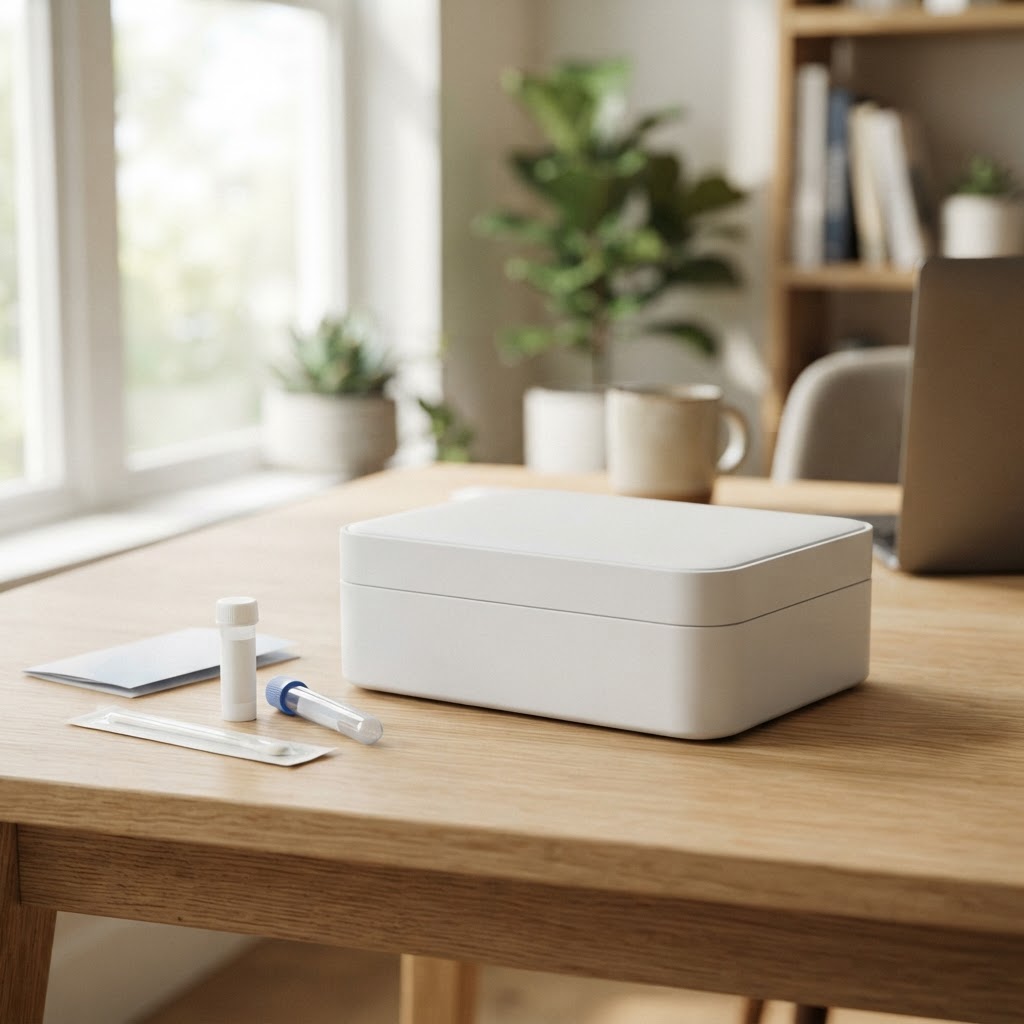
Blood collection happens either at a partner clinic or through a mobile phlebotomist who visits your home at a scheduled time. The at-home blood collection process follows the same sterile protocols as an in-clinic draw, with samples couriered directly to accredited Canadian labs for analysis. Turnaround is typically five to ten business days, after which a physician reviews the report, flags any values outside optimal ranges, and adds clinical context. This preclinical prevention framework is what distinguishes longevity testing from a standard lab requisition.

What the Results Reveal and How to Use Them
Raw lab values are only useful when they are contextualized against optimal ranges, personal history, and trends over time. A well-designed longevity dashboard does exactly that, translating numbers into scores, categories, and recommendations you can act on this week.
Reading Your Health Dashboard
Results are usually organized by system, with a composite score for overall health and sub-scores for cardiovascular, metabolic, hormonal, and inflammatory categories. Each marker is placed on a spectrum from optimal to at-risk rather than the binary normal or abnormal you see on standard reports. Peer-reviewed research on biomarkers of aging supports this ranged approach, since many markers show risk drift long before they cross a clinical threshold. Reviewing a comprehensive longevity blood panel in this format makes patterns visible that isolated results would hide.
Turning Data Into a Personalized Plan
Physician notes typically pair each flagged marker with a specific intervention: nutritional adjustments, targeted supplementation, exercise modifications, sleep improvements, or referrals for further clinical workup. Repeat testing every six to twelve months shows whether those changes are moving the needle, and platforms like Biomi make that longitudinal view the centerpiece of the experience. Understanding how biological age is tested also helps you evaluate which lifestyle changes are producing measurable results versus which are not.
Conclusion
Longevity testing gives you something a routine physical cannot: a detailed, repeatable measurement of how your body is aging on the inside. By combining a broad biomarker panel, physician oversight, and a dashboard that tracks change over time, it converts abstract health goals into specific, measurable targets. The value compounds with each test, because trends reveal far more than any single snapshot. For Canadians who want to act on their health before symptoms force the conversation, this kind of preventive screening is one of the most concrete steps available today. Services like Biomi make that level of insight accessible without requiring a specialist referral or a hospital visit.
Curious where your biological age stands today? Explore Biomi's longevity plans to see how a full biomarker panel and physician-reviewed dashboard can help you take proactive control of your healthspan.
Frequently Asked Questions (FAQs)
What is longevity testing?
Longevity testing is a preventive health screening that analyzes a broad panel of blood biomarkers to assess how well your body is aging across cardiovascular, metabolic, hormonal, and thyroid systems.
Can blood tests reveal my biological age?
Yes, biomarker patterns in a blood sample can be used to calculate a biological age estimate that reflects internal physiological aging rather than years lived.
What biomarkers should I test for longevity?
A useful longevity panel covers advanced lipids, inflammation markers, fasting insulin and HbA1c, sex hormones, cortisol, thyroid function, vitamin D, and key organ markers for liver and kidney health.
Is at-home blood collection safe for biomarker testing?
At-home collection performed by a trained mobile phlebotomist follows the same sterile protocols as a clinic draw, and samples are couriered directly to accredited labs for analysis.
How often should longevity testing be repeated?
Most people benefit from retesting every six to twelve months so that biomarker trends can reveal whether lifestyle or clinical interventions are actually working.
Is longevity testing worth the cost?
For people who want early risk detection and personalized guidance, longevity testing offers depth and continuity that a standard annual physical cannot match, making it a worthwhile investment for proactive health management.
About the Author
Dr. Ethan Brooks is a Medical Research Content Advisor who combines medical research and functional medicine expertise to create educational content on health biomarkers, disease prevention, and longevity. His work focuses on translating complex clinical science into practical guidance for readers seeking evidence-based approaches to healthspan and preventive care.
About the author

Medical Research Content Advisor
Combines medical research and functional medicine expertise to create educational content on health biomarkers, disease prevention, and longevity.
Related articles
- Biological Age Blood Test: What It Measures and Why It Matters
Curious about your biological age blood test results? Explore key biomarkers, what they reveal, and how to start optimizing your longevity today.
- At-Home Blood Draw for Health Testing in Calgary: How It Works
Discover how at-home blood draw testing works in Calgary, from booking to physician-reviewed results. Book your mobile blood collection today.
- What Is Biomi? Biomarker Testing and Biological Age Explained
Discover what Biomi is and how biomarker tracking reveals your biological age vs chronological age. Start your health journey today.
- Home Blood Draw: What to Expect Before Your Appointment
Booking a home blood test? Learn exactly what to expect before your appointment, from prep tips to physician-reviewed results with Biomi.
- Cheapest Blood Tests in Canada: Where to Get Tested
Looking for a cheap blood test in Canada? Compare private blood testing costs by city and find the best value for your health budget.
Read article: Biological Age Blood Test: What It Measures and Why It MattersRead article: At-Home Blood Draw for Health Testing in Calgary: How It WorksRead article: What Is Biomi? Biomarker Testing and Biological Age ExplainedRead article: Home Blood Draw: What to Expect Before Your AppointmentRead article: Cheapest Blood Tests in Canada: Where to Get Tested