English
DNA and Blood Biomarker Testing in Canada: What to Know
Introduction
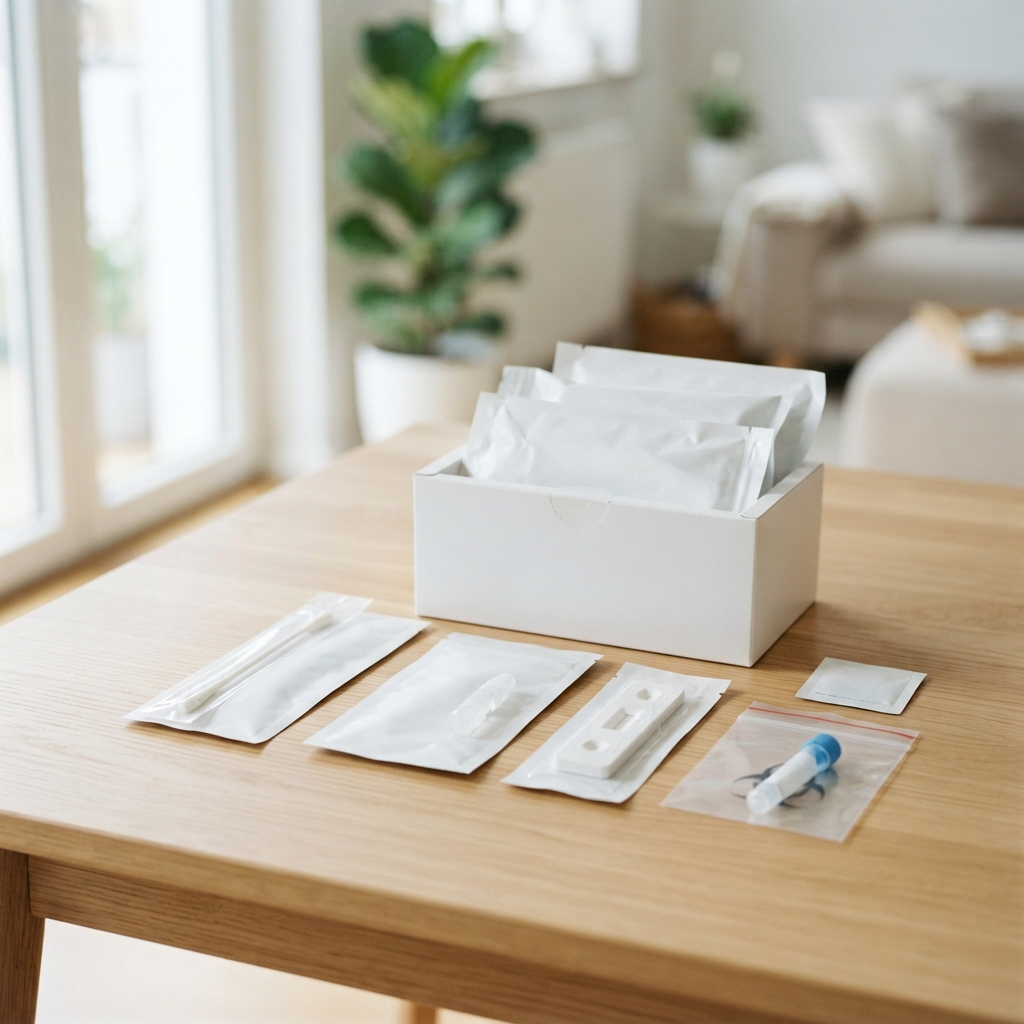
DNA and blood biomarker testing gives Canadians a direct look at how their body is actually functioning, catching risk signals years before symptoms surface. Together, these two data layers reveal genetic predispositions alongside real-time physiological markers, offering a level of insight standard checkups simply cannot match. For readers weighing whether advanced testing is worth the investment, the short answer is that it depends on how proactive you want to be with your long-term health. This guide breaks down what each test measures, how they compare to traditional physicals, and what Canadian consumers should expect from the process. The category has matured quickly in 2026, and the pricing, accuracy, and clinical utility now warrant a serious look.
Key Takeaways:
DNA testing identifies inherited risks while blood biomarker testing shows how your body is performing right now.
Combined testing offers a fuller picture of biological age, hormonal health, and disease risk than annual physicals alone.
Canadian at-home testing services deliver lab-grade accuracy with physician-reviewed results and secure digital dashboards.
What DNA and Blood Biomarker Testing Actually Measures
DNA testing and blood biomarker testing are often grouped together, but they answer different questions about your health. Understanding what each one measures is the first step in deciding whether one, the other, or both belong in your preventive routine.
The Data Each Test Provides
DNA biomarker testing Canada services analyze specific gene variants tied to metabolism, cardiovascular risk, hormone processing, and long-term disease susceptibility. Blood biomarker testing, by contrast, measures the compounds circulating in your body right now, such as inflammatory markers, lipid profiles, thyroid hormones, glucose regulation, and micronutrient status. Reading both together helps identify not just what could go wrong, but what is already trending in that direction. A clear explanation of what these panels include is available through this biomarker testing overview from Cleveland Clinic.
Genetic predispositions: Inherited variants influencing conditions like heart disease, insulin resistance, and hormonal imbalances.
Cardiovascular markers: LDL, HDL, ApoB, and inflammatory indicators like hsCRP that flag early cardiac risk.
Hormonal panels: Testosterone, cortisol, thyroid hormones, and sex hormone-binding globulin for hormonal health tracking.
Metabolic health: Fasting glucose, insulin, HbA1c, and liver enzymes that reveal how your body handles fuel.
Biological age indicators: Composite markers used to estimate cellular aging versus your calendar age.
How It Differs From Standard Blood Work
A typical annual physical in Canada includes a limited panel focused on flagging acute disease, usually about a dozen markers. Advanced health biomarkers go much deeper, often covering 50 to 65 measurements across cardiovascular, metabolic, hormonal, and inflammatory categories. This depth allows for pattern recognition rather than pass-fail thresholds, which is where the real preventive value comes from. Readers curious about the practical differences can explore this biomarker testing versus annual physicals comparison for a side-by-side look.

Comparing Options and Understanding Accuracy
The Canadian market now includes at-home kits, clinic-based panels, and hybrid services that combine both. Choosing between them comes down to the depth of data you want, the frequency of testing, and how much physician oversight is included.
Comparing Testing Options in Canada
The table below compares the main categories of preventive testing available to Canadian consumers in 2026, focused on scope, accuracy, and typical use case.
Test Type | Markers Covered | Sample Collection | Physician Review | Best For |
|---|---|---|---|---|
Standard Annual Physical | 10-15 basic markers | In-clinic | Yes | Baseline disease screening |
At-home Blood Panel | 30-65 markers | At-home or mobile phlebotomy | Usually included | Preventive optimization |
DNA Testing | Variable gene variants | Saliva or cheek swab | Optional | Long-term risk profiling |
Combined DNA + Biomarker | 65+ markers plus genetic data | Home or clinic | Yes | Longevity and full-picture planning |
The clearest tradeoff is depth versus simplicity. Standard physicals cost less and remain useful for baseline screening, but they miss the granularity needed for longevity testing services. Combined DNA and biomarker panels cost more upfront, yet they consolidate information that would otherwise require multiple specialist visits. Biomi is one Canadian provider that bundles this approach into a single subscription, with plans starting at a core snapshot and scaling to a 65-plus marker advanced health optimization panel.
How Accurate Is At-Home Testing?
Modern at-home blood test Canada services use the same certified laboratories as hospital-ordered tests, and independent research supports their reliability. A review of blood biomarker profiling published by the National Institutes of Health confirms that when collection protocols are followed, at-home samples produce clinically valid results. The variable to watch is sample handling: services that use mobile phlebotomists or provide clear self-collection instructions consistently outperform mail-in fingerprick kits for complex panels. For a deeper look at reliability considerations, this guide on biological age test accuracy covers what affects result precision.

Making Preventive Testing Part of Your Routine
Testing is only useful if the results lead to action. The best preventive health screening Canada programs pair lab data with a clear framework for interpreting trends and adjusting habits over time.
Turning Results Into Action
A single test provides a snapshot, but repeat testing every 6 to 12 months turns that snapshot into a trend line. Trends reveal whether lifestyle changes, supplements, or medications are actually moving the needle on cardiovascular risk, metabolic health, or inflammation. This is where a structured data-driven health optimization approach matters more than any single number. According to MedlinePlus genetic testing guidance, informed decision-making from test results can eliminate unnecessary screening and direct preventive measures where they will have the most impact.
Corporate and Individual Applications
Canadian employers are increasingly offering biomarker panels as part of benefits packages, recognizing that early detection reduces long-term absenteeism and health claims. For individuals, the appeal is more personal: understanding your longevity biomarkers guide gives you a defensible baseline before making lifestyle or medication decisions. Whether accessed through corporate wellness blood testing or personally funded, the underlying value is the same: replacing guesswork with measured evidence.
Conclusion
DNA and blood biomarker testing has moved from a niche interest into a practical tool for Canadians who want more than a yearly checkup can deliver. The combination of genetic risk data and real-time blood markers gives you a full-picture view of biological age, hormonal balance, and disease trajectory, all backed by physician review. Choosing the right provider comes down to marker depth, sample collection convenience, and how well the platform helps you track changes over time. Services like Biomi have made this level of testing accessible without the friction of coordinating multiple clinics or specialists. For anyone serious about preventive health in 2026, the question is no longer whether to test, but how often and how deeply.
Curious how your internal health actually measures up? Explore Biomi's biomarker testing plans to see which panel fits your preventive health goals.
Frequently Asked Questions (FAQs)
How does DNA biomarker testing work?
DNA biomarker testing analyzes a saliva or cheek swab sample in a certified lab to identify gene variants linked to health conditions, metabolic traits, and long-term disease risk.
What biomarkers should I track for longevity?
Core longevity markers include ApoB, hsCRP, HbA1c, fasting insulin, testosterone, thyroid hormones, and inflammatory indicators, all of which reflect cardiovascular, metabolic, and hormonal health.
Can at-home blood tests provide accurate results?
Yes, at-home blood tests processed by certified laboratories deliver clinically valid results comparable to hospital-ordered panels when collection instructions are followed correctly.
What is the difference between chronological and biological age?
Chronological age counts the years since birth, while biological age reflects how your cells and organ systems are actually functioning based on biomarker data.
Is preventive blood testing covered by corporate benefits?
Many Canadian employers now include biomarker testing in wellness benefits, and services like Biomi offer flexible funding models that integrate with existing health spending accounts.
How often should I get a comprehensive blood panel?
Most preventive health providers recommend testing every 6 to 12 months to establish meaningful trends and measure the impact of any lifestyle or treatment changes.
How does Biomi compare to a traditional health checkup?
Biomi covers 60 to 65-plus biomarkers with physician-reviewed results and longitudinal tracking, going well beyond the 10 to 15 basic markers included in a standard annual physical.
About the author

Senior Health Content Strategist
Specializes in preventive health, biomarker analysis, and longevity science.
Related articles
- Biological Age Blood Test: What It Measures and Why It Matters
Curious about your biological age blood test results? Explore key biomarkers, what they reveal, and how to start optimizing your longevity today.
- At-Home Blood Draw for Health Testing in Calgary: How It Works
Discover how at-home blood draw testing works in Calgary, from booking to physician-reviewed results. Book your mobile blood collection today.
- What Is Biomi? Biomarker Testing and Biological Age Explained
Discover what Biomi is and how biomarker tracking reveals your biological age vs chronological age. Start your health journey today.
- Home Blood Draw: What to Expect Before Your Appointment
Booking a home blood test? Learn exactly what to expect before your appointment, from prep tips to physician-reviewed results with Biomi.
- What Is Longevity Testing? How It Works and What to Expect
Curious about longevity testing? Learn how this biomarker blood test works, what to expect, and how it reveals your biological age. Start today.
Read article: Biological Age Blood Test: What It Measures and Why It MattersRead article: At-Home Blood Draw for Health Testing in Calgary: How It WorksRead article: What Is Biomi? Biomarker Testing and Biological Age ExplainedRead article: Home Blood Draw: What to Expect Before Your AppointmentRead article: What Is Longevity Testing? How It Works and What to Expect