English
What Is Health Optimization and How Do You Start?

Introduction
Health optimization is the practice of using measurable, science-backed data to improve how your body functions, not just to avoid disease, but to perform at your highest potential. Unlike conventional healthcare, which typically responds to symptoms after they appear, health optimization focuses on proactive monitoring and personalized adjustments that enhance energy, longevity, and overall quality of life. For health-conscious professionals across Canada, this approach fills a critical gap between annual physicals and the kind of granular, data-driven wellness that actually moves the needle. The challenge is that most people hear the term without ever receiving a clear framework for putting it into practice.
Key Takeaway: Health optimization means using biomarker data and personalized health insights to proactively improve your body's performance and longevity, rather than waiting for illness to dictate your next step.
Understanding Health Optimization and Why It Matters
The term "health optimization" gets used loosely in wellness circles, but its clinical roots are far more specific. At its core, it refers to a systematic process of measuring internal biomarkers, interpreting those results against optimal (not just "normal") reference ranges, and then making targeted lifestyle or medical interventions based on what the data reveals. This is a fundamentally different model from the reactive approach most healthcare systems default to, where intervention only begins once a problem has already surfaced.
How Health Optimization Differs from Generic Wellness
Generic wellness programs tend to offer broad, one-size-fits-all advice: sleep more, eat vegetables, exercise regularly. While none of that is wrong, it lacks the precision needed to address individual biochemistry. Health optimization, by contrast, starts with your unique data. Here is what separates the two approaches:
Specificity: Optimization targets your individual biomarkers rather than applying population-level guidelines that may not reflect your body's needs.
Measurability: Every recommendation ties back to a quantifiable metric, such as biomarker levels for inflammation, hormones, or metabolic function, so progress is trackable.
Proactive orientation: Instead of waiting for symptoms, you identify trends and intervene before they become clinical problems.
Longitudinal tracking: A single blood test is a snapshot; optimization requires repeated measurements over time to reveal patterns and validate changes.
The Science Behind Proactive Health Monitoring
Research increasingly supports the value of preventive health testing as a tool for reducing chronic disease risk and improving long-term outcomes. A growing body of evidence shows that digital health interventions that incorporate biomarker data can meaningfully shift health behaviors when paired with personalized feedback. The logic is straightforward: the earlier you detect a deviation from optimal function, the more options you have for correction, and the less invasive those corrections tend to be.
This is especially relevant in Canada, where preventive care versus reactive screening remains an ongoing conversation in public health policy. For professionals managing demanding schedules, catching a nutrient deficiency or a hormonal imbalance early can mean the difference between sustained performance and a slow, unexplained decline.
How to Start Your Health Optimization Journey
Knowing the concept is one thing. Translating it into a repeatable, practical process is where most people stall. The good news is that getting started does not require a medical degree or an elaborate biohacking setup. It requires a clear baseline, the right testing, and a framework for acting on what you learn.
Step One: Establish Your Baseline with Biomarker Testing
The foundation of any optimization effort is a comprehensive blood panel that goes beyond what a standard annual physical covers. Standard checkups often test only a handful of markers, typically a complete blood count, basic metabolic panel, and perhaps cholesterol. A proper wellness testing baseline demands a broader view, including thyroid function, sex hormones, inflammatory markers, vitamin and mineral levels, and metabolic indicators like HbA1c and fasting insulin.
Understanding the difference between optimal and normal biomarker ranges is critical here. A result that falls within a lab's "normal" range may still be far from optimal for your age, sex, and goals. For example, a vitamin D level of 35 nmol/L is technically within range in many Canadian labs, but functional medicine practitioners generally recommend levels above 100 nmol/L for immune function and mood regulation. Important note: interpreting biomarker results requires expertise, and working with a qualified practitioner ensures you avoid over-testing or misinterpreting results in ways that could lead to unnecessary interventions.
Comprehensive testing platforms like Biomi address this gap by interpreting results against optimal thresholds and presenting them in a health dashboard format that makes complex data accessible. For example, a platform might track sixty biomarkers, including heart, thyroid, and hormonal markers, and compare biological age to chronological age, giving users a complete picture that evolves with each retest.
Step Two: Interpret, Act, and Track Over Time
Raw data without interpretation is just noise. Once you have your baseline results, the next phase involves three distinct micro-steps that turn numbers into lasting health improvements.
Interpret your results. The first priority is identifying which markers fall outside optimal ranges and understanding what those deviations mean in context. A slightly elevated CRP level, for instance, may signal low-grade systemic inflammation that warrants dietary changes, while a suboptimal TSH reading could point to early thyroid dysfunction. A quantified health approach ensures that every data point connects to a meaningful clinical picture rather than existing as an isolated number.
Build your action plan. Once the interpretation is clear, the next step is mapping each flagged marker to the lifestyle levers that influence it: nutrition, sleep, exercise, stress management, or supplementation. The key is specificity. Rather than "eat better," an action plan might specify increasing omega-3 intake to address elevated inflammatory markers or adjusting sleep timing to normalize a disrupted cortisol pattern. According to recent public health research, individuals who engage in structured self-monitoring with targeted feedback show significantly better adherence to health-promoting behaviors than those who rely on periodic checkups alone.
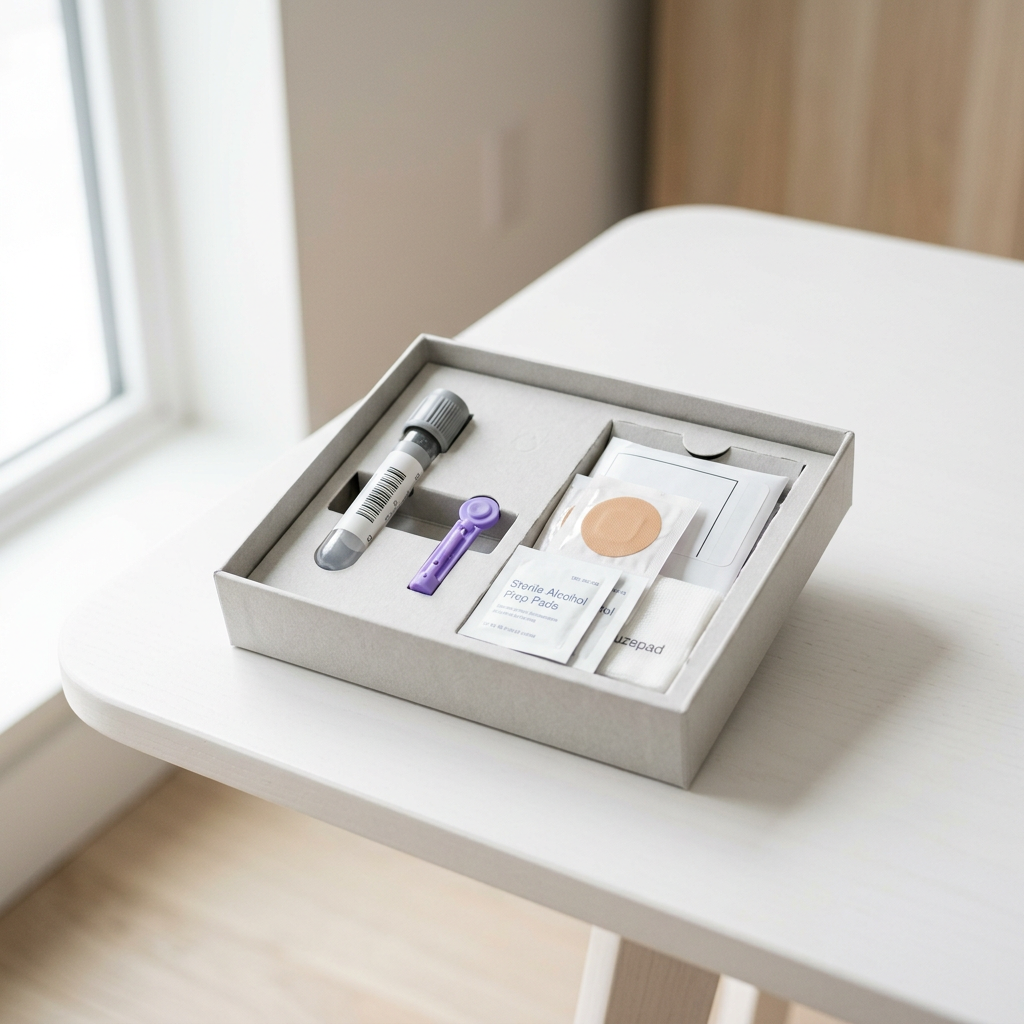
Establish your retest schedule. The real power of this process emerges over time. Retesting at regular intervals, typically every three to six months, lets you see whether your interventions are working. Did inflammation markers drop after adjusting your diet? Did cortisol patterns normalize after changing your sleep schedule? This feedback loop is what separates health optimization from guesswork. For professionals in Toronto, Vancouver, and other Canadian cities, services that offer at-home blood collection and physician-reviewed results through a health analytics platform remove the logistical barriers that often prevent consistent follow-through.

Conclusion
Health optimization is not a trend or a luxury. It is a structured, evidence-based approach to understanding your body at a deeper level and making informed decisions that compound over time. Starting requires just three things: a comprehensive biomarker baseline, a framework for interpreting results against optimal ranges, and the discipline to retest and adjust. Whether the goal is managing high-performance demands or simply moving beyond vague wellness advice, the shift from reactive to proactive health management is one of the most impactful investments available. The data already exists inside your body; the only question is whether you choose to read it.
Frequently Asked Questions (FAQs)
What is health optimization, and how does it work?
Health optimization is the process of using biomarker data and personalized interventions to maximize your body's performance and longevity, rather than simply treating illness after it appears.
What is the difference between wellness and health optimization?
Wellness typically refers to broad lifestyle habits like exercise and nutrition, while health optimization uses individualized biomarker data to make precise, measurable improvements tailored to your unique biology.
How can I optimize my health with blood tests?
Comprehensive blood panels reveal markers like hormones, inflammation, and nutrient levels that guide targeted changes to diet, sleep, exercise, and supplementation for measurable improvement.
What biomarkers should I be monitoring?
Key biomarkers include vitamin D (immune and mood function), HbA1c and fasting insulin (metabolic health), thyroid hormones like TSH and free T3 (energy and metabolism), inflammatory markers like CRP (chronic disease risk), and sex hormones (performance and recovery), with prioritization depending on individual goals such as athletic performance or stress management.
How do I improve my health score?
Improving your health score requires identifying which biomarkers fall outside optimal ranges and then making targeted lifestyle adjustments, retesting every three to six months to confirm progress.
How often should I retest my biomarkers?
Most practitioners recommend retesting every three to six months, as this interval is long enough to see meaningful changes from lifestyle interventions but frequent enough to catch emerging trends before they become clinical problems.
Is health optimization available in Canada?
Yes, health optimization services, including comprehensive biomarker testing, at-home blood collection, and physician-reviewed results, are available across Canada through platforms that specialize in longevity optimization and preventive health.
About the author

Medical Research Content Advisor
Combines medical research and functional medicine expertise to create educational content on health biomarkers, disease prevention, and longevity.
Related articles
- What Is Biomarker Testing? A Complete Guide to Longevity Markers
Discover what biomarker testing is and how it reveals key longevity markers for better health decisions. Start your health journey with Biomi today.
- How Accurate Are Biological Age Tests? What the Science Says
Explore the science behind biological age testing accuracy and see how physician-reviewed biomarker panels compare. Learn more now.
- Comprehensive Blood Panel Longevity Testing in Ontario: What's Included
Explore Ontario's top biomarker tracking options with a physician-reviewed comprehensive blood panel. See what advanced health biomarkers reveal.
- Private Blood Testing in Montreal for Longevity Markers
Explore private medical blood work in Montreal designed to track longevity biomarkers without doctor referrals. Start optimizing your health now.
- CRP Test Explained: What Your Results Really Mean
Get clarity on your CRP test results, from normal ranges to next steps, and start tracking your health with confidence.
Read article: What Is Biomarker Testing? A Complete Guide to Longevity MarkersRead article: How Accurate Are Biological Age Tests? What the Science SaysRead article: Comprehensive Blood Panel Longevity Testing in Ontario: What's IncludedRead article: Private Blood Testing in Montreal for Longevity MarkersRead article: CRP Test Explained: What Your Results Really Mean