English
What Is Biomarker Testing? A Guide for Canadians
Quick Answer
Biomarker testing is a blood-based analysis that measures specific biological indicators, such as cholesterol, hormones, thyroid function, and inflammation, to reveal how your body is actually performing beneath the surface. For Canadians, it offers a data-rich view of cardiovascular, metabolic, and hormonal health that goes far beyond a standard annual physical.
Introduction
Most Canadians only learn something is wrong with their health after symptoms appear, which is often years after the underlying problem began. Biomarker testing changes that timeline by measuring dozens of biological signals in a single blood draw, turning invisible internal processes into numbers you can act on. Unlike a routine checkup that flags disease once it has taken hold, a comprehensive biomarker panel maps subtle shifts in metabolism, hormones, and inflammation while there is still time to intervene. The approach has moved from research labs into everyday preventive care, driven by at-home collection, physician-reviewed reports, and secure digital dashboards. What was once reserved for elite athletes and executive physicals is now accessible to any Canadian who wants a clearer read on their long-term trajectory.
Key Takeaways:
Biomarker testing measures specific molecules in your blood to reveal how your organs, hormones, and metabolism are functioning right now.
A comprehensive blood panel Canada residents can access privately covers cardiovascular, metabolic, hormonal, and inflammatory markers in one draw.
Proactive testing detects risk years before symptoms appear, giving you time to adjust lifestyle, nutrition, or medical care.
Understanding Biomarker Testing in Plain Language
A biomarker is any measurable indicator of a biological process, ranging from a hormone level to an enzyme concentration to a marker of oxidative stress. Biomarker testing Canada residents can now access at home uses standard venous or capillary blood samples processed in accredited labs, then translates the raw values into a personalized report. The goal is not to diagnose disease in isolation but to build a longitudinal picture of how your body is trending over time.
What a Biomarker Actually Measures
Biomarkers are objective measures of what is happening inside cells, tissues, and organ systems, and understanding what biomarkers are is the first step toward using them effectively. According to the National Institute of Environmental Health Sciences, biomarkers function as objective signals of normal biological processes, disease progression, or responses to intervention. In a preventive health Canada context, the most useful categories include:
Cardiovascular: ApoB, LDL particle number, Lp(a), and hs-CRP quantify long-term heart disease risk beyond standard cholesterol.
Metabolic: Fasting insulin, HbA1c, and triglyceride-to-HDL ratio flag insulin resistance years before diabetes develops.
Hormonal: Testosterone, estradiol, cortisol, and DHEA-S reveal endocrine balance affecting energy, mood, and recovery.
Thyroid: TSH, free T3, free T4, and reverse T3 provide a full picture of thyroid function blood test results.
Inflammatory: hs-CRP, homocysteine, and ferritin signal chronic inflammation linked to aging and disease.
How a Biomarker Blood Test Differs From a Standard Physical
A typical annual physical in Canada covers a limited panel: basic lipids, glucose, and a complete blood count. A modern biomarker blood test expands that scope to include hormonal health markers, advanced cardiovascular biomarker analysis, and inflammatory indicators that are rarely ordered without a specific clinical reason. This matters because many meaningful shifts, such as rising fasting insulin or subclinical thyroid dysfunction, are invisible to the narrower screening most Canadians receive through their family doctor.

Comparing Your Testing Options in Canada
Canadians have three practical paths to blood-based health data: the publicly funded annual physical, one-off private lab requisitions, and comprehensive private panels with physician review. Each serves a different purpose, and choosing between them depends on how much depth you need and how proactive you want to be.
Private Lab Testing vs Annual Physical Checkups
The table below compares the three most common approaches Canadians use to check on their health, focusing on scope, cost, and how actionable the results are. As frameworks for clinical biomarker use have matured, the gap between minimal and comprehensive testing has widened significantly.
Feature | Provincial Annual Physical | One-Off Private Lab | Comprehensive Biomarker Panel |
|---|---|---|---|
Biomarkers Included | 10-15 basic | Varies by requisition | 60-65+ advanced |
Hormonal & Thyroid Depth | Minimal | Limited | Full panel |
Physician Review | Family doctor | Rarely included | Included |
At-Home Collection | No | Sometimes | Yes |
Longitudinal Dashboard | No | No | Yes |
Cost to Patient | Covered | $50-$300 per test | $300-$800 per panel |
The clearest takeaway is that provincial coverage catches obvious disease but rarely offers the depth needed for personalized health optimization. For readers exploring essential health biomarkers tied to longevity, a comprehensive panel with a dashboard becomes the more logical choice.
How At-Home Collection Works
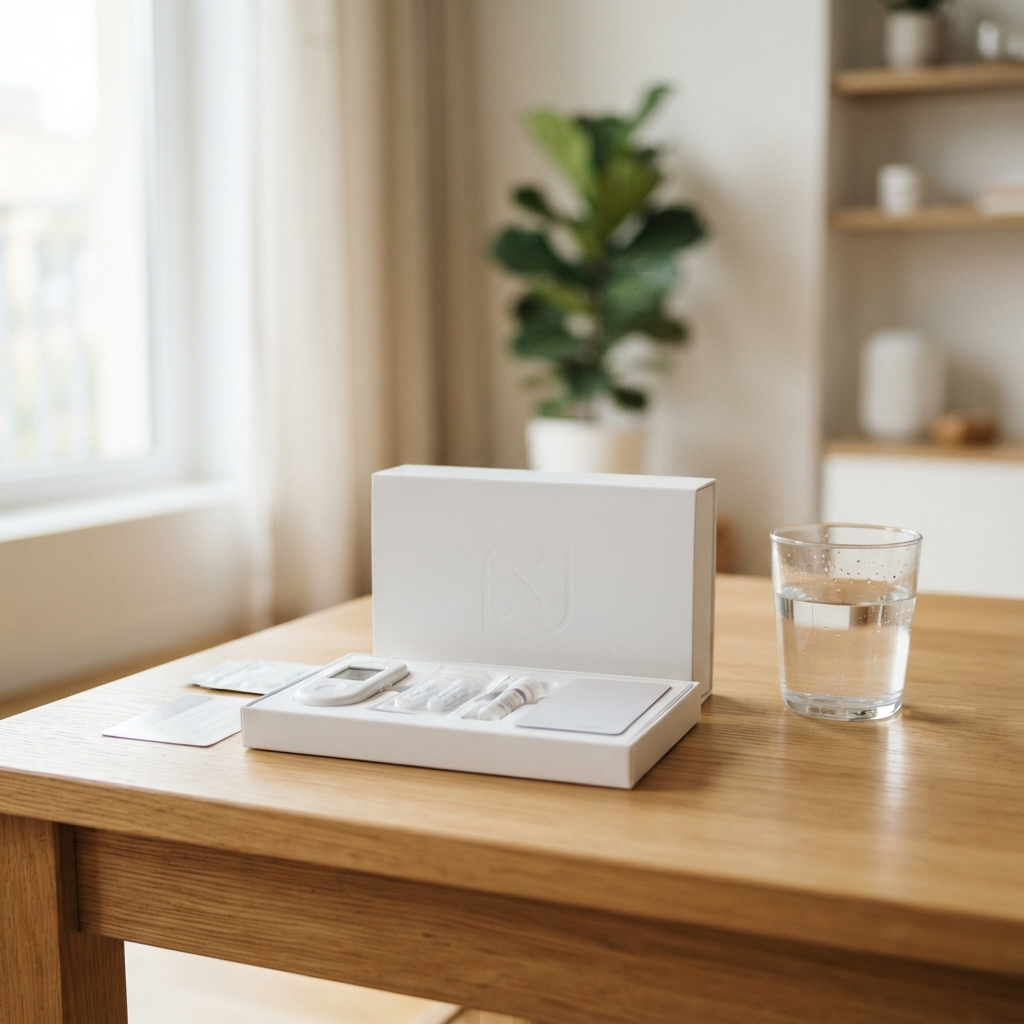
Most Canadian providers now offer two collection options: a mobile phlebotomist who visits your home, or a scheduled visit to a partner lab. Once your sample reaches an accredited facility, results typically return within five to ten business days through a secure portal. Services like Biomi layer physician review on top of the raw numbers, so you receive both a clinical interpretation and lifestyle guidance rather than a spreadsheet of values you must decode alone.
Why Proactive Monitoring Matters
Waiting for symptoms is a losing strategy for most chronic conditions, because by the time you feel unwell, the underlying dysfunction has often been building for years. Proactive wellness monitoring reframes health as something you steer rather than something you react to.
Catching Risk Before Symptoms Appear
Research on biomarkers as early warning indicators shows that shifts in markers like ApoB, fasting insulin, and hs-CRP can precede clinical disease by a decade or more. That runway is where lifestyle changes, targeted supplementation, or medical intervention deliver the highest return. A rising ApoB in your late thirties, for example, is far easier to address than a cardiac event in your fifties, and reviewing cardiac biomarkers annually makes that early signal visible.
Biological Age and the Longevity Angle
A biological vs chronological age test uses composite scoring across multiple biomarkers to estimate how your body is aging relative to the calendar. Two people born the same year can have biological ages that differ by a decade, driven by inflammation, metabolic health, and hormonal balance. Tracking inflammation biomarkers alongside metabolic biomarkers over time gives you a concrete score to improve, rather than a vague sense that you should live healthier.

Conclusion
Biomarker testing gives Canadians a practical way to move from reactive care to informed prevention, using objective data instead of guesswork. A comprehensive panel captures cardiovascular, metabolic, hormonal, and inflammatory signals that a standard physical will miss, and reviewing those markers annually turns health into a trend line you can influence. Providers like Biomi combine at-home collection with physician-reviewed results, making advanced testing accessible without navigating specialist referrals or private clinics. The value is not in a single snapshot but in the pattern that emerges over years of consistent measurement. If longevity, energy, and long-term resilience matter to you, the data you need to protect them already exists in a single blood draw.
Curious where your health actually stands today? Explore a personalized panel with Biomi and turn your blood work into a clear plan for the next decade.
Frequently Asked Questions (FAQs)
What are the benefits of biomarker testing?
Biomarker testing reveals hidden risks and imbalances years before symptoms appear, giving you the data needed to adjust lifestyle, nutrition, or medical care while intervention is most effective.
How often should I do biomarker testing?
Most healthy adults benefit from testing once a year, though anyone actively optimizing hormones, metabolism, or cardiovascular risk may repeat key panels every three to six months.
Can biomarker testing predict health issues?
Biomarker testing does not predict disease with certainty, but it identifies elevated risk patterns, such as rising ApoB or insulin resistance, that strongly correlate with future health outcomes.
Is at-home blood collection safe in Canada?
Yes, at-home collection performed by trained mobile phlebotomists follows the same accredited lab standards as clinic-based draws and is fully safe when arranged through a licensed provider.
Is preventive health testing covered in Canada?
Provincial plans cover a limited set of screening tests ordered by your family doctor, but comprehensive private panels with advanced markers and physician-reviewed reports are typically paid out of pocket or through employer benefits.
Is personalized health testing worth it?
For anyone serious about long-term health, personalized testing delivers actionable insight that generic checkups cannot, making it a strong return on investment for prevention-minded Canadians.
How do I get started with biomarker testing Ontario providers offer?
You can book a comprehensive panel online with a private provider, choose at-home or in-clinic collection, and receive physician-reviewed results through a secure dashboard within one to two weeks.
About the Author
Dr. Ethan Brooks is a Medical Research Content Advisor who combines expertise in medical research and functional medicine to create clear, evidence-based content on health biomarkers, disease prevention, and longevity. His work focuses on translating complex clinical science into practical guidance readers can apply to their own preventive health decisions.
About the author

Medical Research Content Advisor
Combines medical research and functional medicine expertise to create educational content on health biomarkers, disease prevention, and longevity.
Related articles
- Biological Age Blood Test: What It Measures and Why It Matters
Curious about your biological age blood test results? Explore key biomarkers, what they reveal, and how to start optimizing your longevity today.
- At-Home Blood Draw for Health Testing in Calgary: How It Works
Discover how at-home blood draw testing works in Calgary, from booking to physician-reviewed results. Book your mobile blood collection today.
- What Is Biomi? Biomarker Testing and Biological Age Explained
Discover what Biomi is and how biomarker tracking reveals your biological age vs chronological age. Start your health journey today.
- Home Blood Draw: What to Expect Before Your Appointment
Booking a home blood test? Learn exactly what to expect before your appointment, from prep tips to physician-reviewed results with Biomi.
- What Is Longevity Testing? How It Works and What to Expect
Curious about longevity testing? Learn how this biomarker blood test works, what to expect, and how it reveals your biological age. Start today.
Read article: Biological Age Blood Test: What It Measures and Why It MattersRead article: At-Home Blood Draw for Health Testing in Calgary: How It WorksRead article: What Is Biomi? Biomarker Testing and Biological Age ExplainedRead article: Home Blood Draw: What to Expect Before Your AppointmentRead article: What Is Longevity Testing? How It Works and What to Expect