English
At-Home Blood Draw for Health Testing in Calgary: How It Works
Par Dr. Ethan Brooks

Quick Answer
An at-home blood draw in Calgary works by scheduling a certified mobile phlebotomist to visit your home, collect a blood sample using clinical-grade equipment, and transport it to an accredited lab for analysis. Within days, physician-reviewed results appear on a secure online dashboard, giving you actionable insight into dozens of biomarkers without a single clinic visit.
Introduction
At-home blood draw Calgary services have quietly reshaped how residents approach preventive care, replacing waiting rooms with a thirty-minute appointment in the living room. The process is designed for people who want lab-grade data on their cardiovascular, hormonal, and metabolic health without carving half a day out of their schedule. Mobile phlebotomists follow the same collection protocols used in hospital settings, and samples are handled under strict chain-of-custody rules before reaching accredited Alberta laboratories. Results arrive digitally, often with a physician's interpretation attached, so users understand not just the numbers but what to do next. For Calgary professionals and families, this shift turns bloodwork from a chore into a data point they actually review.
Key Takeaways:
At-home blood draws in Calgary use the same clinical standards and accredited labs as in-clinic testing.
The full process typically takes 20 to 30 minutes at home, with results delivered digitally within days.
Comprehensive biomarker panels reveal hormonal, cardiovascular, and metabolic patterns that routine checkups often miss.
How Mobile Blood Collection in Calgary Actually Works
Mobile blood collection Calgary services follow a structured sequence that begins the moment you book an appointment online and ends when your physician-reviewed results appear on a secure dashboard. Understanding each stage helps demystify what happens between the needle and the number on your screen.
The Booking and Preparation Stage
Once you select a biomarker panel and appointment window, you receive preparation instructions tailored to the tests ordered. Fasting requirements, hydration guidance, and medication timing are all communicated ahead of time so the sample reflects an accurate baseline. Following the at-home blood draw process closely on the morning of your visit removes most of the variables that can skew results.
Fasting window: Most comprehensive panels require 8 to 12 hours of fasting before collection.
Hydration: Drinking water beforehand improves vein visibility and shortens the draw itself.
Medication notes: Flag prescriptions or supplements that may influence hormone or lipid readings.
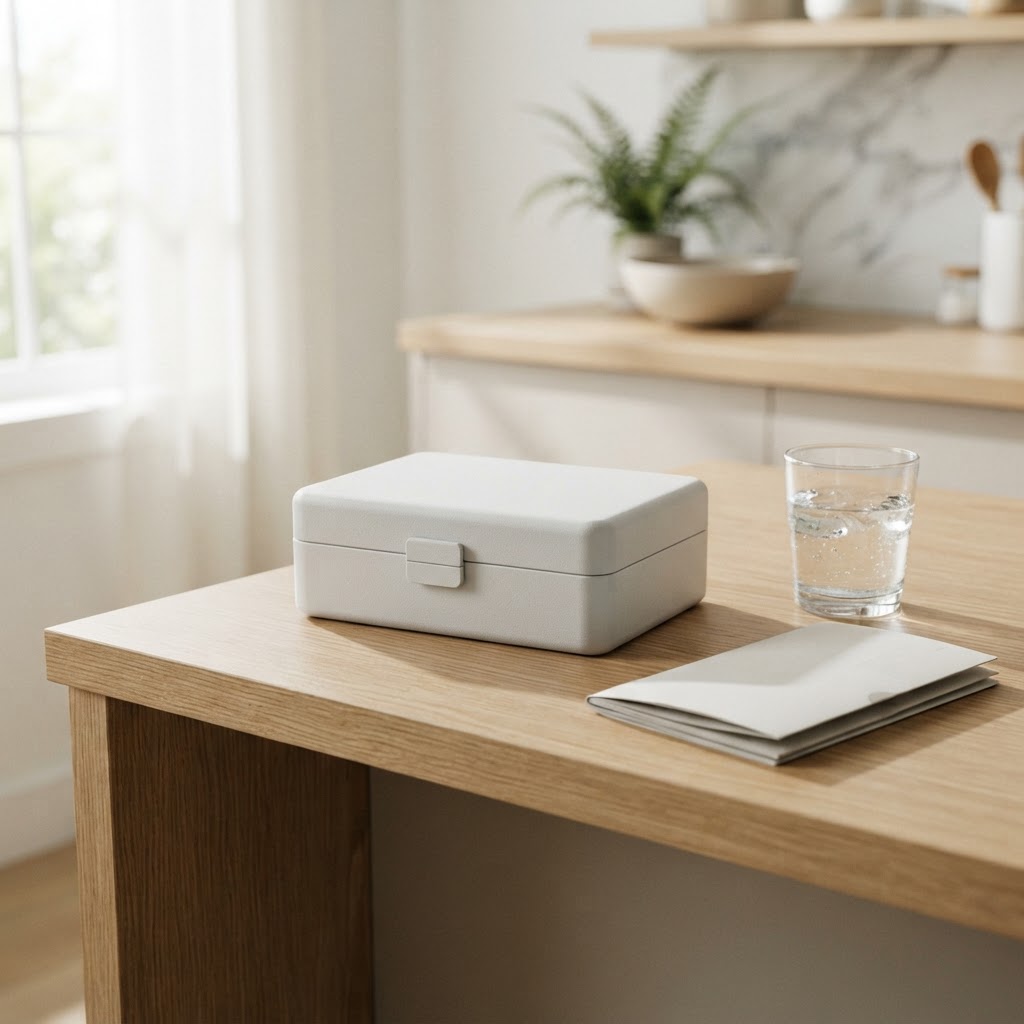
Location prep: Choose a clean, well-lit surface such as a kitchen table or desk for the phlebotomist to set up.
Rest and stress: Avoid strenuous exercise the night before to prevent inflammation markers from spiking.
Inside the At-Home Visit
A certified phlebotomist arrives with a sealed collection kit, verifies your identification, and walks through the procedure before drawing. The draw itself takes only a few minutes, followed by careful labeling, temperature-controlled packaging, and transport to an accredited Alberta lab. Sample integrity is preserved through internationally recognized protocols outlined in WHO phlebotomy best practices, which govern everything from tube inversion to transport timing. If you want a granular breakdown of what to expect during visit, most providers publish a step-by-step overview before your appointment.
Comparing At-Home Testing to Traditional Clinic Visits
The decision between mobile collection and a walk-in lab often comes down to time, comfort, and the depth of insight you want from a single appointment. Both routes rely on the same accredited laboratories, so the differences show up in logistics, panel breadth, and how results are delivered.
Private Blood Testing Calgary: Side-by-Side Comparison
The table below compares private blood testing Calgary options across the factors that matter most when choosing a provider. It highlights where mobile services provide meaningful advantages and where clinics still hold their ground.
Factor | At-Home Mobile Draw | Traditional Clinic Visit |
|---|---|---|
Appointment length | 20 to 30 minutes at home | 60 to 120 minutes including travel and wait |
Biomarker breadth | 60 to 65+ markers in a single visit | Typically limited to physician-ordered panels |
Result delivery | Digital dashboard with physician review | Fax or portal, often without interpretation |
Scheduling flexibility | Evenings and weekends available | Weekday business hours |
Cost model | Flat-fee packages or employer-funded | Covered tests only; extras billed separately |
For most working professionals in Calgary, the time savings and interpretive layer tip the balance toward mobile services, especially when the goal is proactive monitoring rather than diagnosing a specific complaint. Companies like Biomi package these advantages into fixed tiers, which removes the guesswork around what a comprehensive panel should cost. Additional context on at-home bloodwork accuracy helps clarify how mobile results compare to those from a hospital lab.
Biomarker Panels and What They Reveal
Biomarker testing Calgary providers typically offer tiered panels, ranging from foundational metabolic and lipid screens to advanced hormonal and inflammation profiles. A basic panel might cover glucose, cholesterol, and thyroid function, while premium tiers add cortisol rhythms, sex hormones, ferritin, homocysteine, and apolipoprotein B. Reviewing blood testing fundamentals helps first-time users understand what each category of marker actually measures. The higher tiers are particularly useful for tracking recovery, sleep quality, and long-term cardiovascular risk over successive draws.

Conclusion
Preventive health screening Calgary services have matured to the point where lab-grade insight no longer requires a clinic waiting room, and the operational details behind at-home collection are straightforward once you see them mapped out. From booking and preparation through the visit itself, the process is designed to minimize friction while preserving the scientific rigor that makes bloodwork meaningful. Reviewing the how at-home bloodwork works overview before your first appointment removes the last of the unknowns. For anyone weighing whether mobile testing fits their routine, the answer usually depends on how much value they place on time, breadth of markers, and physician interpretation. Providers such as Biomi have built their offering around exactly these priorities for Calgary residents.
Ready to take a proactive look at your health data? Book your at-home blood draw with Biomi and get physician-reviewed results delivered straight to your secure dashboard.
Frequently Asked Questions (FAQs)
How does at-home blood collection work in Calgary?
A certified mobile phlebotomist visits your home at a scheduled time, collects the sample using clinical-grade equipment, and delivers it to an accredited Alberta laboratory for analysis.
Why should I choose at-home blood testing over a clinic?
At-home testing saves travel and wait time, offers broader biomarker panels in a single draw, and typically includes physician-reviewed interpretation that clinic visits rarely provide.
Is private biomarker testing covered by health benefits?
Many private biomarker panels are eligible for reimbursement through health spending accounts or corporate wellness benefits, though coverage varies by employer and plan.
Are mobile blood draw services available for employees in Calgary?
Yes, several providers offer turnkey mobile programs for Calgary employers, including on-site draws or funded at-home appointments as part of workplace wellness benefits.
Is my health data secure on the online dashboard?
Reputable providers protect health data through encrypted storage, Canadian privacy compliance, and access controls that keep results visible only to you and your assigned physician.
How often should I get a comprehensive blood panel?
Most preventive health specialists recommend a comprehensive panel every 6 to 12 months to establish trends and catch shifts in biomarkers before symptoms appear.
Are physician-reviewed results included with home collection?
Premium at-home services in Calgary typically include physician-reviewed results, translating raw lab values into personalized recommendations and follow-up guidance.
About the Author
Dr. Ethan Brooks is a Medical Research Content Advisor who combines clinical research with functional medicine expertise to create evidence-based educational content. His work focuses on health biomarkers, disease prevention, and longevity, helping readers understand how modern testing translates into actionable health decisions.
À propos de l'auteur

Medical Research Content Advisor
Combines medical research and functional medicine expertise to create educational content on health biomarkers, disease prevention, and longevity.
Articles connexes
- Biological Age Blood Test: What It Measures and Why It Matters
Curious about your biological age blood test results? Explore key biomarkers, what they reveal, and how to start optimizing your longevity today.
- What Is Biomi? Biomarker Testing and Biological Age Explained
Discover what Biomi is and how biomarker tracking reveals your biological age vs chronological age. Start your health journey today.
- Home Blood Draw: What to Expect Before Your Appointment
Booking a home blood test? Learn exactly what to expect before your appointment, from prep tips to physician-reviewed results with Biomi.
- What Is Longevity Testing? How It Works and What to Expect
Curious about longevity testing? Learn how this biomarker blood test works, what to expect, and how it reveals your biological age. Start today.
- Cheapest Blood Tests in Canada: Where to Get Tested
Looking for a cheap blood test in Canada? Compare private blood testing costs by city and find the best value for your health budget.
Lire l'article: Biological Age Blood Test: What It Measures and Why It MattersLire l'article: What Is Biomi? Biomarker Testing and Biological Age ExplainedLire l'article: Home Blood Draw: What to Expect Before Your AppointmentLire l'article: What Is Longevity Testing? How It Works and What to ExpectLire l'article: Cheapest Blood Tests in Canada: Where to Get Tested