English
Biological Age Blood Test: Know Your True Age
Par Dr. Emily Carter
Quick Answer
A biological age blood test analyzes specific biomarkers, including inflammation, metabolic, and hormonal markers, to estimate how old your body functions internally compared to your birth date. The result gives you an evidence-based snapshot of your health trajectory and highlights where lifestyle changes could meaningfully extend your healthspan.
Introduction
Your chronological age is a fixed number, but the age your cells, organs, and systems reflect can tell a very different story. A biological age test uses blood-based markers to quantify that difference, producing a score that reflects the cumulative impact of diet, sleep, stress, and genetics on your physiology. For Canadians who want objective data rather than wellness guesswork, this type of testing has become a practical entry point into preventive care. It sits between a routine annual physical and specialist diagnostics, offering measurable insight without requiring symptoms to appear first. The science behind it draws on decades of aging research and peer-reviewed biomarker panels validated in clinical settings.
Key Takeaways:
A biological age test measures internal biomarkers to estimate how well your body is aging compared to your birthdate.
Results are actionable, meaning lifestyle changes in nutrition, sleep, exercise, and stress can meaningfully shift your score.
Accuracy depends on the panel size, laboratory quality, and physician interpretation behind the report.
How a Biological Age Blood Test Works
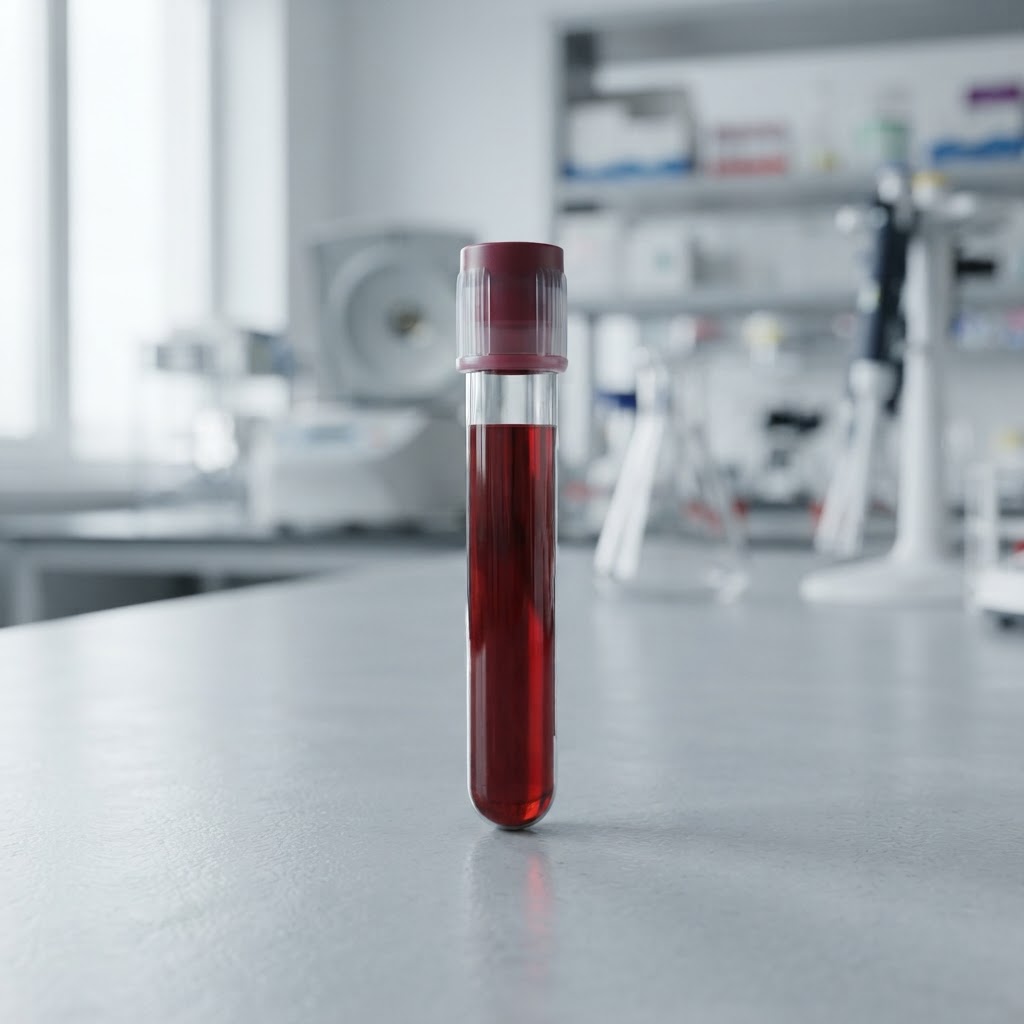
A biological age test translates raw lab data into a single, interpretable number by measuring how your internal systems are functioning relative to established population baselines. The process combines a standard blood draw with algorithmic analysis of multiple biomarkers linked to aging pathways, then contextualizes the result against reference ranges for your demographic.
The Testing Process From Draw to Report
Most Canadian providers now offer a streamlined workflow that removes the friction of traditional lab visits. The cellular-level measurement behind these tests requires a small blood sample and validated laboratory analysis, but the patient experience is straightforward.
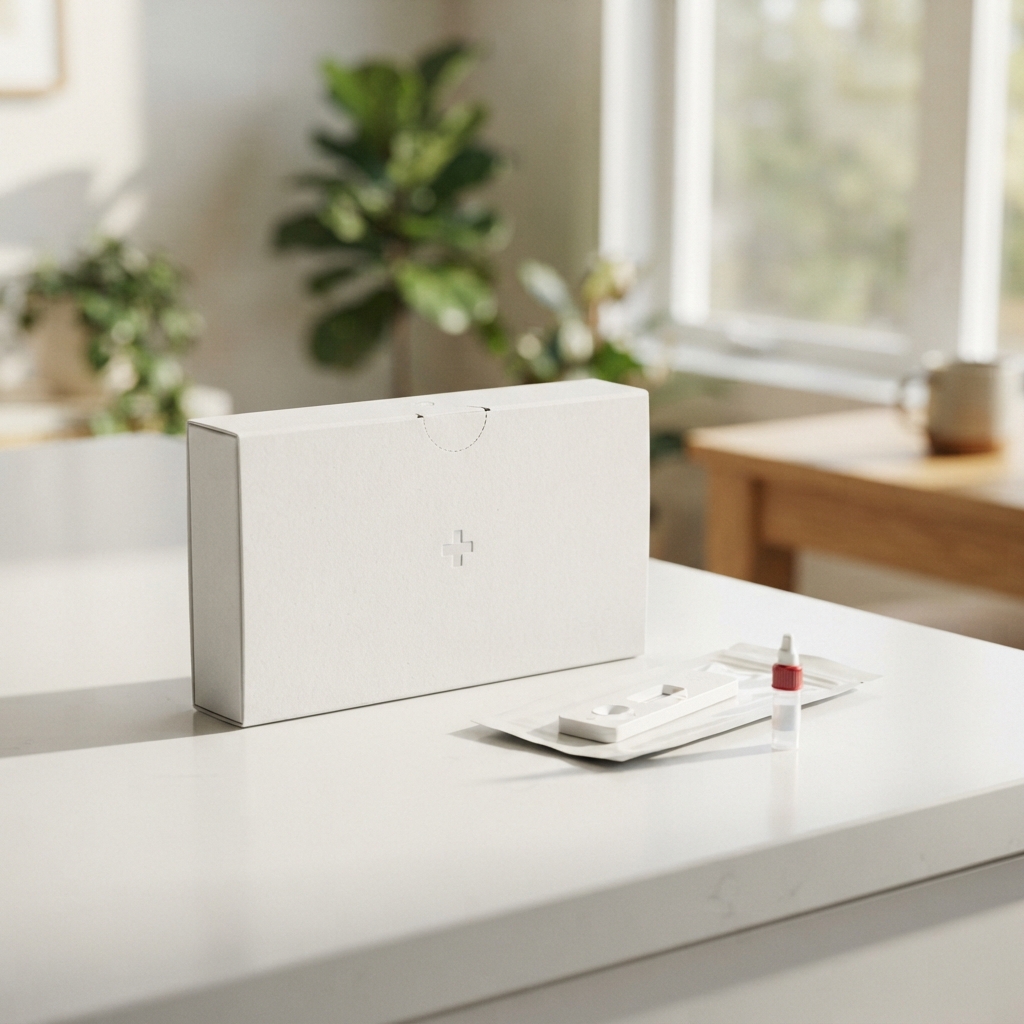
Sample collection: Blood is drawn either at a partner clinic or through an at-home kit shipped to your door.
Laboratory analysis: Accredited labs process the sample using standardized assays for each biomarker in the panel.
Algorithmic scoring: Results are fed into a validated model that outputs a biological age estimate.
Physician review: A licensed clinician reviews flagged markers and adds context to the report.
Digital delivery: Results appear in a secure dashboard with plain-language explanations and trend tracking.
The Science of Biological Aging
Aging happens unevenly across systems, which is why two people born the same year can have dramatically different internal profiles. Research on circulating blood biomarkers shows that markers of inflammation, metabolic function, kidney and liver health, and hormonal balance capture physiological deterioration years before clinical symptoms appear. Understanding what biomarkers are and how they connect to aging pathways is the foundation of interpreting your score. Chronic low-grade inflammation biomarkers, for instance, are strongly associated with accelerated aging and elevated risk for cardiovascular and metabolic conditions.

Choosing and Interpreting the Right Test
Not every biological age test uses the same methodology, and the differences matter for accuracy, cost, and actionability. Comparing formats side by side helps clarify which option fits your goals, whether that is a broad longevity snapshot or a deeper optimization panel.
Comparing Test Types Available in Canada
The Canadian market now offers several categories of testing, each with distinct tradeoffs. The table below outlines how blood-based panels compare to epigenetic and consumer wellness options.
Test Type | What It Measures | Turnaround | Physician Reviewed | Best For |
|---|---|---|---|---|
Blood biomarker panel | 50-65 markers across organ systems | 5-10 days | Yes | Preventive health and ongoing tracking |
Epigenetic (DNA methylation) | Chemical tags on DNA | 4-6 weeks | Varies | Research-oriented users |
Consumer wellness kit | 5-15 basic markers | 1-2 weeks | Rarely | Casual health curiosity |
Standard annual physical | 10-15 general markers | 1-2 weeks | Yes | Basic screening only |
Blood biomarker panels generally offer the strongest balance of breadth, turnaround, and clinical oversight, which is why they have become the preferred format for longevity-focused users. Biomi's Peak plan sits in this category, measuring sixty biomarkers across cardiovascular, thyroid, and hormonal systems alongside a direct biological age versus chronological age comparison.
Understanding Accuracy and Limitations
Accuracy varies widely depending on panel design, lab standards, and the underlying algorithm. Peer-reviewed biomarkers of aging research shows that multi-marker blood panels correlate strongly with functional decline and mortality risk, but no single test is definitive. Questions about whether biological age testing works are best answered by looking at whether results are reproducible, physician-reviewed, and trackable over time. A one-time score is useful, but repeated testing every six to twelve months reveals whether your interventions are actually moving the needle.
Conclusion
A biological age blood test transforms abstract wellness goals into measurable data you can act on. By quantifying inflammation, metabolic health, and hormonal balance, it reveals whether your daily habits are aging you faster or slower than the calendar suggests. The most valuable results come from panels that combine breadth of markers with physician review and longitudinal tracking, so improvements can be verified over time. For Canadians looking for a practical starting point, at-home testing removes the logistical barriers that once made this kind of insight difficult to access.
Ready to see how your internal age compares to your birthdate? Explore the Peak plan from Biomi to access a physician-reviewed biomarker panel designed for longevity tracking in Canada.
Frequently Asked Questions (FAQs)
What is a biological age test?
A biological age test is a blood-based analysis that measures multiple biomarkers to estimate how old your body is functioning internally compared to your chronological age.
How does biological age differ from chronological age?
Chronological age is the years since your birth, while biological age reflects the cumulative wear on your cells, organs, and systems based on lifestyle, genetics, and environment.
Can you reverse your biological age?
Research suggests biological age is partially modifiable through targeted improvements in sleep, nutrition, physical activity, stress management, and treatment of underlying inflammation or metabolic issues.
Is a biological age test accurate?
Multi-marker blood panels reviewed by physicians and processed through accredited labs offer reliable estimates, though accuracy improves further when tests are repeated over time to establish trends. For a deeper look, see biological age test accuracy.
What biomarkers are included in a longevity test?
A comprehensive longevity panel typically includes inflammation markers, lipid profiles, glucose regulation, kidney and liver function, thyroid hormones, sex hormones, and vitamin or mineral status.
How often should I retest my biological age?
Most experts recommend retesting every six to twelve months to track how lifestyle changes or clinical interventions are shifting your biomarker profile.
Can I take a biological age test at home in Canada?
Yes, several Canadian providers now offer at-home blood collection kits or mobile phlebotomy services that deliver samples to accredited labs for full biomarker analysis.
About the Author
Dr. Emily Carter is a Senior Health Content Strategist specializing in preventive health, biomarker analysis, and longevity science. She translates complex clinical research into clear, actionable guidance for readers navigating the fast-growing field of personalized health optimization.
À propos de l'auteur

Senior Health Content Strategist
Specializes in preventive health, biomarker analysis, and longevity science.
Articles connexes
- Comprehensive Longevity Blood Panel in Ontario
Discover what a comprehensive longevity blood panel in Ontario covers and why it beats standard checkups. Book your test with Biomi today.
- Private blood testing Montreal longevity markers
Discover how private blood testing in Montreal reveals key longevity markers for proactive, science-backed health insights. Start tracking today.
- What blood tests should I get for longevity
Wondering what blood tests you need for longevity? Discover the key longevity biomarkers experts recommend tracking for a longer, healthier life.
- How much does private blood testing cost in Canada
Explore private health testing Canada costs, from basic panels to full biomarker screening, and find the best value for your preventive health goals.
- How At-Home Blood Draw Health Testing Works in Calgary (2026 Guide)
Curious about private blood testing Calgary residents trust? Learn how mobile blood collection services simplify preventive health screening in 2026.
Lire l'article: Comprehensive Longevity Blood Panel in OntarioLire l'article: Private blood testing Montreal longevity markersLire l'article: What blood tests should I get for longevityLire l'article: How much does private blood testing cost in CanadaLire l'article: How At-Home Blood Draw Health Testing Works in Calgary (2026 Guide)