English
Comprehensive vs Basic Blood Panel: Which Do You Need?
Par Dr. Emily Carter

Introduction
Choosing between a basic and comprehensive blood panel is one of the most practical decisions you can make for your long-term health. A basic panel offers a narrow snapshot, typically checking a handful of markers during a routine visit, while a full blood panel casts a much wider net across dozens of biomarkers tied to metabolic, hormonal, and cardiovascular function. For Canadians focused on preventive blood work, the distinction matters more than most people realize. A basic screen can confirm you are not acutely ill, but it often misses the subtle shifts that signal early-stage risk years before symptoms appear.
Key Takeaway: A comprehensive blood panel measures significantly more biomarkers than a basic panel, giving you the data needed to detect health risks early and make informed lifestyle changes before problems escalate.
What Each Blood Panel Actually Measures
The gap between a basic and comprehensive blood panel is not just about the number of tests on a requisition form. It reflects a fundamentally different approach to understanding your health, one reactive and the other proactive. Knowing exactly what each option includes helps you decide which aligns with your goals.
What a Basic Blood Panel Covers
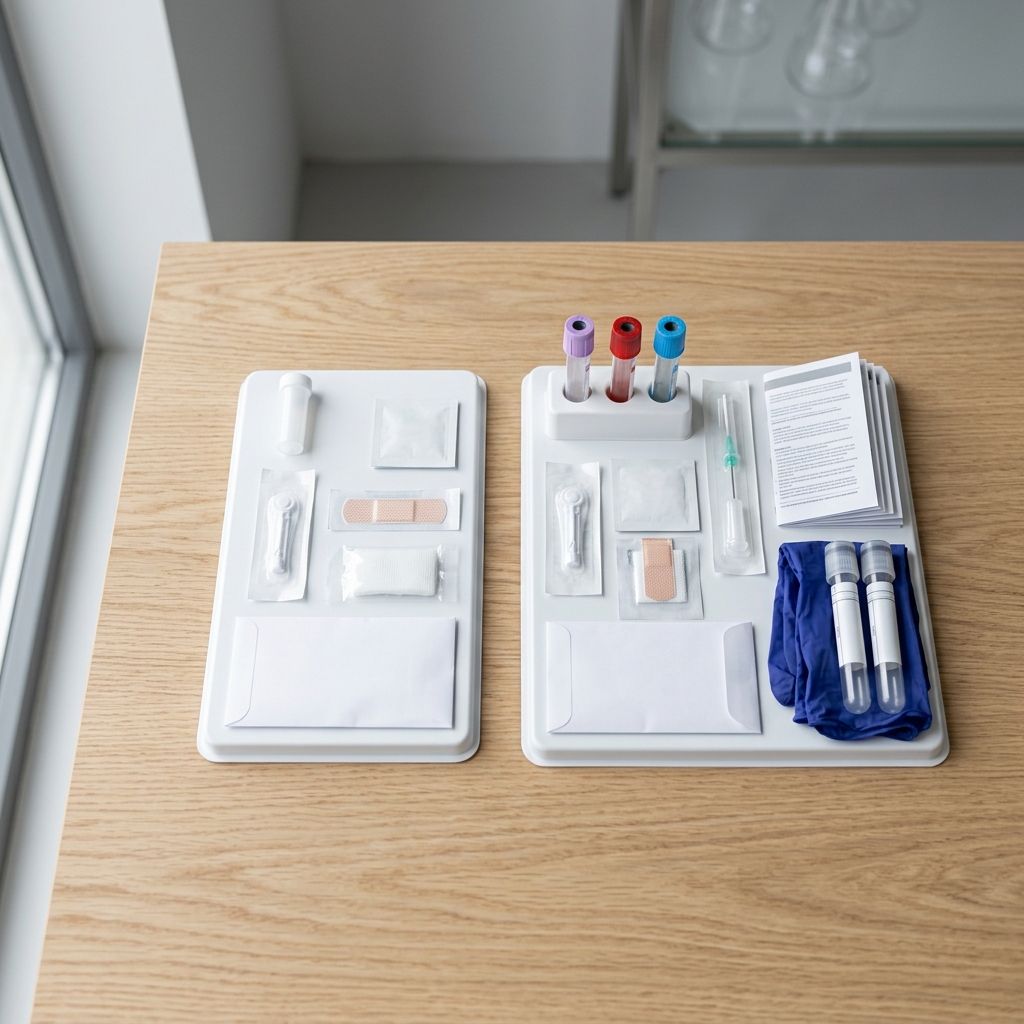
A basic blood chemistry panel typically includes a complete blood count, a basic metabolic panel test, and sometimes a fasting glucose check. These tests are designed to flag acute conditions like anemia, infection, kidney dysfunction, or blood sugar abnormalities. They are the standard set most Canadian physicians order during an annual visit, and provincial health plans generally cover them without additional cost.
Complete Blood Count (CBC): Measures red and white blood cells plus platelets to screen for infection, anemia, and clotting issues
Basic Metabolic Panel (BMP): Evaluates electrolytes, blood sugar, and kidney function through markers like creatinine and glucose
Fasting Glucose: Provides a single-point measurement of blood sugar levels to screen for diabetes risk
Basic Lipid Screen: Checks total cholesterol and sometimes LDL/HDL ratios at a surface level
What a Comprehensive Blood Panel Adds
A comprehensive blood panel expands well beyond these basics. It typically includes a full lipid panel blood test with particle size analysis, thyroid hormones (TSH, free T3, free T4), inflammatory markers like C-reactive protein, liver enzymes, iron studies, vitamin D, B12, HbA1c for long-term glucose control, and hormonal markers such as testosterone and cortisol. Some advanced panels also assess insulin sensitivity and kidney function through cystatin C rather than creatinine alone. This broader scope is what allows a comprehensive panel to detect patterns that a basic screen simply cannot capture, such as subclinical thyroid dysfunction or early insulin resistance that has not yet pushed fasting glucose out of range.
Why the Difference Matters for Preventive Health
The real question behind the comprehensive vs basic blood panel debate is not about cost or convenience. It is about how early you want to catch a problem. Research increasingly supports the idea that biomarker-driven screening identifies risk factors years before traditional symptom-based diagnosis, and that early intervention dramatically improves outcomes.
The Gaps in Basic Screening
A basic panel is designed to answer a binary question: is something acutely wrong right now? It is not designed to track trends over time or detect the gradual shifts that precede chronic disease. For example, your fasting glucose might sit at 5.4 mmol/L, well within the "normal" range, while your HbA1c and fasting insulin tell a very different story about where your metabolic health is heading. Without those additional markers, you and your physician are working with incomplete data.
Similarly, a standard lipid screen might show acceptable total cholesterol while missing elevated apolipoprotein B or a poor LDL particle count, both of which are stronger predictors of cardiovascular risk. These are the kinds of silent health problems that only surface when you test for them specifically. A blood panel vs annual physical comparison often reveals this exact gap: the physical checks vitals and runs basic labs, but it rarely digs into the biomarkers that matter most for preventive care.
Who Benefits Most from a Comprehensive Panel
Not everyone needs sixty-plus biomarkers tested every quarter. But certain groups stand to gain significantly from going beyond the basics. Adults over 35 with a family history of heart disease, diabetes, or thyroid conditions should strongly consider a comprehensive panel at least annually. The same applies to anyone actively managing fitness goals, hormonal health, or chronic fatigue, where subtle biomarker shifts can explain symptoms that a basic panel would never flag.
Health-conscious professionals in cities like Toronto and Vancouver are increasingly turning to services like Biomi to access the kind of detailed blood work testing that goes beyond what a standard requisition offers. The ability to track optimal vs normal biomarker ranges over time, rather than just confirming you fall within a reference range, is what separates reactive medicine from genuine preventive health strategy.

Comparing Cost, Access, and Value
Blood panel cost comparison is a legitimate concern, especially when provincial health coverage only extends to basic requisitions. Understanding what you are paying for and what you get in return helps frame the decision clearly.
What You Pay and What You Get
A basic panel through your family physician is typically covered by provincial health insurance in Canada, meaning zero out-of-pocket cost. A comprehensive panel, depending on the number of biomarkers and the provider, can range from $200 to $600 or more. That price difference reflects the depth of analysis: a basic panel might test 10 to 15 markers, while a full panel from a service like Biomi tests 60 or more, including key biomarkers Canadians should monitor for longevity.
The value calculation shifts when you consider what early detection is worth. Catching prediabetes two years before it becomes type 2 diabetes, or identifying a thyroid imbalance before it triggers weight gain and fatigue, can save thousands in future treatment costs and, more importantly, preserve quality of life. A thoughtful approach to ordering blood work means matching the scope of testing to your actual risk profile rather than defaulting to the minimum.
Accessibility Across Canada
Access to comprehensive testing has improved dramatically. Where Canadians once needed a physician referral and a trip to a hospital lab, services now offer at-home blood collection with physician-reviewed results delivered through secure online dashboards. This is particularly valuable for people in areas with long wait times or limited access to specialists. Whether you are looking for blood work testing in Toronto, Vancouver, or a smaller community, the barrier to entry for advanced panels has dropped significantly.
Conclusion
The choice between a basic and comprehensive blood panel comes down to how much visibility you want into your own health. A basic panel serves its purpose for acute screening, but it leaves significant blind spots in metabolic, hormonal, and cardiovascular health. For anyone serious about preventive health, investing in a comprehensive panel provides the actionable data needed to intervene early and optimize long-term outcomes. The best time to catch a problem is before it becomes one, and the right blood panel makes that possible.
Frequently Asked Questions (FAQs)
What is included in a complete blood panel?
A complete blood panel typically includes a CBC, comprehensive metabolic panel, full lipid profile, thyroid hormones, inflammatory markers, iron studies, key vitamins like D and B12, HbA1c, and hormonal markers such as testosterone and cortisol.
What does a blood panel test for?
A blood panel tests for a range of health indicators, including organ function, blood cell counts, cholesterol levels, blood sugar regulation, nutrient deficiencies, and inflammation, depending on whether you choose a basic or comprehensive option.
How often should you get blood work?
Most adults benefit from comprehensive blood work at least once per year, while those actively managing chronic conditions, fitness goals, or family risk factors may benefit from testing every six months.
What is the difference between a basic and a comprehensive blood panel?
A basic panel checks roughly 10 to 15 markers focused on acute conditions, while a comprehensive panel tests 40 to 65 or more biomarkers covering metabolic, hormonal, cardiovascular, and nutritional health for a complete picture.
Is preventive blood testing worth it?
Preventive blood testing is worth it because it can detect early-stage risk factors for conditions like diabetes, heart disease, and thyroid dysfunction years before symptoms appear, allowing for earlier and less costly intervention.
How much does a blood panel cost in Canada?
Basic panels are generally covered by provincial health insurance at no cost, while comprehensive panels from private providers typically range from $200 to $600, depending on the number of biomarkers tested.
Can I order a full blood panel online in Canada?
Yes, several Canadian services now allow you to order a full blood panel online with at-home collection kits and physician-reviewed results delivered through a secure digital dashboard.
À propos de l'auteur

Senior Health Content Strategist
Specializes in preventive health, biomarker analysis, and longevity science.
Articles connexes
- Biological Age Blood Test: What It Measures and Why It Matters
Curious about your biological age blood test results? Explore key biomarkers, what they reveal, and how to start optimizing your longevity today.
- At-Home Blood Draw for Health Testing in Calgary: How It Works
Discover how at-home blood draw testing works in Calgary, from booking to physician-reviewed results. Book your mobile blood collection today.
- What Is Biomi? Biomarker Testing and Biological Age Explained
Discover what Biomi is and how biomarker tracking reveals your biological age vs chronological age. Start your health journey today.
- Home Blood Draw: What to Expect Before Your Appointment
Booking a home blood test? Learn exactly what to expect before your appointment, from prep tips to physician-reviewed results with Biomi.
- What Is Longevity Testing? How It Works and What to Expect
Curious about longevity testing? Learn how this biomarker blood test works, what to expect, and how it reveals your biological age. Start today.
Lire l'article: Biological Age Blood Test: What It Measures and Why It MattersLire l'article: At-Home Blood Draw for Health Testing in Calgary: How It WorksLire l'article: What Is Biomi? Biomarker Testing and Biological Age ExplainedLire l'article: Home Blood Draw: What to Expect Before Your AppointmentLire l'article: What Is Longevity Testing? How It Works and What to Expect