English
How to Test Your Biological Age With Biomarkers
Par Dr. Emily Carter

Introduction
Your chronological age tells you how many years you have been alive, but your biological age reveals how well your body is actually holding up at a cellular and systemic level. Learning how to test biological age gives you a far more meaningful picture of your health trajectory, one rooted in measurable data rather than a number on your birth certificate. The difference between these two ages can be significant: two people born the same year can have dramatically different organ function, metabolic efficiency, and disease risk profiles depending on genetics, lifestyle, and environmental exposure. Biological age testing uses specific blood-based biomarkers to quantify that gap and identify where your body may be aging faster than expected.
Key Takeaway: A biological age test analyzes a panel of blood biomarkers spanning inflammation, metabolism, liver function, and cardiovascular health to produce an objective score of how your body is aging compared to your chronological age, giving you actionable data to guide preventive health decisions.
Understanding Biological Age and Why It Matters
Biological age reflects the physiological condition of your tissues, organs, and systems at any given time. Unlike chronological age, which moves in a single direction at a fixed rate, biological age can accelerate or decelerate depending on how you live, what you eat, how you manage stress, and whether underlying health issues are developing silently.
What Makes Biological Age Different From Chronological Age
Chronological age is simply a measure of time since birth, while a biological age assessment evaluates the functional state of your body using quantifiable physiological markers. The practical implication is significant: someone who is 45 years old chronologically might have the cardiovascular markers and inflammatory profile of a 38-year-old, or conversely, of a 55-year-old. Research on biological age versus chronological age in health assessment confirms that biological age is a stronger predictor of mortality and disease onset than time since birth alone. This is why a standard annual physical, which typically checks a narrow range of markers, often misses the full picture.
Chronological age: fixed, determined solely by date of birth, identical for everyone born on the same day
Biological age: dynamic, influenced by lifestyle, genetics, environment, and cumulative physiological stress
Clinical relevance: two individuals of the same chronological age can differ by a decade or more in biological age
Actionability: biological age can be modified through targeted interventions, while chronological age cannot
Why Canadians Are Turning to Preventive Health Blood Work
The traditional healthcare model in Canada prioritizes treatment over prevention, meaning many Canadians only receive testing when symptoms have already appeared. Preventive health blood work fills that gap by identifying metabolic, hormonal, and inflammatory shifts years before they manifest as diagnosable conditions. The growing accessibility of at-home blood tests has made this kind of proactive monitoring feasible without long wait times or repeated clinic visits. For health-conscious professionals who want data-driven decisions about their longevity, this shift from reactive to preventive care represents a fundamental change in how they manage their well-being.
Key Biomarkers Used to Measure Biological Age
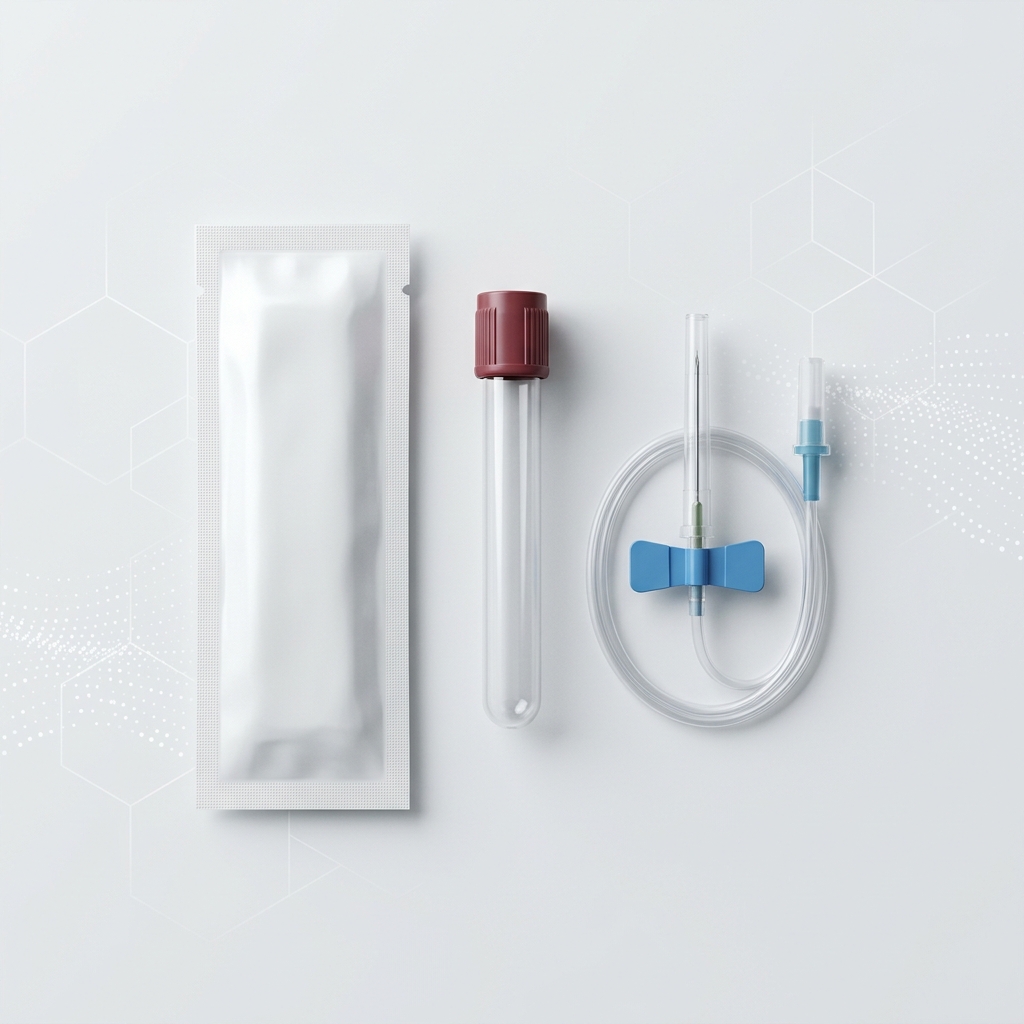
A comprehensive biomarker panel forms the backbone of any credible biological age test. These markers are drawn from multiple physiological systems, and when analyzed together using validated algorithms, they produce a composite score that reflects overall aging velocity.
The Core Aging Biomarkers in a Blood Panel
The most validated approaches to measuring biological age rely on a combination of inflammatory, metabolic, cardiovascular, and organ-function markers. The PhenoAge model, developed by Morgan Levine and colleagues, uses markers including C-reactive protein (CRP), albumin, creatinine, glucose, alkaline phosphatase, white blood cell count, mean cell volume, red cell distribution width, and lymphocyte percentage. These aging biomarkers were selected because they collectively predict morbidity and mortality more accurately than any single marker alone.
Beyond PhenoAge, other methods incorporate lipid panels (total cholesterol, HDL, LDL, triglycerides), HbA1c for long-term glucose control, thyroid hormones (TSH, free T3, free T4), sex hormones (testosterone, estrogen, DHEA-S), liver enzymes (ALT, AST, GGT), and kidney function markers. Each of these contributes a piece of the puzzle. A service like Biomi, which offers panels of 60 to 65 or more biomarkers, captures this breadth in a single test session, providing the data density needed for accurate biological age calculation.
How These Biomarkers Get Translated Into an Age Score
Raw biomarker values alone do not tell you your biological age. They must be processed through validated mathematical models that weigh each marker based on its predictive power for health outcomes. The Klemera-Doubal method, PhenoAge algorithm, and homeostatic dysregulation models each use different statistical approaches to produce a single composite age estimate. Machine learning models trained on large population datasets can now integrate dozens of blood-based biomarkers into biological age estimates with increasing precision.
The output is typically expressed as a number (your estimated biological age) alongside your chronological age, with the gap between them indicating whether you are aging faster or slower than average. Some platforms also provide organ-specific age estimates for your heart, liver, kidneys, and metabolic system, allowing you to pinpoint which systems need attention. Understanding how a biological age test works at this level helps you interpret results with clarity rather than anxiety.

Conclusion
Testing your biological age with biomarkers is one of the most actionable steps you can take toward understanding your true health status. By measuring a comprehensive panel of blood-based markers across inflammation, metabolism, hormones, and organ function, you gain insight that no standard physical exam provides. The results become even more powerful when tracked over time, allowing you to see whether lifestyle interventions are actually slowing or reversing your rate of aging. For Canadians seeking longevity testing services, the combination of validated science and accessible at-home collection through platforms like Biomi makes getting started straightforward. The data exists to help you live better for longer; the only step left is collecting it.
Frequently Asked Questions (FAQs)
How do you test biological age?
You test biological age by completing a blood draw (at a clinic or at home) that measures a panel of biomarkers across inflammation, metabolism, and organ function, which are then processed through a validated algorithm to produce your estimated biological age.
What blood tests show biological age?
Blood tests that show biological age include CRP, albumin, creatinine, glucose, HbA1c, lipid panels, liver enzymes, white blood cell count, and red cell distribution width, among others used in models like PhenoAge.
How is biological age calculated?
Biological age is calculated by inputting multiple biomarker values into a statistical model (such as PhenoAge or the Klemera-Doubal method) that weighs each marker based on its association with mortality and morbidity risk in large population datasets.
Can lifestyle change biological age?
Yes, research confirms that sustained improvements in diet, exercise, sleep, and stress management can reduce biological age by improving the underlying biomarker values that drive the calculation.
How often should you test biological age?
Testing every 3 to 6 months provides enough time for lifestyle interventions to produce measurable changes in your key biomarkers, making it the recommended frequency for biomarker tracking for longevity.
Where can I get a biological age test in Canada?
Biological age testing in Canada is available through specialized preventive health services that offer comprehensive biomarker panels with at-home collection and physician-reviewed results, including providers operating in Vancouver, Toronto, and nationwide.
What is the best biological age test vs DNA test?
Blood biomarker tests measure your current physiological state and respond to lifestyle changes within months, while DNA-based epigenetic tests measure methylation patterns that change more slowly, making blood-based panels more actionable for short-term health optimization according to comparative analyses.
À propos de l'auteur

Senior Health Content Strategist
Specializes in preventive health, biomarker analysis, and longevity science.
Articles connexes
- Biological Age Blood Test: What It Measures and Why It Matters
Curious about your biological age blood test results? Explore key biomarkers, what they reveal, and how to start optimizing your longevity today.
- At-Home Blood Draw for Health Testing in Calgary: How It Works
Discover how at-home blood draw testing works in Calgary, from booking to physician-reviewed results. Book your mobile blood collection today.
- What Is Biomi? Biomarker Testing and Biological Age Explained
Discover what Biomi is and how biomarker tracking reveals your biological age vs chronological age. Start your health journey today.
- Home Blood Draw: What to Expect Before Your Appointment
Booking a home blood test? Learn exactly what to expect before your appointment, from prep tips to physician-reviewed results with Biomi.
- What Is Longevity Testing? How It Works and What to Expect
Curious about longevity testing? Learn how this biomarker blood test works, what to expect, and how it reveals your biological age. Start today.
Lire l'article: Biological Age Blood Test: What It Measures and Why It MattersLire l'article: At-Home Blood Draw for Health Testing in Calgary: How It WorksLire l'article: What Is Biomi? Biomarker Testing and Biological Age ExplainedLire l'article: Home Blood Draw: What to Expect Before Your AppointmentLire l'article: What Is Longevity Testing? How It Works and What to Expect