English
Homocysteine Levels: What Your Blood Test Reveals
Par Dr. Ethan Brooks

Introduction
Homocysteine is an amino acid produced during protein metabolism that, when elevated in the blood, acts as a warning signal for cardiovascular disease, stroke, and accelerated aging. Despite growing research linking this biomarker to serious health outcomes, a homocysteine blood test rarely appears on standard lab panels in Canada, leaving many people unaware of a risk factor quietly building in their system. For anyone invested in preventive health, understanding what homocysteine levels reveal is one of the most practical steps toward catching problems before symptoms ever surface. The gap between what routine bloodwork covers and what actually predicts long-term health risk is wider than most Canadians realize.
Key Takeaway: Elevated homocysteine is a modifiable cardiovascular risk factor that standard checkups often miss, but targeted testing combined with B-vitamin optimization can bring levels back to a healthy range and reduce long-term disease risk.
Understanding Homocysteine and Why It Matters
Homocysteine is a sulfur-containing amino acid formed as a byproduct when the body breaks down methionine, an essential amino acid found in meat, fish, eggs, and dairy. In a well-functioning system, homocysteine is rapidly recycled back into methionine or converted into cysteine through pathways that depend heavily on B vitamins. When those pathways stall, homocysteine accumulates in the bloodstream, and that accumulation is where the clinical concern begins.
How Homocysteine Metabolism Works
The recycling of homocysteine relies on two main biochemical routes, each requiring specific nutrient cofactors. When any of these nutrients are insufficient, homocysteine metabolism slows, and blood levels begin to climb. Here are the key players in keeping homocysteine in check:
Folate (Vitamin B9): Serves as the primary methyl donor that converts homocysteine back into methionine through the remethylation pathway
Vitamin B12: Acts as a cofactor for the enzyme methionine synthase, which cannot function without adequate B12 supply
Vitamin B6: Powers the transsulfuration pathway that converts homocysteine into cysteine, an important antioxidant precursor
Genetics (MTHFR variants): Common gene mutations reduce folate processing efficiency, leading to higher baseline homocysteine even with adequate dietary intake
Why Elevated Homocysteine Is a Health Risk
When homocysteine accumulates, it damages the endothelial lining of blood vessels, promotes oxidative stress, and accelerates the formation of arterial plaque. Research consistently links elevated homocysteine to increased risk of coronary artery disease, deep vein thrombosis, stroke, and cognitive decline. These effects occur independently of traditional risk factors like high cholesterol or hypertension, which is precisely why homocysteine deserves its own place on a preventive screening panel. A level above 15 micromoles per liter is generally considered elevated, though emerging evidence suggests that even levels above 10 may carry increased risk over time.
Homocysteine vs. Cholesterol and How to Get Tested
Most Canadians are familiar with cholesterol numbers, but few have heard of the homocysteine biomarker, let alone had it tested. Comparing these two markers side by side reveals why relying on cholesterol alone leaves significant blind spots in cardiovascular health assessment.
Homocysteine vs. Cholesterol: A Side-by-Side Comparison
Both homocysteine and cholesterol contribute to cardiovascular risk, but they operate through entirely different mechanisms and respond to different interventions. The following table highlights the practical differences that matter most for preventive health screening.
Factor | Homocysteine | LDL Cholesterol |
|---|---|---|
Primary Risk Mechanism | Endothelial damage and oxidative stress | Plaque buildup inside artery walls |
Included in Routine Panels | Rarely, must be specifically requested | Yes, standard in most lipid panels |
Key Nutritional Drivers | Folate deficiency, low B12, low B6 | Saturated fat intake, genetic factors |
Primary Treatment Approach | B-vitamin supplementation and dietary changes | Statins, dietary modification, exercise |
Response Time to Intervention | Weeks to a few months with targeted nutrients | Months, often requires ongoing medication |
The most important takeaway here is that homocysteine responds quickly to nutritional correction, making it one of the most actionable cardiovascular markers available. Unlike cholesterol numbers, which often require pharmaceutical intervention, elevated homocysteine can frequently be resolved through targeted B-vitamin intake alone.
Getting Tested: Options for Homocysteine Testing in Canada
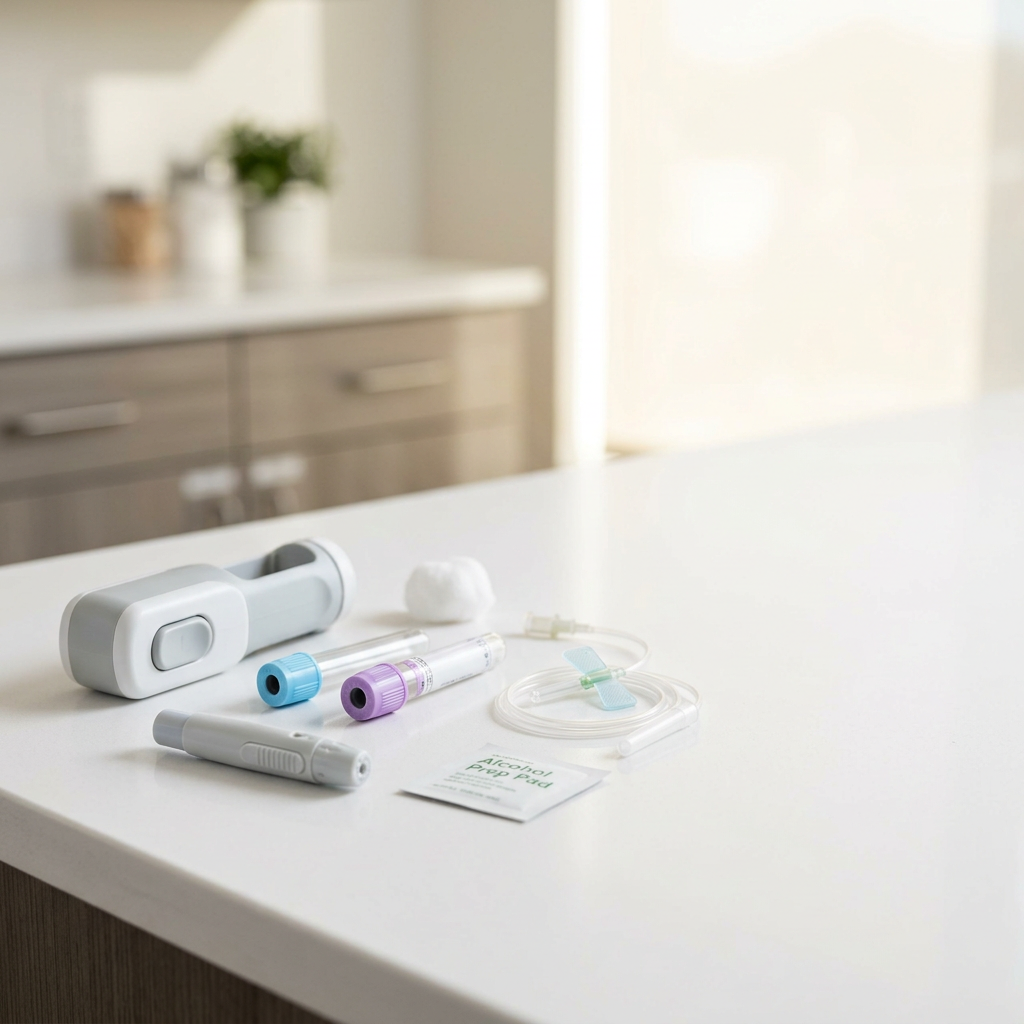
A homocysteine blood test is a simple fasting blood draw, but accessing it in Canada requires knowing where to look. Most provincial health plans do not cover it as part of routine bloodwork unless a physician specifically orders it based on clinical suspicion. For Canadians who want preventive health screening without waiting for symptoms, private testing services fill this gap effectively.
Biomi offers comprehensive biomarker testing that includes homocysteine alongside dozens of other markers across cardiovascular, metabolic, and hormonal categories. With at-home blood collection kits and physician-reviewed results delivered through a secure dashboard, the process removes the friction that typically stops people from going beyond standard panels. For those exploring nutritional interventions to lower homocysteine, having a reliable baseline number is the essential first step.

Conclusion
Homocysteine is one of the most clinically meaningful yet overlooked biomarkers in preventive health. Knowing where your levels stand gives you a clear, actionable data point that can guide dietary changes, supplementation, and long-term cardiovascular risk reduction. For Canadians who take a proactive approach to monitoring key biomarkers, adding homocysteine to regular health panels is a small step with outsized returns. Biomi's testing panels make it straightforward to track this marker alongside other critical indicators, turning raw blood data into a personalized roadmap for preventive health.
Frequently Asked Questions (FAQs)
What is a normal homocysteine level?
A normal homocysteine level falls between 5 and 15 micromoles per liter, though many clinicians now consider levels below 10 optimal for long-term cardiovascular protection.
What causes high homocysteine levels?
The most common causes are folate deficiency, low vitamin B12 or B6, MTHFR gene mutations, kidney disease, hypothyroidism, and certain medications that interfere with B-vitamin absorption.
Can supplements reduce homocysteine?
Yes, supplementation with methylfolate, vitamin B12, and vitamin B6 has been shown to reduce homocysteine levels significantly within weeks in most individuals with nutrient-driven elevations.
How is homocysteine tested?
Homocysteine is measured through a standard fasting blood draw, and the sample is analyzed for the concentration of homocysteine in micromoles per liter of plasma.
Does homocysteine cause heart disease?
Elevated homocysteine damages blood vessel linings and promotes plaque formation, and while it is classified as an independent risk factor for cardiovascular disease, the debate continues over whether lowering it directly reduces cardiac events.
How often should homocysteine be checked in Canada?
Health-conscious adults should test homocysteine at least once annually, or more frequently if levels were previously elevated or if dietary and supplement interventions are being monitored for effectiveness.
What foods lower homocysteine naturally?
Leafy greens (spinach, kale), legumes, fortified cereals, eggs, fish, and organ meats are among the best dietary sources of folate, B12, and B6, all of which support healthy homocysteine metabolism.
À propos de l'auteur

Medical Research Content Advisor
Combines medical research and functional medicine expertise to create educational content on health biomarkers, disease prevention, and longevity.
Articles connexes
- What Is Biomi? Biomarker Testing and Biological Age Explained
Discover what Biomi is and how biomarker tracking reveals your biological age vs chronological age. Start your health journey today.
- Home Blood Draw: What to Expect Before Your Appointment
Booking a home blood test? Learn exactly what to expect before your appointment, from prep tips to physician-reviewed results with Biomi.
- What Is Longevity Testing? How It Works and What to Expect
Curious about longevity testing? Learn how this biomarker blood test works, what to expect, and how it reveals your biological age. Start today.
- Cheapest Blood Tests in Canada: Where to Get Tested
Looking for a cheap blood test in Canada? Compare private blood testing costs by city and find the best value for your health budget.
- Blood Biomarkers Explained: What They Reveal About Your Health
Discover what blood biomarkers reveal about your heart, hormones, and metabolism. Learn how to read your results and take control of your health today.
Lire l'article: What Is Biomi? Biomarker Testing and Biological Age ExplainedLire l'article: Home Blood Draw: What to Expect Before Your AppointmentLire l'article: What Is Longevity Testing? How It Works and What to ExpectLire l'article: Cheapest Blood Tests in Canada: Where to Get TestedLire l'article: Blood Biomarkers Explained: What They Reveal About Your Health