English
Iron Deficiency Symptoms, Causes & Treatment: A Complete Guide
Par Dr. Ethan Brooks

Introduction
Iron deficiency is the most prevalent nutritional deficiency on the planet, yet millions of people live with its effects for months or years before receiving a proper diagnosis. The symptoms often masquerade as everyday complaints: chronic tiredness, difficulty concentrating, or hair that seems to shed more than usual. Left unaddressed, low iron levels progress toward iron deficiency anemia, a condition that impairs oxygen delivery to every organ in the body. What makes this condition particularly frustrating is that a simple set of blood tests can detect it early, often long before serious complications develop. Understanding which symptoms to watch for, what drives iron depletion, and how to treat it effectively can fundamentally change the trajectory of someone's health.
Recognizing Iron Deficiency Symptoms and Who Is Most at Risk
Iron plays a central role in producing hemoglobin, the protein inside red blood cells responsible for carrying oxygen from the lungs to the rest of the body. When iron stores decline, oxygen transport becomes less efficient, and the body sends signals that something is wrong. These signals range from subtle to disruptive, and recognizing them early is the first step toward effective intervention.
Common Signs That Point to Low Iron
Iron deficiency symptoms tend to appear gradually, which is one reason they are so often dismissed or attributed to stress, poor sleep, or aging. The following are among the most frequently reported signs, each tied directly to reduced oxygen availability in tissues and organs.
Persistent fatigue: This goes beyond normal tiredness and often does not improve with rest, making it the hallmark of iron deficiency fatigue.
Pale skin and brittle nails: Reduced hemoglobin gives skin a washed-out appearance, while nails may become spoon-shaped or crack easily.
Shortness of breath during routine activity: Climbing stairs or walking briskly may feel disproportionately difficult as the body struggles to oxygenate muscles.
Brain fog and poor concentration: Cognitive performance depends on adequate oxygen supply to the brain, and even a mild deficiency can impair focus and memory.
Hair thinning and increased shedding: Hair follicles are sensitive to nutrient deprivation, and iron depletion is a well-documented trigger for silent health problems that manifest visibly over time.
Why Iron Deficiency Disproportionately Affects Certain Groups
Iron deficiency in women is significantly more common than in men, driven largely by menstrual blood loss that depletes iron stores on a monthly cycle. Pregnancy amplifies this risk because blood volume increases dramatically while iron demand surges to support fetal development. According to Statistics Canada research, a notable percentage of Canadian women of reproductive age have depleted ferritin stores without knowing it.
Vegetarians and vegans face a distinct challenge because plant-based (non-heme) iron is absorbed at roughly 2 to 20 percent efficiency compared to 15 to 35 percent for heme iron from animal sources. Individuals with celiac disease, inflammatory bowel disease, or chronic gastrointestinal conditions also experience iron absorption problems that can make dietary intake alone insufficient. Athletes, frequent blood donors, and growing adolescents round out the list of higher-risk groups who benefit most from preventive health testing.
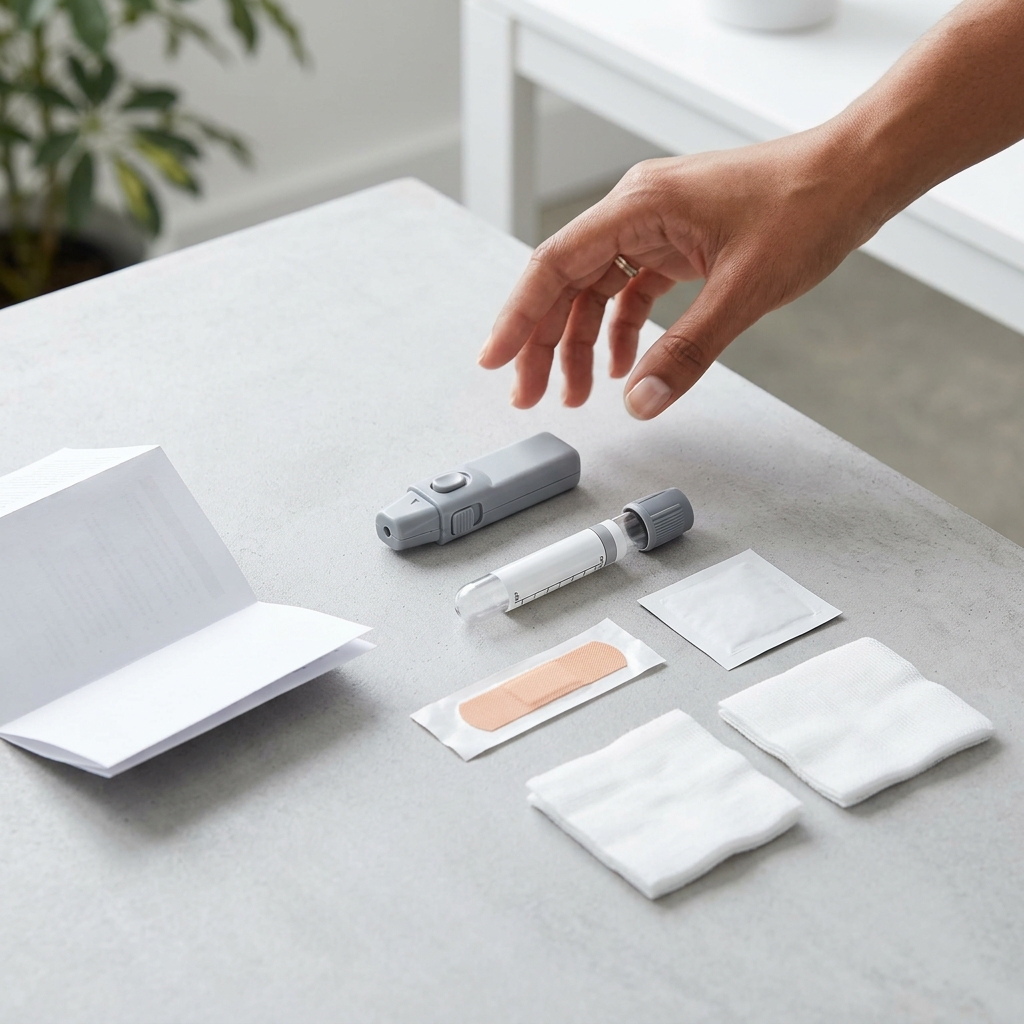
Diagnosing and Treating Iron Deficiency Effectively
Recognizing symptoms is valuable, but confirming iron deficiency requires objective data from blood work. A clinical diagnosis depends on specific biomarkers that reveal not just current iron status but also the body's capacity to transport and store it. Once confirmed, iron deficiency treatment follows a clear, evidence-based path that combines dietary strategy with targeted supplementation.
Which Blood Tests Confirm Iron Deficiency
The most informative single marker is ferritin, a protein that reflects how much iron the body has stored in reserve. When ferritin levels are low (typically below 30 micrograms per liter, even if technically within the "normal" lab range), iron stores are depleted, and symptoms often follow. A ferritin test alone, however, does not tell the full story because ferritin can be artificially elevated by inflammation or infection.
A complete iron panel adds clarity. Serum iron measures the amount of circulating iron in the blood at the time of the draw. Total iron-binding capacity (TIBC) indicates how much transferrin, the iron transport protein, is available and unsaturated. When TIBC is high, and serum iron is low, the body is essentially reaching for iron it cannot find. Transferrin saturation, calculated from these values, provides the percentage of transport protein that is actually carrying iron. A comprehensive blood panel that includes these markers alongside a CBC gives clinicians and patients a complete view of iron status. Understanding the distinction between iron deficiency and anemia is also important: iron deficiency refers to depleted stores, while anemia means hemoglobin has dropped low enough to impair red blood cell function. One can exist without the other, and low hemoglobin levels on a blood test are a late-stage indicator rather than an early warning sign.
For Canadians exploring iron deficiency testing, the traditional route involves requesting a requisition from a family physician, which can mean weeks of waiting. Platforms like Biomi offer an alternative by providing direct access to lab-grade biomarker panels that include ferritin and iron markers, with at-home blood collection and physician-reviewed results delivered through a secure online dashboard. This approach makes it practical to track iron levels over time rather than relying on a single snapshot.
Evidence-Based Treatment: Diet, Supplements, and Monitoring
Iron deficiency treatment begins with dietary adjustments. Heme iron from red meat, organ meats, shellfish, and poultry is the most bioavailable form. Plant-based sources such as lentils, spinach, tofu, and fortified cereals contribute non-heme iron, which can be significantly enhanced by pairing it with vitamin C. A glass of orange juice alongside an iron-rich meal, for example, can double or triple non-heme absorption. Conversely, calcium, tannins in tea and coffee, and phytates in whole grains can inhibit absorption when consumed at the same time as iron-rich foods or supplements.
When diet alone is insufficient, oral iron supplements become the standard first-line treatment. The best iron supplements reviewed in Canada include ferrous bisglycinate, which is gentler on the stomach than older forms like ferrous sulfate, and iron polysaccharide complexes. A typical therapeutic dose ranges from 60 to 200 milligrams of elemental iron per day, taken on an empty stomach for optimal absorption. Side effects such as constipation and nausea are common with some formulations, so choosing a well-tolerated form matters for long-term compliance. For severe cases or those with absorption problems, intravenous iron infusions administered in a clinical setting may be necessary. Biomi's biomarker tracking can help users monitor how their ferritin and key blood biomarkers respond to supplementation over weeks and months, turning treatment from guesswork into a measurable process.

Conclusion
Iron deficiency is common, detectable, and treatable, yet it remains underdiagnosed because its symptoms overlap with so many other conditions. The path from suspicion to resolution runs through objective data: ferritin, serum iron, TIBC, and transferrin saturation tell a story that symptoms alone cannot. Whether through dietary changes, targeted supplementation, or clinical intervention, replenishing iron stores is achievable when guided by regular biomarker results. Proactive testing, especially for higher-risk groups, transforms iron management from reactive treatment into genuine health optimization.
Explore Biomi's biomarker testing platform to track your ferritin and iron levels with lab-grade accuracy from the comfort of home.
Frequently Asked Questions (FAQs)
What causes iron deficiency?
Iron deficiency is caused by inadequate dietary intake, poor absorption due to gastrointestinal conditions, increased demand during pregnancy or growth, or chronic blood loss from menstruation, ulcers, or other sources.
How do I know if I have an iron deficiency?
Persistent fatigue, pale skin, brittle nails, hair thinning, and shortness of breath during light activity are common indicators, but a blood test measuring ferritin and serum iron is the only way to confirm a diagnosis.
What is ferritin, and why does it matter?
Ferritin is a protein that stores iron in your cells, and its blood level is the most sensitive early marker of depleted iron reserves, often dropping well before hemoglobin or red blood cell counts show any abnormality.
Can iron deficiency cause fatigue?
Yes, fatigue is the most commonly reported symptom of iron deficiency because low iron reduces hemoglobin production, limiting the amount of oxygen delivered to muscles, the brain, and other tissues.
How can I increase my iron levels?
Increasing iron levels involves eating iron-rich foods (especially heme iron from meat and shellfish), pairing plant-based iron sources with vitamin C, taking a well-absorbed supplement like ferrous bisglycinate, and retesting biomarkers after 8 to 12 weeks to confirm improvement.
À propos de l'auteur

Medical Research Content Advisor
Combines medical research and functional medicine expertise to create educational content on health biomarkers, disease prevention, and longevity.
Articles connexes
- Biological Age Blood Test: What It Measures and Why It Matters
Curious about your biological age blood test results? Explore key biomarkers, what they reveal, and how to start optimizing your longevity today.
- At-Home Blood Draw for Health Testing in Calgary: How It Works
Discover how at-home blood draw testing works in Calgary, from booking to physician-reviewed results. Book your mobile blood collection today.
- What Is Biomi? Biomarker Testing and Biological Age Explained
Discover what Biomi is and how biomarker tracking reveals your biological age vs chronological age. Start your health journey today.
- Home Blood Draw: What to Expect Before Your Appointment
Booking a home blood test? Learn exactly what to expect before your appointment, from prep tips to physician-reviewed results with Biomi.
- What Is Longevity Testing? How It Works and What to Expect
Curious about longevity testing? Learn how this biomarker blood test works, what to expect, and how it reveals your biological age. Start today.
Lire l'article: Biological Age Blood Test: What It Measures and Why It MattersLire l'article: At-Home Blood Draw for Health Testing in Calgary: How It WorksLire l'article: What Is Biomi? Biomarker Testing and Biological Age ExplainedLire l'article: Home Blood Draw: What to Expect Before Your AppointmentLire l'article: What Is Longevity Testing? How It Works and What to Expect