English
How Blood Tests Catch Silent Health Problems Early

Introduction
Heart disease, thyroid dysfunction, insulin resistance, and hormonal imbalances share a troubling trait: they can develop for years without producing a single noticeable symptom. By the time fatigue, weight gain, or chest tightness prompts a doctor's visit, the underlying condition may already be advanced and significantly harder to reverse. Preventive blood testing flips this equation by measuring the biological signals that shift long before you feel anything at all. Specific biomarkers in your blood can flag cardiovascular risk, metabolic decline, and organ stress at stages when lifestyle changes or early interventions are most effective. The gap between "feeling fine" and actually being fine is often wider than most people realize, and a single blood draw can measure exactly how wide.
Why Symptoms Are Unreliable Indicators of Health
Most people operate under the assumption that their body will alert them when something goes wrong. In reality, many of the conditions responsible for the highest rates of disability and death are clinically silent during their most treatable stages. Understanding why symptoms fail as a warning system is the first step toward adopting a more proactive health monitoring strategy.
The Silence Behind Chronic Disease
Cardiovascular disease is the leading cause of death in Canada, yet atherosclerosis (the buildup of plaque in arteries) can progress for decades without causing pain or shortness of breath. A study published in the American Heart Association's Circulation journal found that subclinical cardiovascular damage is present in a significant percentage of adults who report no symptoms at all. The same pattern applies to Type 2 diabetes, where elevated fasting glucose and insulin resistance can persist for years before a diagnosis. Thyroid conditions, liver enzyme elevations, and vitamin deficiencies follow similar trajectories, quietly eroding function while the individual feels "normal."
Cardiovascular disease: Elevated LDL, ApoB, and hs-CRP levels can signal arterial damage years before a cardiac event
Thyroid dysfunction: TSH and free T4 shifts often precede fatigue, weight changes, and mood disruption by months or years
Metabolic syndrome: Fasting insulin and HbA1c reveal glucose regulation problems long before a diabetes diagnosis
Hormonal imbalances: Testosterone, cortisol, and DHEA-S changes affect energy, sleep, and recovery before symptoms become obvious
Nutritional deficiencies: Iron, B12, and vitamin D levels can drop significantly while the body compensates and masks the decline
The Cost of Waiting for Symptoms
When a condition is caught early, treatment is often simpler, less invasive, and far less expensive. A pre-diabetic individual identified through blood work can reverse course with dietary adjustments and exercise. That same person, diagnosed five years later with full Type 2 diabetes, may face a lifetime of medication management and elevated risk for kidney disease, neuropathy, and vision loss. Early disease detection through blood tests shifts the entire cost-benefit equation in your favour, both financially and in terms of quality of life. For employers, this translates directly into reduced absenteeism and lower long-term health screening costs for their teams.
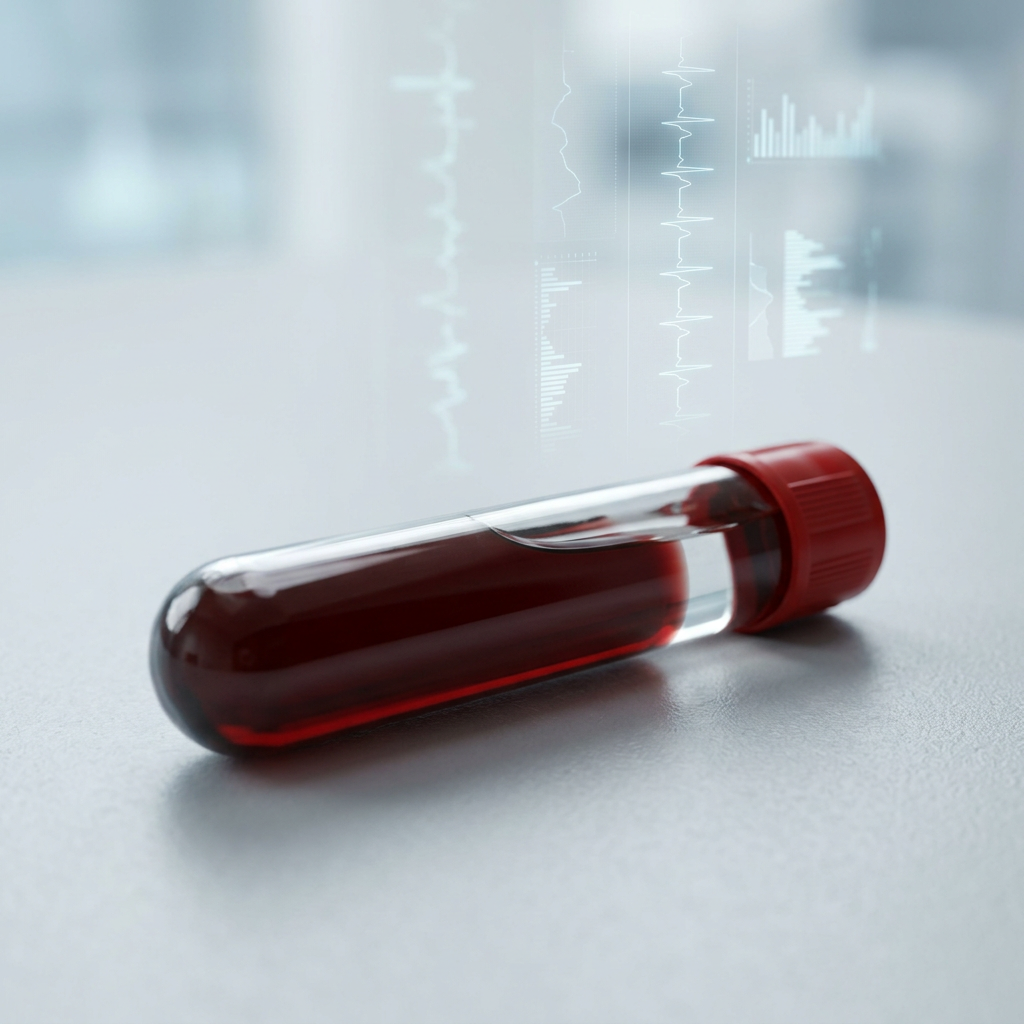
The Biomarkers That Serve as Early Warning Signs
Not all blood tests are created equal. A basic metabolic panel at your annual physical captures a narrow snapshot, but comprehensive blood panels that track dozens of biomarkers paint a far more detailed picture of what is happening inside your body. Knowing which markers matter most, and what their trends reveal over time, is central to using blood work as a genuine early warning system.
Key Markers for Heart, Metabolic, and Hormonal Health
For cardiovascular risk, the markers that matter extend well beyond total cholesterol. ApoB, a protein that carries LDL particles into artery walls, is increasingly recognized as a superior predictor of heart disease risk. High-sensitivity C-reactive protein (hs-CRP) measures systemic inflammation, which research has linked to plaque instability and cardiac events. Lipoprotein(a), a genetically determined marker, identifies individuals at elevated risk even when their standard lipid panel looks normal.
On the metabolic side, fasting insulin is arguably more informative than fasting glucose alone. Insulin levels rise as the body works harder to maintain normal blood sugar, providing a window into early disease prevention strategies years before glucose itself climbs out of range. HbA1c complements this by reflecting average blood sugar control over the previous three months. Thyroid markers (TSH, free T3, free T4) and hormonal panels (testosterone, estrogen, cortisol, DHEA-S) round out the picture, revealing the hormonal architecture that governs energy, mood, longevity, and recovery.
Why Personalized Interpretation Matters More Than Reference Ranges
Standard lab reports flag values as "normal" or "abnormal" based on population reference ranges. The problem is that these ranges are wide enough to include early-stage dysfunction. A TSH of 4.0 mIU/L falls within the standard reference range, but for a 35-year-old experiencing brain fog and weight gain, it may signal a thyroid that is already underperforming. Personalized blood test interpretation goes further by evaluating results in the context of your age, sex, health goals, and previous results. This is where physician-reviewed blood results add real clinical value: a trained eye can spot trends and patterns that an automated lab report will miss entirely. Comparing your current values against your own historical baseline, rather than a generic population average, is where longitudinal health tracking becomes a powerful diagnostic tool.

Conclusion
Silent health conditions are only silent until they become serious. Blood biomarkers offer a measurable, objective window into cardiovascular, metabolic, thyroid, and hormonal health at stages when intervention is most effective. Tracking these markers over time, with physician-reviewed interpretation that goes beyond generic reference ranges, transforms routine blood work into a genuine health optimization strategy. For individuals and employers alike, the shift from reactive to proactive health management starts with understanding what your blood is already telling you. Biomi makes that shift accessible across Canada through comprehensive panels, at-home collection, and a secure dashboard that tracks your progress over time.
Take control of your health before symptoms decide for you. Explore Biomi's preventive blood testing plans today.
Frequently Asked Questions (FAQs)
What can blood tests detect before symptoms?
Comprehensive blood panels can detect early signs of cardiovascular disease, insulin resistance, thyroid dysfunction, hormonal imbalances, and nutritional deficiencies years before any physical symptoms appear.
How do biomarkers predict future health problems?
Biomarkers like ApoB, hs-CRP, fasting insulin, and HbA1c reflect biological processes that shift gradually toward disease, allowing physicians to identify risk trajectories and intervene before clinical thresholds are crossed.
How often should you get preventive blood tests?
Most health professionals recommend comprehensive blood testing every six to twelve months, depending on your age, risk factors, and whether you are actively tracking the impact of lifestyle or treatment changes.
Which blood markers indicate heart disease risk?
Key cardiovascular markers include ApoB, lipoprotein(a), high-sensitivity C-reactive protein (hs-CRP), LDL particle count, and triglyceride-to-HDL ratio, all of which can signal elevated risk well before symptoms emerge.
How does preventive blood testing compare to an annual physical?
An annual physical typically includes a limited set of basic labs and a general exam, while preventive blood testing analyzes 60 or more biomarkers to provide a detailed, data-driven assessment of cardiovascular, metabolic, hormonal, and organ-level health.
About the author

Health & Wellness Editorial Team
Related articles
- Biological Age Blood Test: What It Measures and Why It Matters
Curious about your biological age blood test results? Explore key biomarkers, what they reveal, and how to start optimizing your longevity today.
- At-Home Blood Draw for Health Testing in Calgary: How It Works
Discover how at-home blood draw testing works in Calgary, from booking to physician-reviewed results. Book your mobile blood collection today.
- What Is Biomi? Biomarker Testing and Biological Age Explained
Discover what Biomi is and how biomarker tracking reveals your biological age vs chronological age. Start your health journey today.
- Home Blood Draw: What to Expect Before Your Appointment
Booking a home blood test? Learn exactly what to expect before your appointment, from prep tips to physician-reviewed results with Biomi.
- What Is Longevity Testing? How It Works and What to Expect
Curious about longevity testing? Learn how this biomarker blood test works, what to expect, and how it reveals your biological age. Start today.
Read article: Biological Age Blood Test: What It Measures and Why It MattersRead article: At-Home Blood Draw for Health Testing in Calgary: How It WorksRead article: What Is Biomi? Biomarker Testing and Biological Age ExplainedRead article: Home Blood Draw: What to Expect Before Your AppointmentRead article: What Is Longevity Testing? How It Works and What to Expect