English
How to Lower Your Biological Age with Biomarkers
Par Dr. Ethan Brooks

Introduction
Biological age reflects how well your body is actually functioning at a cellular and physiological level, and it can differ dramatically from the number on your birth certificate. Learning how to lower biological age starts with identifying which internal markers are accelerating the aging process and then applying targeted lifestyle changes to shift them. The gap between biological age and chronological age is not fixed. Research consistently shows that specific, measurable interventions in diet, sleep, exercise, and stress management can slow down biological aging and, in some cases, reverse it. What makes this actionable rather than theoretical is the growing accessibility of biomarker testing that lets you track your progress in real numbers.
Key Takeaway: You can reduce biological age by targeting key blood biomarkers through evidence-based lifestyle changes, and regular testing transforms vague health goals into a measurable, data-driven process.
Understanding Biological Age and Why It Matters
Your chronological age counts the years since birth. Your biological age measures the cumulative wear on your cells, tissues, and organ systems. Two people born in the same year can have biological ages that differ by a decade or more, depending on genetics, environment, and daily habits. Understanding this distinction is the foundation of any serious longevity strategy.
Biological Age vs Chronological Age: The Science
Biological age is calculated using a combination of physiological measurements, blood chemistry, and, in some advanced models, epigenetic markers like DNA methylation patterns. Several validated algorithms, including PhenoAge and the Klemera-Doubal method, integrate multiple blood test parameters to estimate how old your body truly is relative to population norms. The distinction matters because biological age has been shown to predict disease risk, cognitive decline, and mortality far more accurately than chronological age alone.
Inflammation markers: C-reactive protein (CRP) and interleukin-6 levels signal chronic systemic inflammation, one of the strongest drivers of accelerated aging
Metabolic markers: Fasting glucose, HbA1c, and insulin resistance scores reveal how efficiently your body processes energy and manages blood sugar
Cardiovascular markers: Lipid panels, including LDL particle size and apolipoprotein B, reflect vascular health and atherosclerotic risk
Hormonal markers: DHEA-S, testosterone, and thyroid panel results indicate endocrine system function, which declines predictably with aging
Organ function markers: Albumin, creatinine, and liver enzymes measure how well your kidneys and liver are performing their essential roles
Why Standard Health Screenings Miss the Full Picture
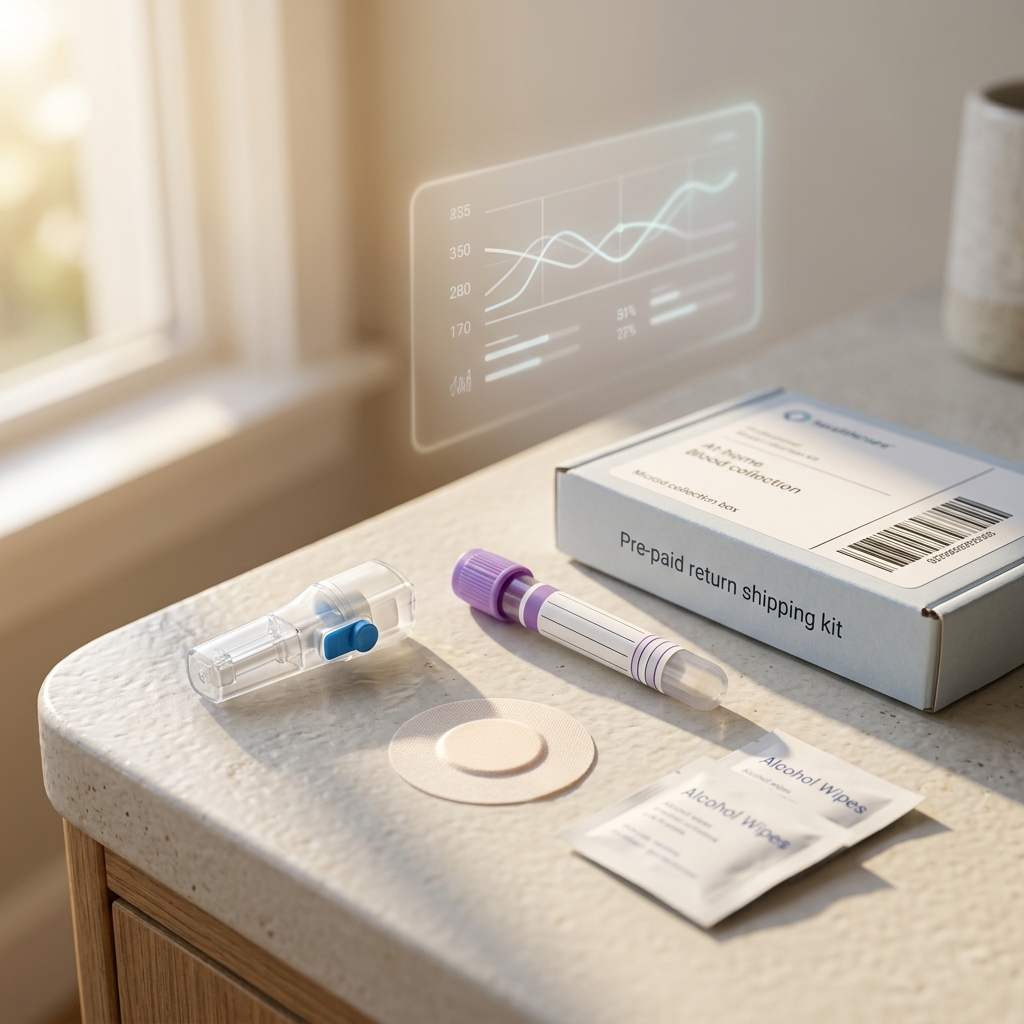
Traditional annual physicals typically test a narrow panel of markers and flag results only when values fall outside clinical reference ranges. This approach catches disease after it has developed but misses the gradual drift toward dysfunction that anti-aging biomarkers can reveal years earlier. A fasting glucose of 99 mg/dL is technically "normal" but already signals prediabetic metabolic shifts that accelerate biological aging. Comprehensive biomarker testing captures these subtle trends and gives you the data to intervene before symptoms appear.
Aging Reversal Strategies That Move the Needle
Knowing which biomarkers to track is half the equation. The other half is applying targeted lifestyle changes that directly influence those markers. The following strategies are backed by clinical evidence and can produce measurable improvements in biological age within months when applied consistently.
Nutrition, Exercise, and Sleep as Core Levers
Dietary patterns rich in polyphenols, omega-3 fatty acids, and fiber consistently lower CRP and improve metabolic health markers. The Mediterranean diet, in particular, has been linked to reduced biological age in multiple longitudinal studies. Eliminating ultra-processed foods and refined sugars addresses insulin resistance directly, which is one of the most responsive markers to dietary intervention.
Exercise exerts powerful effects on nearly every biomarker associated with aging. Resistance training preserves lean muscle mass and improves insulin sensitivity, while regular aerobic exercise lowers resting heart rate, reduces blood pressure, and improves lipid profiles. Research on biomarkers of aging shows that even moderate increases in weekly activity levels can slow down biological aging at the cellular level. The minimum effective dose appears to be around 150 minutes of moderate-intensity activity per week, with additional benefits from incorporating two to three resistance sessions.
Sleep quality is the most underrated factor in biological age reversal. Poor sleep elevates cortisol, disrupts glucose regulation, increases inflammatory markers, and impairs immune function. Prioritizing seven to nine hours of quality sleep, maintaining a consistent schedule, and optimizing your sleep environment (cool, dark, screen-free) can meaningfully shift CRP, HbA1c, and hormonal markers within weeks. These longevity lifestyle changes compound over time and become visible in your biomarker trends when tracked consistently.
Stress Management and Its Measurable Impact
Chronic psychological stress accelerates biological aging through sustained cortisol elevation, which damages telomeres and drives chronic inflammation. Studies connecting social determinants of health to accelerated biological aging confirm that stress management is not optional for anyone pursuing longevity. Evidence-based practices like mindfulness meditation, breathwork, and regular time in nature have been shown to lower cortisol, reduce CRP, and improve heart rate variability, a key marker of autonomic nervous system resilience.
The practical challenge is consistency. Building a 10 to 20 minute daily stress-reduction practice yields far greater results than occasional weekend retreats. Pairing stress management with periodic biomarker testing allows you to verify that your subjective sense of calm corresponds to actual physiological improvement. This closes the feedback loop between effort and outcome, which is the core principle of data-driven health optimization.
How to Track Progress and Verify Results
Lifestyle changes without measurement are guesswork. The ability to reverse aging naturally depends on having a reliable feedback system that shows whether your interventions are working, stalling, or need adjustment. This is where regular biomarker testing becomes essential rather than optional.
Building a Testing Cadence That Works
A baseline comprehensive panel establishes your starting point. From there, retesting every three to six months provides enough time for lifestyle changes to register in your blood chemistry while catching negative trends early. The key is choosing a testing service that covers a broad enough panel to capture the markers most relevant to aging: inflammation, metabolism, hormonal balance, and organ function.
Biomi offers biological age testing in Canada through comprehensive panels that include 60 or more biomarkers, covering the cardiovascular, thyroid, hormonal, and metabolic markers that matter most for longevity. Their Peak plan specifically compares your biological age to your chronological age, giving you a single number that reflects the net effect of all your health behaviors. Having physician-reviewed results and a longitudinal dashboard means you can track the direction and velocity of change over time, not just a static snapshot.
Interpreting Your Results for Actionable Next Steps
Raw biomarker values are only useful when you understand which direction they need to move and how much change is clinically meaningful. A drop in CRP from 3.0 to 1.0 mg/L represents a significant reduction in systemic inflammation. A shift in HbA1c from 5.8% to 5.3% signals genuine metabolic improvement. Learning to read these trends is a skill that compounds, and it transforms longevity medicine from an abstract concept into a personal practice.
The most effective approach is to focus on one or two lagging markers per testing cycle. If your CRP is elevated, prioritize anti-inflammatory dietary changes and sleep optimization for the next three months. If your fasting glucose is creeping upward, increase resistance training and reduce refined carbohydrate intake. This targeted method produces faster, more measurable results than trying to overhaul everything at once. Biomi's biological age testing framework supports this kind of iterative improvement by showing exactly where your efforts are paying off.
Conclusion
Lowering your biological age is not a matter of luck or genetics alone. It requires identifying the specific biomarkers that reflect aging, applying evidence-based changes to nutrition, exercise, sleep, and stress management, and then verifying your progress through regular testing. The most powerful insight in modern preventive health is that biological aging is modifiable, and the tools to measure and manage it are now accessible to anyone willing to take a proactive approach. Start with a comprehensive biomarker panel, establish your baseline, and treat every subsequent test as a progress report on your longevity.
Frequently Asked Questions (FAQs)
Can you reverse biological age?
Yes, clinical studies have demonstrated that targeted lifestyle interventions, including improved diet, regular exercise, quality sleep, and stress reduction, can measurably reduce biological age within months.
What biomarkers indicate aging?
Key aging biomarkers include C-reactive protein, HbA1c, fasting insulin, lipid particle counts, DHEA-S, albumin, and kidney function markers like creatinine, all of which reflect systemic aging when they trend outside optimal ranges.
Can lifestyle changes reduce biological age?
Lifestyle changes are the most effective and accessible way to reduce biological age, with nutrition, exercise, sleep, and stress management each independently shown to improve the blood biomarkers used to calculate it.
How do you measure biological age?
Biological age is measured by running a comprehensive blood panel through validated algorithms like PhenoAge or Klemera-Doubal, which compare your biomarker values to population-level data to estimate your physiological age.
How accurate are biological age tests?
Blood-based biological age tests using validated algorithms are clinically accurate predictors of health outcomes and mortality risk, though accuracy improves with more comprehensive panels covering 50 or more biomarkers.
Is biological age testing available in Canada?
Biological age testing is available across Canada through providers like Biomi, which offers comprehensive biomarker panels with at-home blood collection, physician-reviewed results, and longitudinal tracking dashboards.
Which is better: epigenetic test or blood biomarker age test?
Epigenetic tests measure DNA methylation patterns for a molecular-level age estimate, while blood biomarker tests assess functional organ and metabolic health, and the two approaches are complementary rather than competing for a complete picture of aging.
À propos de l'auteur

Medical Research Content Advisor
Combines medical research and functional medicine expertise to create educational content on health biomarkers, disease prevention, and longevity.
Articles connexes
- Biological Age Blood Test: What It Measures and Why It Matters
Curious about your biological age blood test results? Explore key biomarkers, what they reveal, and how to start optimizing your longevity today.
- At-Home Blood Draw for Health Testing in Calgary: How It Works
Discover how at-home blood draw testing works in Calgary, from booking to physician-reviewed results. Book your mobile blood collection today.
- What Is Biomi? Biomarker Testing and Biological Age Explained
Discover what Biomi is and how biomarker tracking reveals your biological age vs chronological age. Start your health journey today.
- Home Blood Draw: What to Expect Before Your Appointment
Booking a home blood test? Learn exactly what to expect before your appointment, from prep tips to physician-reviewed results with Biomi.
- What Is Longevity Testing? How It Works and What to Expect
Curious about longevity testing? Learn how this biomarker blood test works, what to expect, and how it reveals your biological age. Start today.
Lire l'article: Biological Age Blood Test: What It Measures and Why It MattersLire l'article: At-Home Blood Draw for Health Testing in Calgary: How It WorksLire l'article: What Is Biomi? Biomarker Testing and Biological Age ExplainedLire l'article: Home Blood Draw: What to Expect Before Your AppointmentLire l'article: What Is Longevity Testing? How It Works and What to Expect