English
How Chronic Inflammation Accelerates Aging and How to Stop It

Introduction
Chronic inflammation operates like a slow leak in the foundation of your health. Unlike the redness and swelling you notice after a cut or sprain, this type of low-grade inflammation persists quietly for months or years, gradually damaging tissues and accelerating biological decline. Researchers have coined the term inflammaging to describe this intersection of inflammation and aging, and it is now recognized as a central driver of cardiovascular disease, metabolic dysfunction, and premature cellular deterioration. For health-conscious Canadians who rely on standard annual checkups, the problem is that most routine panels never measure the specific markers that reveal this hidden process. Understanding how chronic inflammation works, and what you can do about it, is one of the most consequential steps in protecting long-term health.
Understanding Chronic Inflammation and Its Biological Impact
Acute inflammation is a precise, time-limited defense mechanism. Your immune system dispatches white blood cells and inflammatory cytokines to a site of injury or infection, neutralizes the threat, and then resolves the response. Chronic inflammation is a fundamentally different phenomenon: the immune system remains partially activated without a clear target, releasing a steady drip of pro-inflammatory molecules that erode healthy tissue over time.
The Shift from Protective Response to Persistent Damage
Several factors can push the body from healthy immune surveillance into a state of persistent, low-grade inflammation. These triggers accumulate quietly and often overlap, compounding their impact on cellular health.
Visceral fat accumulation: Adipose tissue around the organs actively secretes inflammatory molecules like interleukin-6 and tumor necrosis factor-alpha, making metabolic inflammation a constant background signal.
Gut barrier dysfunction: A compromised intestinal lining allows bacterial fragments to enter the bloodstream, triggering immune responses that persist as long as the barrier remains permeable.
Chronic psychological stress: Sustained cortisol elevation dysregulates immune cell function, shifting the balance toward pro-inflammatory activity even in the absence of physical injury.
Sleep deprivation: Consistently sleeping fewer than six hours per night elevates C-reactive protein and other circulating markers, creating a feedback loop that worsens both sleep quality and immune balance.
Environmental toxin exposure: Air pollution, industrial chemicals, and processed food additives introduce foreign compounds that the immune system continually attempts to neutralize.
How Inflammaging Damages Cells and Tissues
Once the inflammatory cascade becomes chronic, damage accumulates through several interconnected pathways. Elevated inflammatory cytokines accelerate telomere shortening, the gradual erosion of protective caps on chromosomes that serves as one of the most reliable markers of biological aging. Simultaneously, persistent immune activation increases oxidative stress, generating reactive oxygen species that damage DNA, proteins, and lipid membranes in every organ system.
Research published in Nature demonstrates that this process also impairs cellular senescence pathways, causing damaged cells to resist normal programmed death and instead accumulate in tissues where they secrete their own inflammatory signals. This creates a self-reinforcing cycle: inflammation breeds senescent cells, and senescent cells breed more inflammation. Over the years, the cumulative effect manifests as arterial stiffening, insulin resistance, cognitive decline, and the constellation of conditions typically attributed to "normal" aging.
Detecting and Reducing Chronic Inflammation
The challenge with chronic inflammation is its invisibility. You can carry elevated inflammatory markers for a decade without experiencing any obvious symptoms. By the time conditions like cardiovascular disease or type 2 diabetes are diagnosed, the underlying inflammatory damage has been compounding silently. This is why inflammation testing in Canada and elsewhere is becoming a cornerstone of preventive health strategies.
Biomarkers That Reveal the Hidden Fire
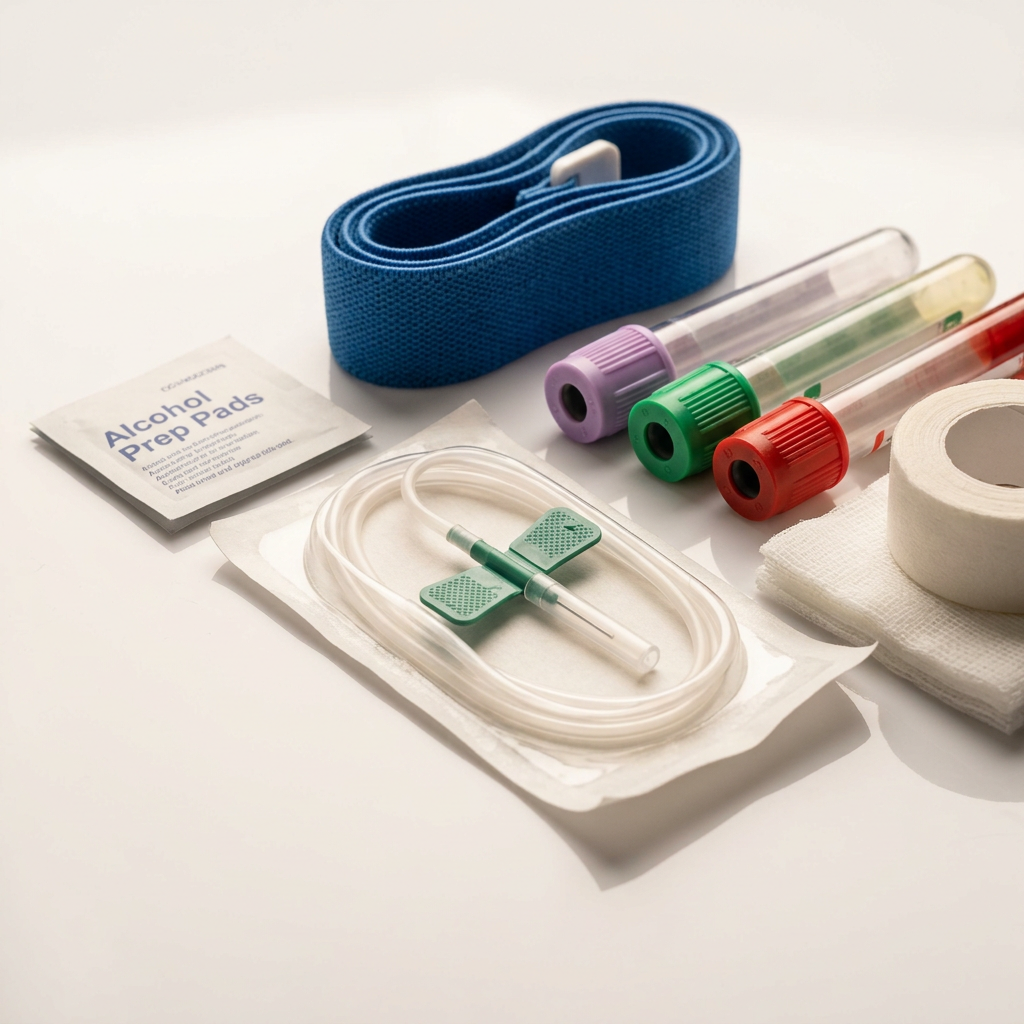
The best inflammation blood tests go beyond what a standard annual physical typically includes. High-sensitivity C-reactive protein (hs-CRP) is the most widely validated marker, reflecting systemic inflammation levels and serving as a strong independent predictor of cardiovascular risk. Values below 1.0 mg/L indicate low risk, while readings above 3.0 mg/L signal a significantly elevated inflammatory state. However, hs-CRP alone provides an incomplete picture.
A comprehensive panel should also include interleukin-6 (IL-6), which sits upstream of CRP production and responds more quickly to changes in inflammatory status. Fibrinogen, ferritin, and homocysteine each capture different dimensions of the inflammatory response, from cardiovascular inflammation to iron-mediated oxidative stress. Tracking these markers longitudinally, rather than relying on a single snapshot, reveals trends that are far more actionable than any isolated reading. Understanding the differences between CRP and ESR as inflammation markers also helps contextualize results and avoid misinterpretation.
Biomi's Peak plan, for example, covers sixty biomarkers, including key inflammatory and metabolic markers, and compares biological versus chronological age to help quantify how inflammation may be affecting the rate at which your body is actually aging. This kind of data transforms a vague concern about "inflammation" into a measurable, trackable health metric.
Actionable Strategies to Reduce Inflammation
Reducing chronic inflammation does not require drastic interventions. The most effective approaches target the root causes identified above: diet, movement, sleep, and stress management. On the dietary front, the strongest evidence supports a pattern rich in omega-3 fatty acids (wild salmon, sardines, walnuts), polyphenol-dense fruits and vegetables (berries, leafy greens, beets), and fermented foods that support gut barrier integrity. These function as a natural anti-inflammatory toolkit, modulating immune signaling at the cellular level without the gastrointestinal risks associated with long-term NSAID use.
Exercise acts as a powerful inflammation regulator through a mechanism that may seem counterintuitive. Each bout of moderate-intensity activity temporarily elevates inflammatory markers, but the recovery phase triggers an adaptive anti-inflammatory response that lowers baseline levels over time. Research indicates that regular moderate exercise reduces hs-CRP by 20 to 30 percent within weeks, making it one of the most accessible tools for inflammation prevention. The threshold is achievable: 150 minutes per week of brisk walking, cycling, or swimming delivers measurable results.
Sleep optimization deserves equal emphasis. During deep sleep stages, the body downregulates inflammatory gene expression and clears metabolic waste from the brain through the glymphatic system. Prioritizing seven to eight hours of quality sleep, maintaining a consistent schedule, and limiting evening blue light exposure each contribute to lowering biological age by reducing the chronic inflammatory burden that accumulates from sleep debt.
Stress management rounds out the intervention framework. Chronic psychological stress keeps the hypothalamic-pituitary-adrenal axis activated, which sustains inflammatory signaling even when diet and exercise are optimized. Practices like structured breathwork, mindfulness meditation, and regular exposure to nature have demonstrated measurable reductions in inflammatory cytokine levels across controlled studies. The key is consistency, as sporadic relaxation does not counteract daily cortisol elevation.

Conclusion
Chronic inflammation is not an inevitable consequence of getting older. It is a measurable, modifiable biological process that responds to targeted changes in diet, exercise, sleep, and stress management. The critical first step is visibility: you cannot reduce what you cannot measure, which is why tracking key biomarkers over time transforms abstract health goals into concrete, data-driven action plans. By combining regular inflammation monitoring with evidence-based lifestyle adjustments, you gain the ability to intervene years before chronic disease takes hold. The relationship between inflammation and longevity is one of the clearest in modern preventive medicine, and acting on it is well within reach.
Explore Biomi's biomarker testing plans to start tracking your inflammation markers and take a proactive approach to long-term health.
Frequently Asked Questions (FAQs)
Why is chronic inflammation dangerous?
Chronic inflammation silently damages blood vessels, organs, and cellular DNA over the years, increasing the risk of heart disease, diabetes, neurodegeneration, and cancer before symptoms ever appear.
How does inflammation affect aging?
Persistent inflammatory signaling accelerates telomere shortening, promotes cellular senescence, and increases oxidative damage, all of which drive biological aging faster than chronological time alone.
How to reduce inflammation naturally?
An anti-inflammatory diet rich in omega-3s and polyphenols, 150 minutes of weekly moderate exercise, seven to eight hours of quality sleep, and consistent stress management practices are the most evidence-backed natural strategies.
Can inflammation be reversed?
Yes, studies show that sustained lifestyle changes can significantly lower inflammatory biomarkers like hs-CRP and IL-6 within weeks to months, effectively reversing the trajectory of chronic low-grade inflammation.
What is the best blood test for inflammation in Canada?
A comprehensive panel including high-sensitivity C-reactive protein, interleukin-6, fibrinogen, ferritin, and homocysteine provides the most complete picture of systemic inflammation and is available through preventive health services across Canada.
About the author

Senior Health Content Strategist
Specializes in preventive health, biomarker analysis, and longevity science.
Related articles
- Biological Age Blood Test: What It Measures and Why It Matters
Curious about your biological age blood test results? Explore key biomarkers, what they reveal, and how to start optimizing your longevity today.
- At-Home Blood Draw for Health Testing in Calgary: How It Works
Discover how at-home blood draw testing works in Calgary, from booking to physician-reviewed results. Book your mobile blood collection today.
- What Is Biomi? Biomarker Testing and Biological Age Explained
Discover what Biomi is and how biomarker tracking reveals your biological age vs chronological age. Start your health journey today.
- Home Blood Draw: What to Expect Before Your Appointment
Booking a home blood test? Learn exactly what to expect before your appointment, from prep tips to physician-reviewed results with Biomi.
- What Is Longevity Testing? How It Works and What to Expect
Curious about longevity testing? Learn how this biomarker blood test works, what to expect, and how it reveals your biological age. Start today.
Read article: Biological Age Blood Test: What It Measures and Why It MattersRead article: At-Home Blood Draw for Health Testing in Calgary: How It WorksRead article: What Is Biomi? Biomarker Testing and Biological Age ExplainedRead article: Home Blood Draw: What to Expect Before Your AppointmentRead article: What Is Longevity Testing? How It Works and What to Expect