English
Preventive Care vs Reactive Care: Why Early Screening Wins
Par Dr. Emily Carter

Introduction
Most Canadians interact with the healthcare system only after something goes wrong. A persistent cough, an abnormal lump, unexplained fatigue: these symptoms trigger a chain of appointments, referrals, and diagnostic tests that can stretch across months. This reactive model catches problems late, often when treatment is more invasive and more expensive. Preventive health screening flips that sequence entirely, using baseline data and biomarker trends to flag risks before they become diagnoses. The gap between these two approaches is not philosophical; it is measurable in outcomes, costs, and years of healthy life.
Understanding the Two Models of Care
The distinction between preventive care and reactive care goes deeper than timing. Each model operates on a fundamentally different philosophy about when, why, and how healthcare resources should be deployed, and the downstream consequences of each choice compound over decades.
What Reactive Care Actually Looks Like
Reactive care is the default mode for most Canadian adults. You feel fine, so you skip the doctor. Eventually, a symptom surfaces that you cannot ignore, and the diagnostic process begins. According to research published in the Canadian Medical Association Journal, wait times for specialist consultations and follow-up imaging continue to be a structural challenge in Canada's publicly funded system. By the time a condition like Type 2 diabetes or cardiovascular disease is caught reactively, organ-level changes have often already occurred.
Symptom dependency: Treatment is initiated only after noticeable symptoms disrupt daily function
Higher intervention costs: Late-stage diagnoses typically require medications, surgeries, or long-term management programs that dwarf the cost of early screening
Emotional toll: Receiving a serious diagnosis without warning creates significant psychological distress and decision-making pressure
Lost prevention window: Many chronic conditions have a 5- to 15-year preclinical phase where lifestyle changes alone could alter the trajectory
The Preventive Model and Its Foundation in Data
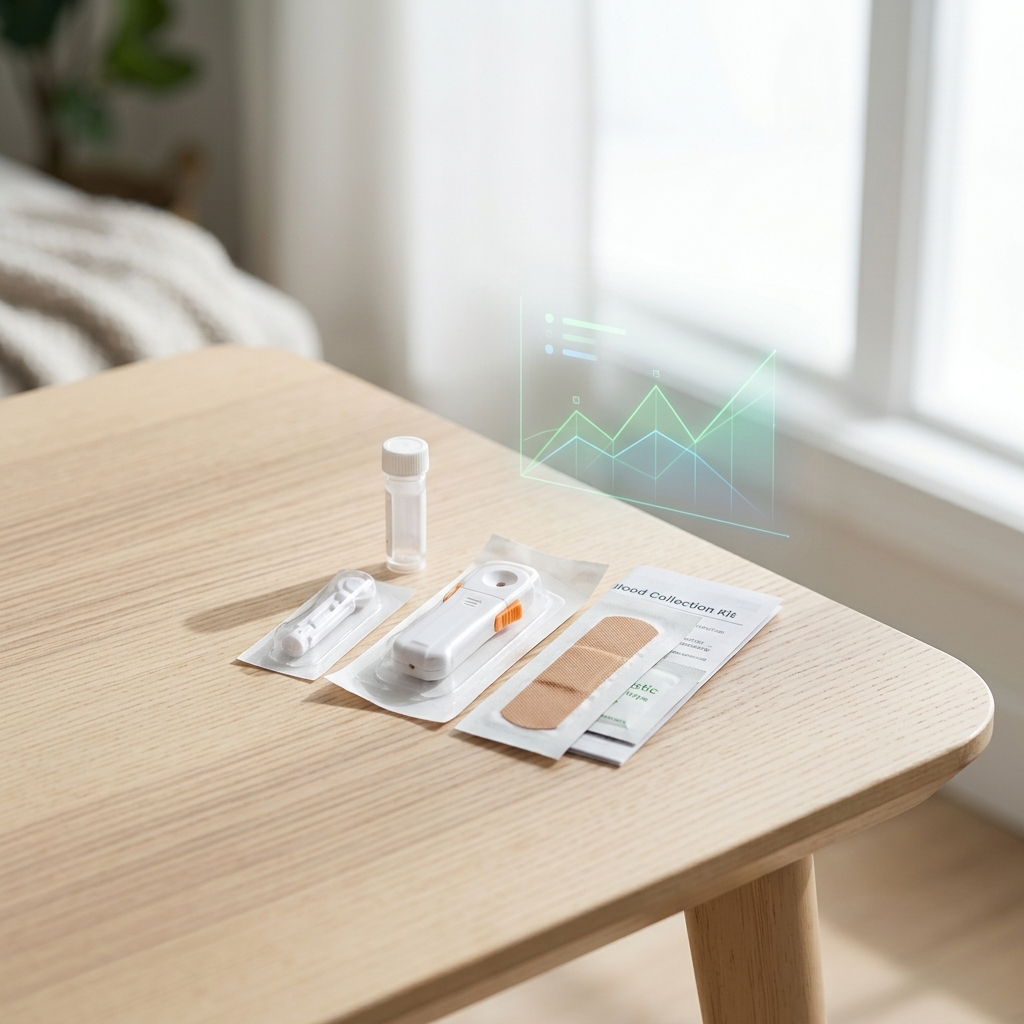
Preventive care services operate on the principle that the body broadcasts warning signals long before clinical symptoms appear. Elevated fasting insulin, shifting lipid ratios, rising inflammatory markers, and declining vitamin D levels are all detectable through comprehensive blood panels well in advance of a formal diagnosis. The value of a health risk assessment lies in capturing these signals at their earliest, most reversible stage. Rather than waiting for disease, proactive health monitoring treats the absence of symptoms as an opportunity to verify, not assume, that everything is functioning well.
Why Early Disease Detection Changes Outcomes
The case for early screening is not built on intuition. It is grounded in decades of clinical evidence showing that the timing of detection directly correlates with treatment success, survival rates, and quality of life across nearly every major chronic condition.
The Biomarker Advantage
Consider HbA1c, a biomarker that reflects average blood sugar over the previous two to three months. A reading of 5.7% to 6.4% signals prediabetes, a stage where dietary changes and exercise can prevent progression to full diabetes. Yet most people never learn their HbA1c level until their fasting glucose is already elevated enough to trigger a reactive diagnosis. Tracking key biomarkers for long-term health creates a running record that reveals trends invisible in any single snapshot.
The same principle applies to cardiovascular risk. Apolipoprotein B (ApoB) and high-sensitivity C-reactive protein (hsCRP) can indicate arterial inflammation and atherogenic particle burden years before a stress test would reveal anything abnormal. Research published in Nature's Signal Transduction and Targeted Therapy underscores that multi-biomarker panels improve the accuracy of early disease detection compared to single-marker screening. When you understand the difference between optimal and normal biomarker ranges, the entire paradigm shifts from "Am I sick?" to "Am I performing at my best?"
Financial and Systemic Cost Savings
One of the strongest arguments for preventive health plans is economic. The Canadian government's modernization initiative for preventive care guidelines acknowledges the need to shift resources upstream, toward screening and early intervention. Treating a heart attack costs the system tens of thousands of dollars in emergency care, rehabilitation, and ongoing medications. Catching elevated lipids and insulin resistance a decade earlier might require nothing more than quarterly lab work and a structured nutrition plan.
For employers, the math is equally clear. Absenteeism, disability claims, and reduced productivity from chronic disease represent a massive drag on organizational performance. Preventive health programs that reduce the risk of chronic disease generate returns not just in reduced claims but also in employee engagement and retention. Companies investing in wellness testing to establish a real health baseline for their teams see measurable improvements in workforce vitality within the first year.

Conclusion
The contrast between preventive care and reactive care is not subtle. Reactive medicine treats consequences; preventive screening addresses causes. For health-conscious Canadians, especially professionals managing demanding schedules, waiting for symptoms is a strategy that trades short-term convenience for long-term risk. Investing in regular health screenings, tracking biomarker trends over time, and acting on early signals is the most reliable way to protect both health span and quality of life. Biomi makes that investment accessible through physician-reviewed preventive health testing across Canada, turning complex lab data into a clear, actionable plan you can follow from home.
Explore Biomi's preventive screening plans at biomi.ca and take the first step toward data-driven health optimization.
Frequently Asked Questions (FAQs)
What is preventive health care?
Preventive health care is the practice of using screenings, lab tests, and lifestyle assessments to identify health risks before symptoms develop, allowing for earlier and less invasive interventions.
Why is preventive health important?
Preventive health is important because many chronic conditions, including heart disease, diabetes, and certain cancers, have long preclinical phases where early detection and lifestyle changes can prevent progression entirely.
Can preventive care reduce healthcare costs?
Yes, preventive care can significantly reduce healthcare costs by catching conditions at stages where treatment involves low-cost interventions like dietary changes and monitoring rather than expensive emergency procedures or long-term medication.
How often should I get health screenings?
Most adults benefit from comprehensive biomarker screening every 6 to 12 months, though the ideal frequency depends on age, family history, existing risk factors, and the specific markers being tracked.
What does a preventive health screening include?
A preventive health screening typically includes a comprehensive blood panel measuring metabolic, cardiovascular, hormonal, and inflammatory biomarkers, along with physician-reviewed analysis and personalized health recommendations.
À propos de l'auteur

Senior Health Content Strategist
Specializes in preventive health, biomarker analysis, and longevity science.
Articles connexes
- Biological Age Blood Test: What It Measures and Why It Matters
Curious about your biological age blood test results? Explore key biomarkers, what they reveal, and how to start optimizing your longevity today.
- At-Home Blood Draw for Health Testing in Calgary: How It Works
Discover how at-home blood draw testing works in Calgary, from booking to physician-reviewed results. Book your mobile blood collection today.
- What Is Biomi? Biomarker Testing and Biological Age Explained
Discover what Biomi is and how biomarker tracking reveals your biological age vs chronological age. Start your health journey today.
- Home Blood Draw: What to Expect Before Your Appointment
Booking a home blood test? Learn exactly what to expect before your appointment, from prep tips to physician-reviewed results with Biomi.
- What Is Longevity Testing? How It Works and What to Expect
Curious about longevity testing? Learn how this biomarker blood test works, what to expect, and how it reveals your biological age. Start today.
Lire l'article: Biological Age Blood Test: What It Measures and Why It MattersLire l'article: At-Home Blood Draw for Health Testing in Calgary: How It WorksLire l'article: What Is Biomi? Biomarker Testing and Biological Age ExplainedLire l'article: Home Blood Draw: What to Expect Before Your AppointmentLire l'article: What Is Longevity Testing? How It Works and What to Expect