English
How At-Home Bloodwork Actually Works in Canada
Introduction
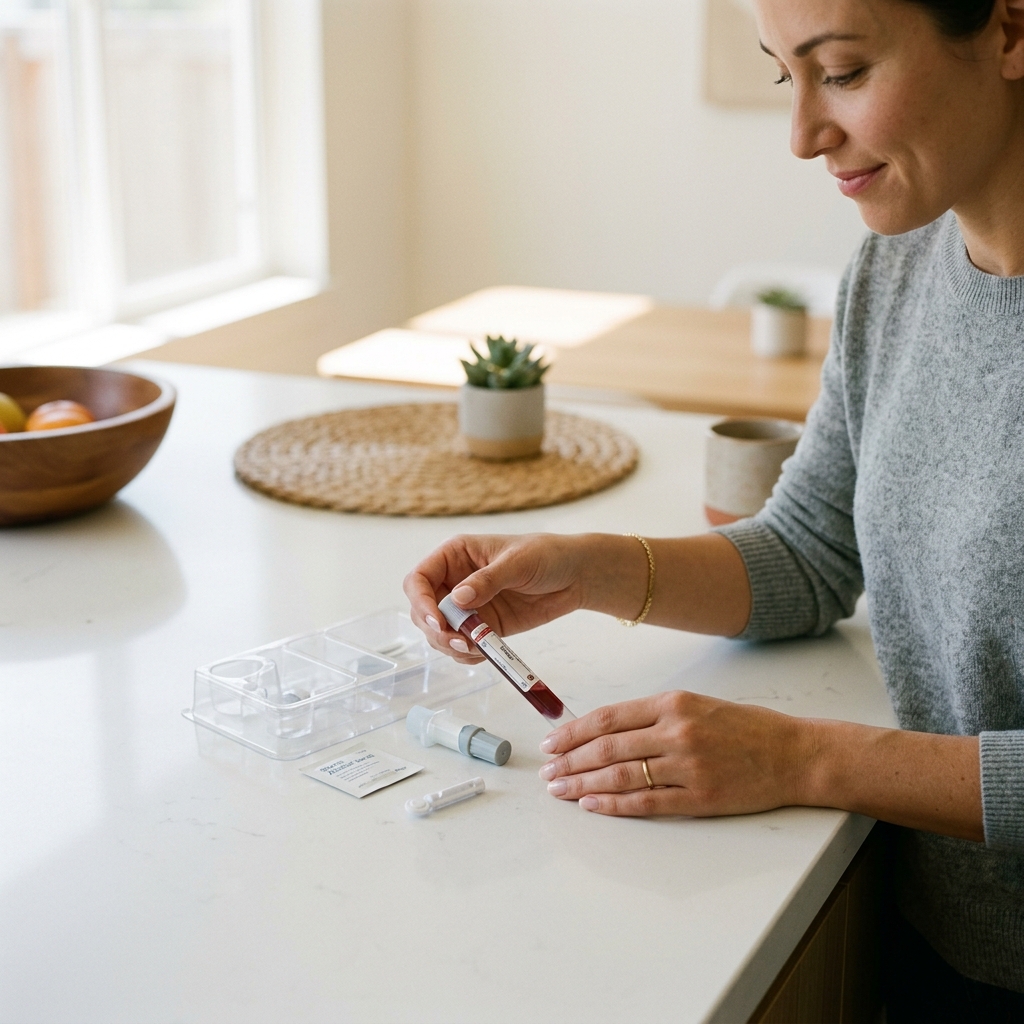
At-home bloodwork is reshaping how Canadians approach preventive health, yet many people still wonder what the experience actually looks like from start to finish. The concept of having a professional arrive at your door with a blood collection kit can feel unfamiliar when you have spent years sitting in clinic waiting rooms. Home blood testing removes the queues, the referral paperwork, and the scheduling headaches, but that convenience only matters if you trust the process behind it. The clinical standards backing these services are the same ones governing traditional laboratories, and understanding the full workflow is the fastest way to move from curiosity to confident action.
From Order to Doorstep: How the Process Begins
The journey starts with a few clicks, not a phone call to your family doctor. Ordering a blood test online through a preventive health platform takes about the same amount of time as placing a grocery delivery order, and the steps are designed to be intuitive, even if you have never done anything like this before.
Choosing Your Test Panel
Most reputable services offer tiered testing packages that range from basic metabolic snapshots to comprehensive panels covering sixty or more biomarkers. The key is selecting a panel that matches your health goals rather than ordering the broadest option available. Here is what a typical selection process involves:
Goal identification: Decide whether you want a general wellness overview, hormonal assessment, or deep-dive cardiovascular and thyroid screening.
Panel comparison: Review what each tier includes so you understand exactly which markers will be tested and why they matter.
Scheduling flexibility: Pick a date, time, and location that works for you, whether that is your kitchen table at 7 a.m. or your office during a lunch break.
Fasting guidance: Confirm whether your chosen panel requires fasting and receive clear prep instructions sent directly to your inbox.
What Happens When the Phlebotomist Arrives
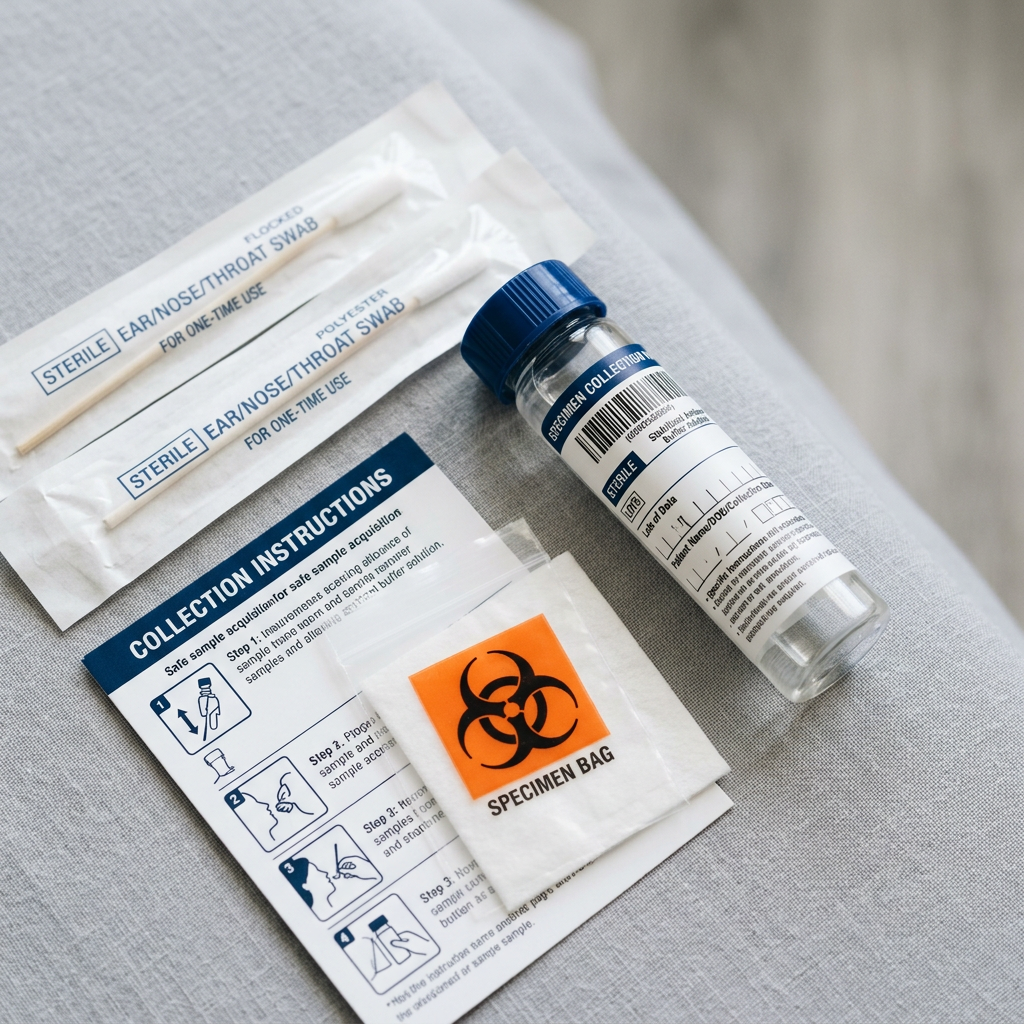
A certified phlebotomist, the same type of trained professional you would meet at any accredited lab, arrives at your chosen location carrying a sterile collection kit. The draw itself typically takes five to ten minutes. Samples are labelled with tamper-evident seals, placed in temperature-controlled transport packaging, and sent to a Canadian-accredited laboratory for processing. The entire visit, from unpacking the kit to walking out the door, rarely exceeds twenty minutes. For anyone who has spent an hour or more in a walk-in lab waiting room, the contrast is immediate and tangible.

Behind the Scenes: Lab Processing, Accuracy, and Your Results
Once your sample leaves your home, it enters the same clinical pipeline used by hospitals and physician offices across the country. Understanding what happens during this phase addresses the most common hesitation people have about a mobile blood testing service: whether the results can truly be trusted.
How Labs Maintain Clinical-Grade Accuracy
Canadian laboratories that process blood samples must comply with Health Canada's blood regulations, the same framework governing hospital lab work. Accreditation bodies audit equipment calibration, staff qualifications, and quality-control protocols on a regular cycle. This means a blood sample drawn in your living room and a sample drawn at a downtown clinic are analyzed using identical instruments, reagents, and reference ranges.
Sample integrity during transport is another area that raises questions. Reputable at-home services use insulated packaging and cold-chain logistics designed to keep specimens stable during transit. Phlebotomists follow strict chain-of-custody procedures so every vial is traceable from your arm to the analyzer. Research published through the National Library of Medicine has consistently shown that properly handled venous blood samples maintain diagnostic reliability regardless of collection setting.
Receiving and Understanding Your Results
Results are typically available within a few business days. The difference between at-home lab testing and a standard clinic visit often shows up most clearly at this stage. Rather than receiving a paper printout full of cryptic abbreviations, platforms like Biomi deliver physician-reviewed blood results online through a secure dashboard that translates raw numbers into plain-language health scores. Each biomarker comes with context explaining what it measures, where your value falls relative to optimal ranges, and what lifestyle factors can shift it in the right direction.
This physician review layer is critical. A licensed doctor examines every report before it reaches you, flagging anything that warrants follow-up and confirming that the data is clinically sound. You are not left to Google your cholesterol ratio at midnight. Instead, you receive a clear interpretation backed by medical expertise, which is the foundation of a good preventive health program.
Conclusion
At-home bloodwork in Canada follows the same clinical standards as traditional lab visits while removing the friction that keeps many people from testing regularly. From ordering a panel online to receiving physician-interpreted results on a secure dashboard, every step is designed around convenience without compromising accuracy. The process is especially valuable for anyone pursuing preventive health testing, where consistency and ease of access determine whether you actually follow through over months and years. Whether you are tracking blood biomarkers for the first time or building a longitudinal health profile, the at-home model puts the decision to act squarely in your hands.
Ready to see how your body is really doing? Explore Biomi's annual testing plans and book your first at-home blood test today.
Frequently Asked Questions (FAQs)
How does at-home bloodwork work?
You order a test panel online, a certified phlebotomist visits your chosen location to draw blood, and the sample is sent to an accredited Canadian lab for analysis before physician-reviewed results appear on your secure dashboard.
How accurate are home blood tests compared to in-clinic draws?
Home blood tests processed through accredited labs use identical equipment and quality-control protocols as hospital laboratories, making the results clinically equivalent when samples are properly handled during transport.
Is at-home blood collection convenient for people with busy schedules?
Yes, because you choose the date, time, and location for your appointment, the entire visit typically fits within a twenty-minute window at home or at your workplace.
What blood tests can I do at home in Canada?
Most panels available in traditional labs can be performed at home, including comprehensive metabolic panels, hormone and thyroid markers, cardiovascular risk indicators, and vitamin and mineral levels.
Are at-home blood tests available in Toronto and Vancouver?
Major providers operate across Canada's largest cities, including Toronto and Vancouver, with coverage expanding to additional urban and suburban areas as demand for convenient bloodwork grows.
About the author

Health & Wellness Editorial Team
Related articles
- Biological Age Blood Test: What It Measures and Why It Matters
Curious about your biological age blood test results? Explore key biomarkers, what they reveal, and how to start optimizing your longevity today.
- At-Home Blood Draw for Health Testing in Calgary: How It Works
Discover how at-home blood draw testing works in Calgary, from booking to physician-reviewed results. Book your mobile blood collection today.
- What Is Biomi? Biomarker Testing and Biological Age Explained
Discover what Biomi is and how biomarker tracking reveals your biological age vs chronological age. Start your health journey today.
- Home Blood Draw: What to Expect Before Your Appointment
Booking a home blood test? Learn exactly what to expect before your appointment, from prep tips to physician-reviewed results with Biomi.
- What Is Longevity Testing? How It Works and What to Expect
Curious about longevity testing? Learn how this biomarker blood test works, what to expect, and how it reveals your biological age. Start today.
Read article: Biological Age Blood Test: What It Measures and Why It MattersRead article: At-Home Blood Draw for Health Testing in Calgary: How It WorksRead article: What Is Biomi? Biomarker Testing and Biological Age ExplainedRead article: Home Blood Draw: What to Expect Before Your AppointmentRead article: What Is Longevity Testing? How It Works and What to Expect