English
How Preventive Health Programs Cut Chronic Disease Risk

Introduction
Chronic diseases account for the majority of deaths and healthcare spending in Canada, yet most of these conditions develop gradually over years, leaving a significant window for early intervention. Preventive health programs are designed to exploit that window by identifying risk factors long before symptoms appear. Unlike the traditional model of waiting for something to go wrong, these programs use structured screening, biomarker analysis, and data-driven guidance to keep people ahead of conditions like diabetes, heart disease, and metabolic dysfunction. For health-conscious professionals and employers investing in corporate wellness programs in Canada, understanding how chronic disease prevention actually works is the first step toward making smarter, longer-lasting health decisions. The gap between Canada's rising chronic disease burden and the tools already available to reduce it is wider than most people realize.
The Growing Chronic Disease Problem in Canada
Canada's healthcare system is increasingly strained by the prevalence of chronic conditions. According to federal surveillance data, incidence rates for conditions like diabetes, hypertension, and cardiovascular disease have climbed steadily over the past two decades. These are not sudden-onset illnesses. They are the cumulative result of lifestyle patterns, genetic predispositions, and environmental factors that compound silently over time. The reactive approach, treating disease after diagnosis, addresses symptoms but misses the upstream opportunity to prevent the condition entirely.
Why Reactive Medicine Falls Short
The standard model of care in Canada centres around annual physicals and symptom-triggered appointments. A patient feels fine, skips the doctor, and only books a visit when something feels wrong. By that point, the underlying condition may have been progressing for years. This is the core problem with preventive medicine vs reactive medicine: one waits for damage, while the other actively looks for warning signs. Consider the following limitations of the traditional approach:
Delayed detection: Standard checkups often rely on basic panels that miss early metabolic or hormonal shifts
Infrequent monitoring: Annual appointments provide only a single data point per year, making it nearly impossible to spot trends
Symptom dependency: Many chronic conditions, like prediabetes and early-stage thyroid dysfunction, produce no noticeable symptoms for years
Generic benchmarks: Lab results are typically measured against broad population averages rather than personalized optimal ranges
The Scale of What Is at Stake
The Public Health Agency of Canada reports that chronic diseases are responsible for roughly 89 per cent of all deaths in the country. Cardiovascular disease, cancer, respiratory illness, and diabetes dominate this landscape. Beyond the human cost, these conditions drive enormous economic losses through disability, absenteeism, and healthcare utilization. For employers, this translates directly into reduced productivity and escalating benefits costs. The question is not whether prevention is worth the investment; it is why so many organizations and individuals still default to a wait-and-see approach when the data overwhelmingly favors early action.
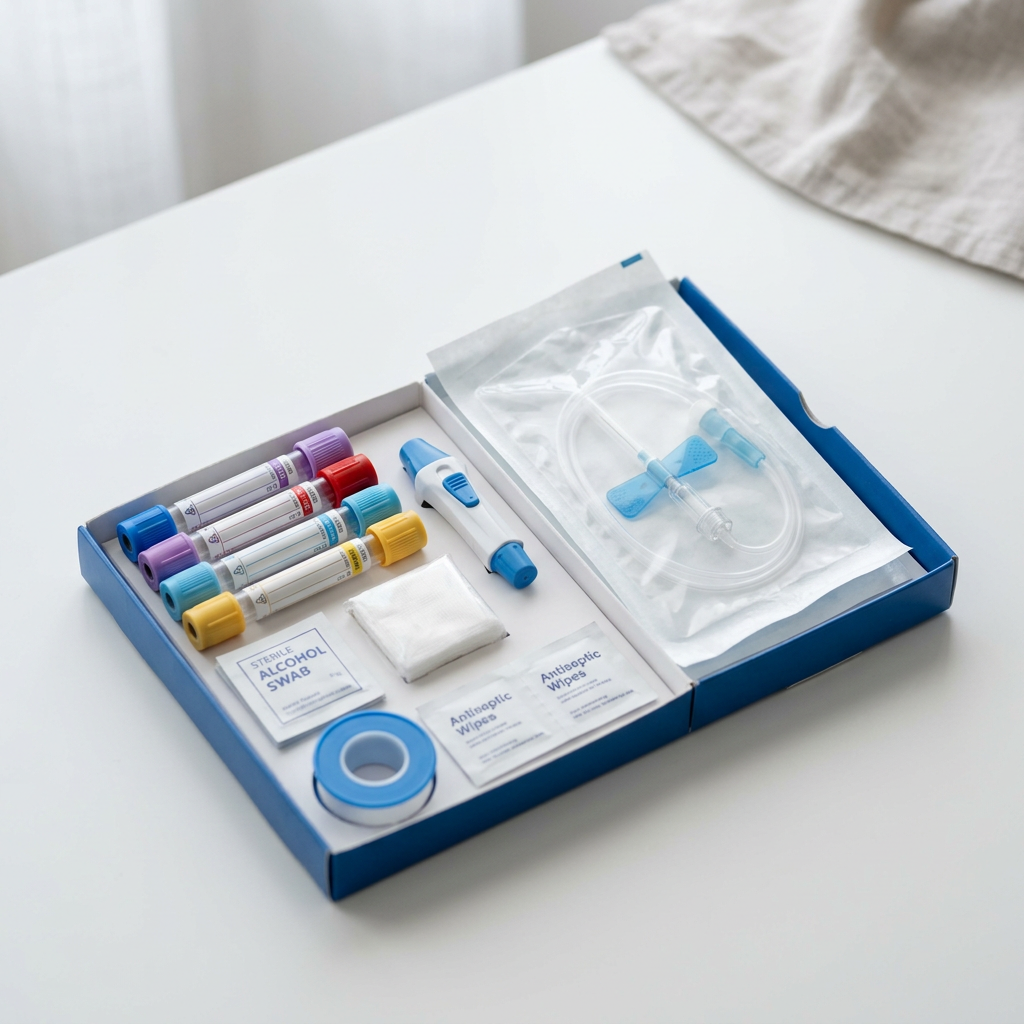
How Preventive Health Programs Actually Reduce Risk
Effective preventive care goes well beyond telling someone to eat better and exercise more. Structured programs combine regular screening, biomarker testing, personalized health risk assessment, and longitudinal tracking to create a continuous picture of each person's internal health. The goal is to detect subtle shifts in blood chemistry, metabolic function, and organ performance before those shifts become diagnosable conditions. When these programs are built around science-backed protocols, they fundamentally change the trajectory of chronic disease development.
The Role of Wellness Biomarkers and Early Detection
Biomarkers are measurable indicators found in blood, tissue, or other biological samples that reveal how the body is functioning at a cellular and systemic level. Tracking wellness biomarkers over time provides a granular view of health trends that a single annual blood panel simply cannot match. For instance, fasting glucose may appear normal on one test, but when tracked quarterly, a gradual upward trend can signal developing insulin resistance months or years before a diabetes diagnosis.
Early disease detection through biomarker tracking enables targeted interventions. If a lipid panel shows rising LDL cholesterol alongside declining HDL, dietary and lifestyle modifications can be implemented immediately rather than waiting until arterial plaque has accumulated. This is the practical advantage of proactive health monitoring: decisions are based on data trajectories, not isolated snapshots. Research published in peer-reviewed journals confirms that longitudinal tracking of key health markers significantly improves outcomes for conditions including cardiovascular disease, type 2 diabetes, and metabolic syndrome.
Preventive Screening in Practice
A well-designed preventive health screening program typically begins with a comprehensive baseline assessment. This means testing a broad panel of markers covering cardiovascular health, thyroid function, hormonal balance, liver and kidney performance, inflammation levels, and nutrient status. From there, regular follow-up panels track how those markers change in response to lifestyle, diet, stress, and other variables.
Platforms like Biomi make this process accessible by offering at-home blood collection, physician-reviewed results, and a secure dashboard for tracking changes over time. Rather than requiring multiple clinic visits and fragmented lab reports, users receive an integrated health score alongside personalized guidance on what to improve. This model of preventive care removes many of the logistical barriers that have historically prevented Canadians from engaging with their health proactively. For organizations, Biomi's employer solutions provide a streamlined way to offer this benefit across teams without complex administrative overhead.

Conclusion
Preventive health programs work because they replace guesswork with data and reaction with anticipation. By tracking key biomarkers over time, individuals and employers can identify emerging health risks far earlier than traditional checkups allow, creating space for targeted interventions that reduce chronic disease risk at its source. The shift from reactive to proactive care is not just a trend; it is a practical, evidence-based strategy that improves health span and reduces long-term healthcare costs. For anyone serious about health optimization in Canada, the best time to start tracking is before symptoms give you a reason to.
Explore Biomi's preventive health screening plans and take control of your health data at biomi.ca.
Frequently Asked Questions (FAQs)
Why is preventive health important?
Preventive health is important because it identifies risk factors and early warning signs before chronic conditions develop, allowing for timely interventions that are more effective and less costly than treating advanced disease.
How does preventive medicine work?
Preventive medicine works by using structured screenings, biomarker analysis, and ongoing health monitoring to detect physiological changes early, enabling targeted lifestyle or medical interventions before a disease diagnosis occurs.
What health markers should I track?
Key markers to track include fasting glucose, HbA1c, lipid panel components (LDL, HDL, triglycerides), thyroid hormones, inflammatory markers like CRP, vitamin D, iron, and hormonal indicators relevant to your age and sex.
How do preventive screenings save money?
Preventive screenings save money by catching health issues at a stage where low-cost lifestyle changes or early treatments can resolve them, avoiding the expensive hospitalizations and ongoing medication costs associated with advanced chronic disease.
What makes preventive care different from traditional checkups?
Traditional checkups typically assess current symptoms using basic tests at a single point in time, while preventive care uses comprehensive biomarker panels tracked longitudinally to identify emerging risks and guide personalized health strategies before symptoms appear.
About the author

Health & Wellness Editorial Team
Related articles
- Biological Age Blood Test: What It Measures and Why It Matters
Curious about your biological age blood test results? Explore key biomarkers, what they reveal, and how to start optimizing your longevity today.
- At-Home Blood Draw for Health Testing in Calgary: How It Works
Discover how at-home blood draw testing works in Calgary, from booking to physician-reviewed results. Book your mobile blood collection today.
- What Is Biomi? Biomarker Testing and Biological Age Explained
Discover what Biomi is and how biomarker tracking reveals your biological age vs chronological age. Start your health journey today.
- Home Blood Draw: What to Expect Before Your Appointment
Booking a home blood test? Learn exactly what to expect before your appointment, from prep tips to physician-reviewed results with Biomi.
- What Is Longevity Testing? How It Works and What to Expect
Curious about longevity testing? Learn how this biomarker blood test works, what to expect, and how it reveals your biological age. Start today.
Read article: Biological Age Blood Test: What It Measures and Why It MattersRead article: At-Home Blood Draw for Health Testing in Calgary: How It WorksRead article: What Is Biomi? Biomarker Testing and Biological Age ExplainedRead article: Home Blood Draw: What to Expect Before Your AppointmentRead article: What Is Longevity Testing? How It Works and What to Expect