English
How to Check Fasting Glucose Levels Accurately at Home
Introduction
To check fasting glucose accurately at home, you need to fast for 8 to 12 hours, use a validated collection method, and follow strict sample handling steps. Fasting glucose reflects how your body regulates blood sugar in a resting state, making it one of the earliest indicators of insulin resistance and prediabetes risk. Yet small mistakes, such as drinking coffee before the test or squeezing the fingertip too hard, can shift results by 10 percent or more. The gap between a reliable reading and a misleading one often comes down to preparation, not the device itself.
Key Takeaways:
Fast for 8 to 12 hours with only water before testing to avoid glucose spikes from food, drinks, or stimulants.
Finger-prick meters are useful for trends, but lab-grade venous or capillary samples deliver diagnostic accuracy.
A normal fasting glucose for Canadian adults falls between 4.0 and 5.5 mmol/L, per Diabetes Canada thresholds.
Preparing for an Accurate Fasting Glucose Test
Preparation carries as much weight as the test itself. Even the most precise blood glucose level monitor will produce misleading numbers if the body is not in a true fasted state, so the hours before your reading matter more than most people realize.
The Fasting Window and What Counts as Fasting
A proper fasting glucose blood test requires 8 to 12 hours without caloric intake. Coffee, gum, mints, and even flavoured water can trigger insulin responses that distort the reading. Following fasting requirements before blood tests is the single most important step for reliability.
Water: Plain water is allowed and encouraged to keep veins hydrated for cleaner samples.
Medications: Take prescribed medications only if your physician has confirmed they will not affect glucose.
Exercise: Skip intense workouts the morning of the test since they can temporarily raise blood sugar.
Sleep: Aim for 7 to 8 hours the night before, as poor sleep elevates cortisol and glucose.
Alcohol: Avoid alcohol for at least 24 hours before, since it interferes with hepatic glucose output.
Timing, Technique, and Common Mistakes
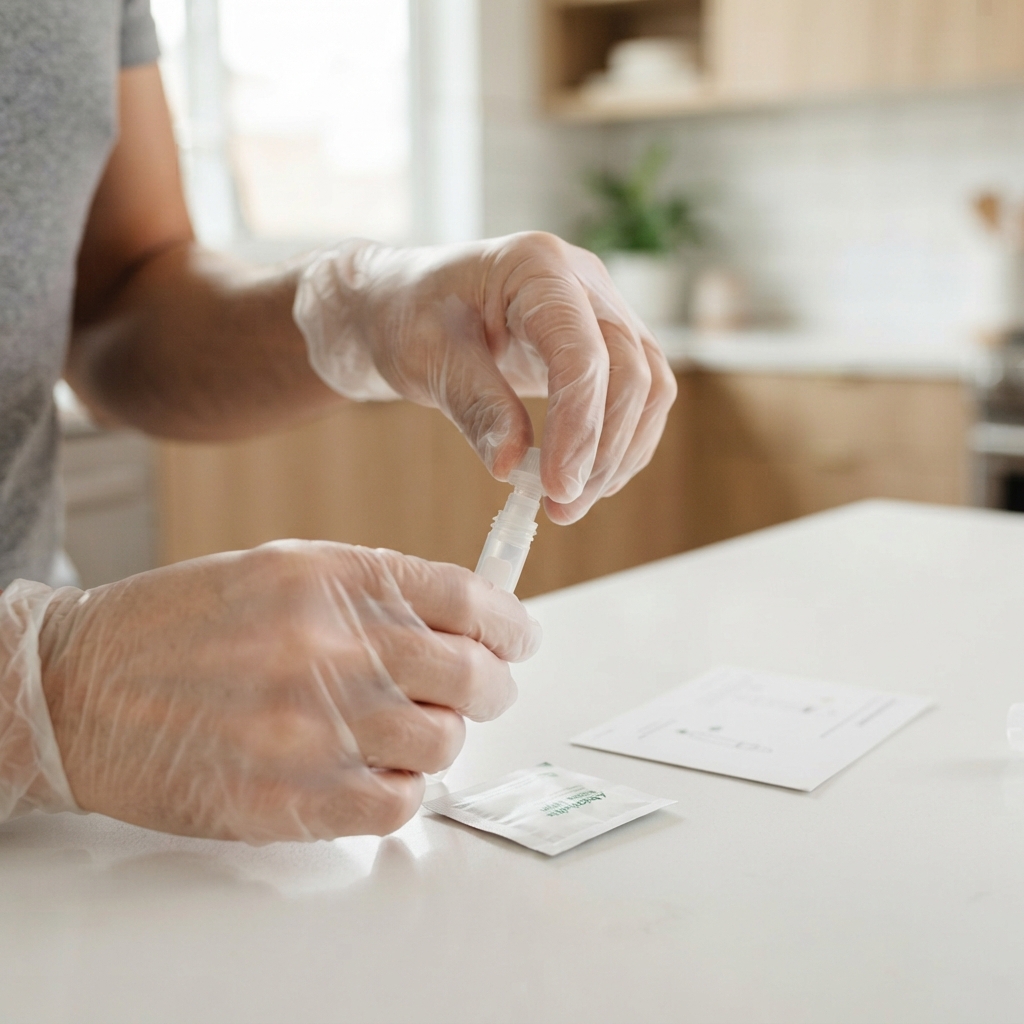
Morning testing between 6 and 9 AM aligns with standard clinical protocols and reduces variability caused by circadian shifts. For finger-prick meters, wash your hands with warm water, dry them fully, and use the side of the fingertip rather than the pad. Discard the first drop of blood and use the second, since the first can contain interstitial fluid that dilutes the sample. Reviewing high fasting glucose causes can help you understand why some morning readings run higher than expected.

Choosing the Right Testing Method
Not all fasting glucose tests are equal. The right method depends on whether you need a quick daily snapshot, a diagnostic-grade result, or a full metabolic picture for long-term tracking.
Comparing At-Home Options Side by Side
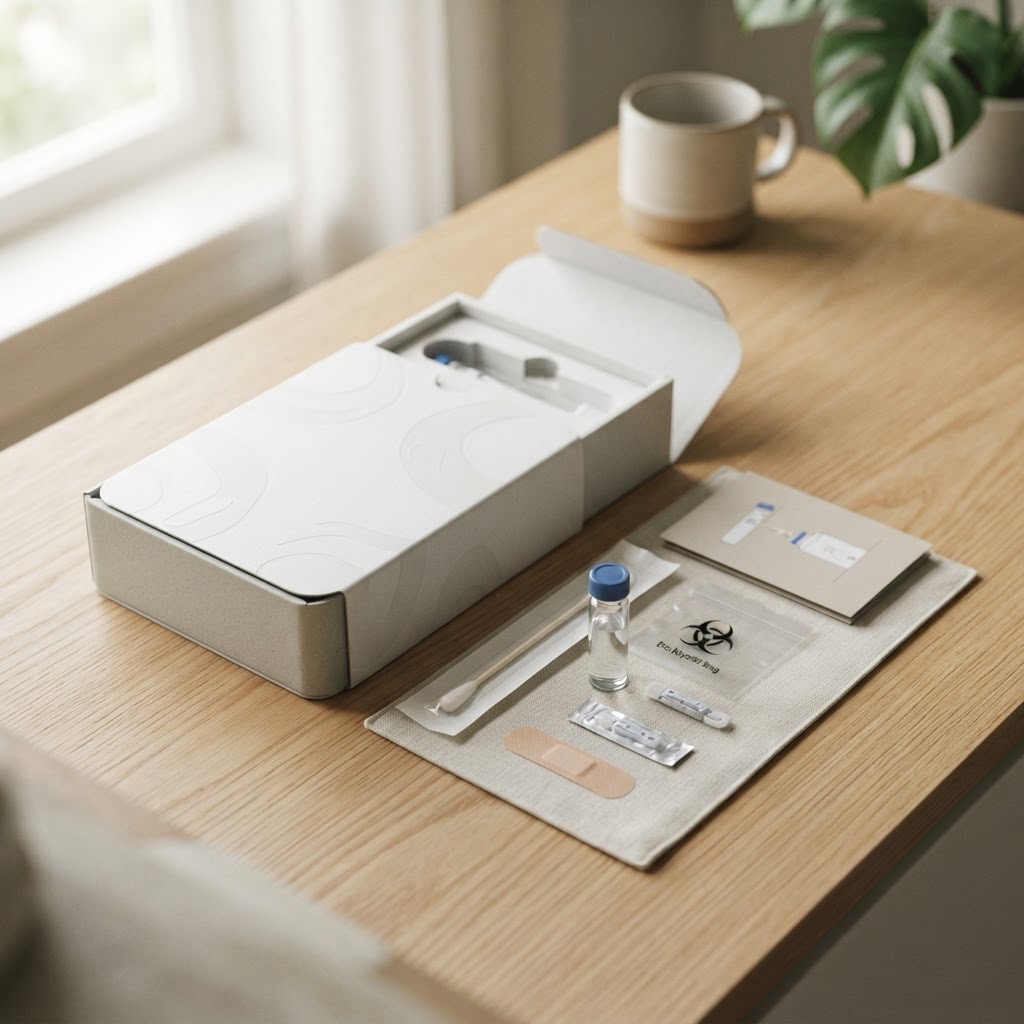
The three most common methods for checking fasting blood sugar levels differ in accuracy, cost, and clinical value. This comparison highlights which option fits which goal, especially if you are weighing a finger-prick meter against a lab-grade at-home blood glucose collection kit.
Method | Accuracy | Best For | Physician Review | Cost Range (CAD) |
|---|---|---|---|---|
Finger-Prick Meter | ±10-15% | Daily trend tracking | No | $30-$80 device |
Continuous Glucose Monitor | ±8-10% | Real-time variability | Sometimes | $80-$120/month |
At-Home Lab Collection Kit | Lab-grade (±2%) | Diagnostic accuracy | Yes | $100-$400/panel |
Clinic Venous Draw | Lab-grade (±2%) | Physician-ordered testing | Yes | Covered or $50-$100 |
Consumer meters shine for tracking meal responses and daily patterns, but they cannot replace lab-grade reference testing when you need a diagnostic-level answer. If your goal is to establish a baseline or catch early metabolic drift, a physician-reviewed lab panel gives you numbers you can act on with confidence. Services like Biomi pair at-home collection with clinical-grade analysis, closing the accuracy gap that consumer devices leave open.
Interpreting Your Fasting Glucose Result
Diabetes Canada defines a normal fasting glucose for Canadian adults as 4.0 to 5.5 mmol/L, prediabetes as 6.1 to 6.9 mmol/L, and diabetes as 7.0 mmol/L or higher on two separate tests. A single elevated reading is not a diagnosis, but a repeated reading above 5.5 mmol/L warrants follow-up. Reviewing your result alongside normal fasting glucose ranges by age adds important context, since acceptable values shift slightly across life stages. Pairing fasting glucose with HbA1c gives a fuller view, because HbA1c reflects average blood sugar over roughly three months rather than a single moment.
Conclusion
Accurate fasting glucose testing at home is straightforward once you respect the fundamentals: a full 8 to 12 hour fast, proper morning timing, clean sample technique, and a testing method matched to your goal. Consumer meters help with daily awareness, but lab-grade collection kits deliver the precision needed for real preventive decisions. Interpreting your number against Canadian thresholds, and ideally alongside HbA1c and other metabolic markers, transforms a single data point into meaningful insight. For readers focused on improving metabolic health, consistent measurement paired with physician review is the practical path forward.
Ready to move beyond guesswork and see your full metabolic picture? Explore Biomi's physician-reviewed at-home biomarker panels to check your fasting glucose alongside 60+ markers that shape long-term health.
Frequently Asked Questions (FAQs)
How to check fasting glucose levels at home?
Fast for 8 to 12 hours with only water, then use either a validated finger-prick meter or a lab-grade at-home collection kit first thing in the morning for the most accurate reading.
How do I prepare for a fasting glucose blood test?
Avoid all food, caloric drinks, coffee, alcohol, and intense exercise for at least 8 hours beforehand, and drink water to stay hydrated for a cleaner sample.
Is my fasting blood sugar level considered healthy?
Diabetes Canada considers 4.0 to 5.5 mmol/L a healthy fasting glucose range for adults, with 6.1 to 6.9 mmol/L indicating prediabetes and 7.0 mmol/L or higher suggesting diabetes on repeated testing.
What does a high fasting glucose reading mean for my health?
A consistently elevated fasting glucose can signal insulin resistance, prediabetes, or diabetes, and should be confirmed with a repeat test plus HbA1c under physician review.
What is the difference between glucose and HbA1c testing?
Fasting glucose captures a single point-in-time reading, while HbA1c reflects your average blood sugar over the past two to three months, giving a broader picture of glucose control.
Can at-home blood tests provide medical-grade glucose data?
Yes, at-home collection kits processed by accredited laboratories deliver the same clinical accuracy as in-clinic venous draws when the sample is collected and shipped correctly.
How does Biomi help manage fasting glucose from home?
Biomi offers physician-reviewed at-home biomarker panels that include fasting glucose along with dozens of related markers, with results tracked longitudinally through a secure dashboard.
About the author

Senior Health Content Strategist
Specializes in preventive health, biomarker analysis, and longevity science.
Related articles
- Biological Age Blood Test: What It Measures and Why It Matters
Curious about your biological age blood test results? Explore key biomarkers, what they reveal, and how to start optimizing your longevity today.
- At-Home Blood Draw for Health Testing in Calgary: How It Works
Discover how at-home blood draw testing works in Calgary, from booking to physician-reviewed results. Book your mobile blood collection today.
- What Is Biomi? Biomarker Testing and Biological Age Explained
Discover what Biomi is and how biomarker tracking reveals your biological age vs chronological age. Start your health journey today.
- Home Blood Draw: What to Expect Before Your Appointment
Booking a home blood test? Learn exactly what to expect before your appointment, from prep tips to physician-reviewed results with Biomi.
- What Is Longevity Testing? How It Works and What to Expect
Curious about longevity testing? Learn how this biomarker blood test works, what to expect, and how it reveals your biological age. Start today.
Read article: Biological Age Blood Test: What It Measures and Why It MattersRead article: At-Home Blood Draw for Health Testing in Calgary: How It WorksRead article: What Is Biomi? Biomarker Testing and Biological Age ExplainedRead article: Home Blood Draw: What to Expect Before Your AppointmentRead article: What Is Longevity Testing? How It Works and What to Expect