English
Hemoglobin Levels by Age and Gender: Normal Ranges Explained

Introduction
Hemoglobin is one of the most frequently measured biomarkers in routine bloodwork, yet many people walk away from their results unsure of what the numbers actually mean. A hemoglobin blood test measures the oxygen-carrying protein inside red blood cells, and its normal range shifts depending on age, biological sex, and individual health factors. This makes a single "normal" number misleading without proper context. Understanding where your hemoglobin levels fall relative to your specific demographic is one of the most practical steps toward catching issues like anemia, chronic fatigue, or iron deficiency before they become serious.
What Hemoglobin Is and Why It Matters
Hemoglobin is a complex protein found in red blood cells that binds to oxygen in the lungs and delivers it to tissues throughout the body. It also plays a secondary role in transporting carbon dioxide back to the lungs for exhalation. When hemoglobin concentrations drop too low, cells receive less oxygen, which leads to fatigue, dizziness, shortness of breath, and reduced cognitive performance. When levels run too high, blood viscosity increases, raising the risk of clotting events. Either extreme signals that something in the body needs attention, making this a biomarker worth tracking carefully.
How Hemoglobin Differs From Related Markers
Blood panels often include several related measurements alongside hemoglobin, which can create confusion during interpretation. Understanding the distinction between these markers helps put your results in perspective.
Hemoglobin vs hematocrit: Hematocrit measures the percentage of blood volume occupied by red blood cells, while hemoglobin measures the concentration of the oxygen-carrying protein itself.
Hemoglobin vs red blood cells: Red blood cell count tells you how many cells are present, but hemoglobin reveals whether those cells are adequately loaded with oxygen-transport protein.
Hemoglobin and iron levels: Iron is a raw material required to produce hemoglobin, so low iron stores often lead to low hemoglobin, though the two are measured separately.
Mean Corpuscular Hemoglobin (MCH): This metric calculates the average amount of hemoglobin per individual red blood cell, helping distinguish between different types of anemia.
Why Normal Ranges Vary by Demographics
The hemoglobin range considered "normal" is not a single universal number. Biological sex creates one of the most significant splits: testosterone stimulates erythropoiesis (red blood cell production), which is why hemoglobin for men typically runs higher than hemoglobin for women. According to research published in medical literature, women maintain lower hemoglobin concentrations despite similar erythropoietin levels, largely due to hormonal and menstrual cycle-related iron losses. Age also matters. Newborns carry high hemoglobin levels from fetal circulation, which drop within the first few months and then gradually rise through childhood. After age 50, levels may naturally decline in both sexes due to reduced bone marrow activity and nutrient absorption changes.
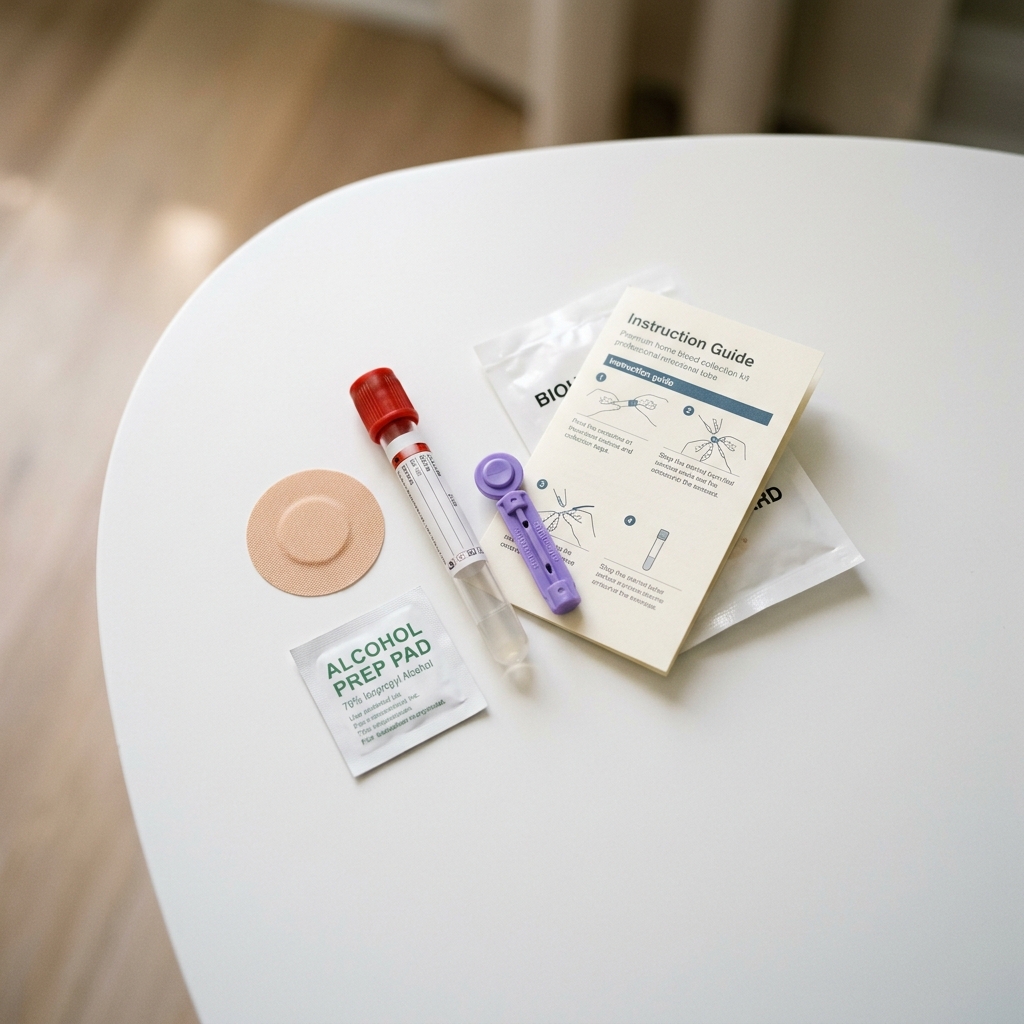
Normal Hemoglobin Levels by Age and Gender
Reference ranges can vary slightly between laboratories, but the values listed below reflect widely accepted clinical standards used across Canadian healthcare. The Medical Council of Canada's published normal lab values provide a reliable reference point for interpreting your results within a Canadian context.
Ranges for Adults and Older Adults
For adult men aged 18 and older, normal hemoglobin levels generally fall between 135 and 175 grams per litre (g/L). For adult women who are not pregnant, the typical range is 120 to 160 g/L. During pregnancy, normal values shift downward to approximately 110 to 140 g/L because of plasma volume expansion, a physiological adaptation that dilutes hemoglobin concentration without necessarily indicating a problem.
After age 65, a gradual decline is common. Many clinicians consider levels above 120 g/L for older women and above 130 g/L for older men to be acceptable, though optimal targets depend on overall health status. Tracking your key biomarkers for long-term health becomes especially valuable during these years, since subtle declines may precede symptoms by months or even years.
Ranges for Children, Adolescents, and Newborns
Newborns have the highest hemoglobin of any age group, often between 140 and 240 g/L in the first 24 hours, reflecting the oxygen-poor uterine environment they adapted to. By 2 to 6 months, levels drop to a physiological nadir of around 95 to 135 g/L before stabilizing. Children aged 6 to 12 typically range between 115 and 155 g/L. Adolescent ranges begin to diverge by sex around puberty, when rising testosterone levels in males drive higher red blood cell production. By age 15, male and female reference intervals essentially mirror adult ranges.

Interpreting Your Results and Taking Action
Knowing where your hemoglobin sits relative to the reference range is only the starting point. Context determines whether a particular value signals a genuine health concern, a temporary fluctuation, or an opportunity for optimization. A hemoglobin level at the low end of "normal" in someone experiencing chronic fatigue deserves different attention than the same value in someone who feels perfectly well.
When to Be Concerned
A hemoglobin reading below the lower limit of your demographic range may indicate anemia, which has many possible causes, including iron deficiency, vitamin B12 deficiency, chronic disease, or bone marrow disorders. Values below 70 g/L are generally considered clinically dangerous and may require transfusion. On the high end, levels consistently above 175 g/L in men or 160 g/L in women may point to polycythemia, dehydration, chronic hypoxia (often linked to smoking or altitude), or other conditions requiring investigation.
Iron deficiency remains the most common cause of low hemoglobin worldwide, especially among menstruating women, vegetarians, and endurance athletes. If your hemoglobin is low, your provider will likely check ferritin, serum iron, and total iron-binding capacity to assess iron stores. Understanding low hemoglobin levels in depth can help you have a more informed conversation with your physician about root causes and treatment options.
Building a Proactive Monitoring Habit
One-time snapshots of hemoglobin tell you where you are today, but trends over time reveal far more about the direction of your health. Preventive hemoglobin monitoring, done at regular intervals, helps identify gradual declines before they become clinically significant. This is particularly important for Canadians who may wait 12 months or longer between routine physicals and miss subtle shifts in their blood biomarkers.
Platforms like Biomi make this kind of longitudinal tracking practical by combining physician-reviewed bloodwork with personalized dashboards that display trends over time. Rather than interpreting a single lab report in isolation, you can observe how your hemoglobin responds to dietary changes, supplementation, training load, or seasonal variation. For those exploring a comprehensive blood panel, hemoglobin is almost always included alongside complementary markers like ferritin, MCV, and metabolic biomarkers that paint a fuller picture of overall health.
Conclusion
Hemoglobin levels are deeply personal, shaped by age, biological sex, pregnancy status, and individual physiology. Knowing that adult men typically range between 135 and 175 g/L while adult women range between 120 and 160 g/L is useful, but the real value comes from tracking your own numbers over time and understanding what shifts mean for your energy, recovery, and long-term wellness. Whether you are investigating persistent fatigue or simply optimizing performance, making hemoglobin part of your regular health monitoring routine gives you the data to act early rather than react late.
Explore how Biomi's biomarker tracking can help you monitor your hemoglobin and other key health markers at biomi.ca.
Frequently Asked Questions (FAQs)
What is the normal hemoglobin range for women?
For non-pregnant adult women, the normal hemoglobin range is typically 120 to 160 g/L, though values may sit slightly lower during pregnancy due to increased plasma volume.
What is the normal hemoglobin range for men?
Adult men generally have a normal hemoglobin range of 135 to 175 g/L, with testosterone-driven red blood cell production accounting for the higher values compared to women.
How does iron relate to hemoglobin?
Iron is an essential building block for hemoglobin production, so depleted iron stores (measured by ferritin) frequently lead to reduced hemoglobin concentrations and iron-deficiency anemia.
What hemoglobin level is dangerously low?
Hemoglobin below 70 g/L is generally considered dangerously low and may require urgent medical intervention, including blood transfusion, depending on the clinical context.
How often should hemoglobin be tested?
Most adults benefit from testing hemoglobin at least once or twice per year as part of a routine blood panel, though individuals with known conditions or risk factors may need more frequent monitoring.
About the author

Senior Health Content Strategist
Specializes in preventive health, biomarker analysis, and longevity science.
Related articles
- Biological Age Blood Test: What It Measures and Why It Matters
Curious about your biological age blood test results? Explore key biomarkers, what they reveal, and how to start optimizing your longevity today.
- At-Home Blood Draw for Health Testing in Calgary: How It Works
Discover how at-home blood draw testing works in Calgary, from booking to physician-reviewed results. Book your mobile blood collection today.
- What Is Biomi? Biomarker Testing and Biological Age Explained
Discover what Biomi is and how biomarker tracking reveals your biological age vs chronological age. Start your health journey today.
- Home Blood Draw: What to Expect Before Your Appointment
Booking a home blood test? Learn exactly what to expect before your appointment, from prep tips to physician-reviewed results with Biomi.
- What Is Longevity Testing? How It Works and What to Expect
Curious about longevity testing? Learn how this biomarker blood test works, what to expect, and how it reveals your biological age. Start today.
Read article: Biological Age Blood Test: What It Measures and Why It MattersRead article: At-Home Blood Draw for Health Testing in Calgary: How It WorksRead article: What Is Biomi? Biomarker Testing and Biological Age ExplainedRead article: Home Blood Draw: What to Expect Before Your AppointmentRead article: What Is Longevity Testing? How It Works and What to Expect