English
High Fasting Glucose Every Morning? Causes and How to Fix It

Introduction
Waking up to a high fasting glucose reading can be frustrating, especially when you ate a balanced dinner and went to bed feeling fine. For many health-conscious Canadians, this pattern repeats morning after morning, creating anxiety about prediabetes or metabolic decline. The reality is that fasting blood glucose levels are influenced by a complex interplay of hormones, sleep quality, and liver function that peaks in the early hours before you even open your eyes. Understanding what drives this morning spike is the first step toward distinguishing a harmless physiological response from an early metabolic warning sign that deserves attention.
Why Fasting Glucose Spikes in the Morning
The body does not simply power down during sleep. Overnight, a cascade of hormonal events actively regulates blood sugar to prepare you for the day ahead, and several of these mechanisms can push morning blood sugar higher than expected.
The Dawn Phenomenon and Hormonal Surges
Between roughly 3:00 a.m. and 8:00 a.m., the body releases a surge of counter-regulatory hormones, including cortisol, growth hormone, and glucagon. These hormones signal the liver to release stored glucose into the bloodstream, a process called hepatic glucose production, ensuring you have energy available upon waking. In people with normal insulin sensitivity, a corresponding rise in insulin keeps this glucose release in check. When insulin response is sluggish, however, blood sugar climbs unchecked throughout the early morning hours.
Cortisol peak: Cortisol naturally rises before dawn and reduces insulin sensitivity, allowing glucose to accumulate in the bloodstream.
Growth hormone: Released in pulses during deep sleep, growth hormone opposes insulin action and stimulates the liver to produce glucose.
Glucagon activity: The pancreas secretes glucagon overnight to prevent blood sugar from dropping too low, but overproduction can overshoot the target.
Insulin lag: In early-stage insulin resistance, the pancreas cannot mount a fast enough insulin response to counterbalance these hormonal signals.
Insulin Resistance and Metabolic Context
The dawn phenomenon is a normal part of human physiology. The problem emerges when underlying insulin resistance amplifies it. Someone in the prediabetes fasting glucose range (between 5.6 and 6.9 mmol/L) may experience morning readings that consistently exceed healthy thresholds because their cells resist the insulin signal more than usual. Over months and years, this pattern of metabolic biomarker elevation can progress silently. Fasting hyperglycemia in this context is less about a single bad morning and more about a trend your body is trying to communicate.
Hidden Lifestyle Triggers and How to Distinguish Them
Not every elevated morning reading points to the dawn effect or insulin resistance. Several modifiable lifestyle factors can independently raise fasting glucose, and identifying the right culprit determines whether the fix is medical or behavioral.
Sleep, Stress, and Late-Night Eating
Poor sleep quality directly disrupts glucose regulation. Research shows that even a single night of restricted or fragmented sleep can reduce insulin sensitivity by 25% or more the following day. Chronic sleep debt compounds the problem, creating a cycle where elevated cortisol from sleep deprivation feeds back into higher morning glucose readings. If your sleep and recovery biomarkers are consistently off, your fasting glucose test results will likely reflect that dysfunction.
Stress operates through a similar hormonal pathway. Psychological stress triggers cortisol release at any hour, and chronic stress keeps cortisol elevated even during the overnight period when it should be declining. For people managing demanding work schedules, this can mean arriving at a morning blood draw with cortisol levels that have been artificially high for hours. The result is a fasting glucose reading that looks worse than their actual metabolic health warrants.
Fasting Glucose vs HbA1c: Understanding the Full Picture
A single fasting blood glucose measurement captures a snapshot of one moment. HbA1c, by contrast, reflects average blood sugar over the previous two to three months by measuring the percentage of hemoglobin proteins that have bonded with glucose. Someone whose morning readings run high due to the dawn phenomenon might have a perfectly normal biomarker range on HbA1c, suggesting their daytime and post-meal glucose control is solid. Conversely, a person with borderline fasting readings and an elevated HbA1c may be dealing with a more systemic issue that extends beyond the morning hours. According to Diabetes Canada clinical guidelines, both markers together provide a more reliable assessment of diabetes risk than either one alone.

Practical Strategies to Lower Your Morning Readings
Once you understand the mechanism behind your elevated readings, you can target the right interventions. The following strategies address the most common and evidence-supported approaches for bringing fasting glucose down over time.
Dietary and Exercise Adjustments
Timing your last meal matters more than most people realize. Eating a large, carbohydrate-heavy dinner within two hours of bedtime gives the liver a fresh supply of glucose to store and then release overnight. Shifting your final meal to at least three hours before sleep, and emphasizing protein, healthy fats, and fiber over refined carbohydrates, can meaningfully blunt the overnight glucose dump. A small portion of apple cider vinegar diluted in water before bed has shown modest reductions in fasting glucose in some clinical studies, though results vary.
Regular exercise, particularly resistance training and post-dinner walks, improves insulin sensitivity at the cellular level. Even a 15-minute walk after your evening meal can lower the glycemic load your body processes overnight. Over weeks and months, regular exercise retrains the way your muscles absorb glucose, reducing the liver's need to compensate with its own production. If you are tracking key biomarkers for long-term health, you may notice that fasting glucose improvements lag behind other markers like triglycerides or inflammatory indicators, so patience and consistency are essential.
Sleep Optimization and Stress Management
Addressing sleep is not optional for anyone trying to fix high morning readings. Aim for seven to nine hours per night, maintain a consistent sleep schedule (even on weekends), and minimize blue light exposure in the hour before bed. Room temperature, darkness, and the elimination of caffeine after early afternoon all contribute to deeper sleep stages, which is where growth hormone release is most productive and insulin sensitivity has the best chance of resetting.
For stress, the most metabolically effective interventions include structured breathing exercises, meditation, and physical activity spread throughout the day rather than concentrated in a single session. Tracking your patterns over time through longitudinal biomarker monitoring reveals whether lifestyle changes are actually translating into lower fasting readings or whether a deeper evaluation is needed. Biomi offers exactly this kind of data-driven tracking, transforming isolated readings into trend lines that show whether your interventions are working. The frequency of biomarker testing matters here: quarterly checks tend to capture enough data points to separate real improvement from normal day-to-day variation.
When to Seek Medical Guidance
Not every morning glucose spike requires a doctor visit, but certain patterns should prompt a conversation with a healthcare provider. Consistently reading above 7.0 mmol/L on a fasting glucose test, especially when paired with symptoms like increased thirst, frequent urination, or unexplained fatigue, crosses the threshold from watchful monitoring into active medical assessment. Similarly, if lifestyle changes have been in place for three months or more without meaningful improvement in your readings, additional screening for insulin levels, HbA1c, or an oral glucose tolerance test may be warranted.
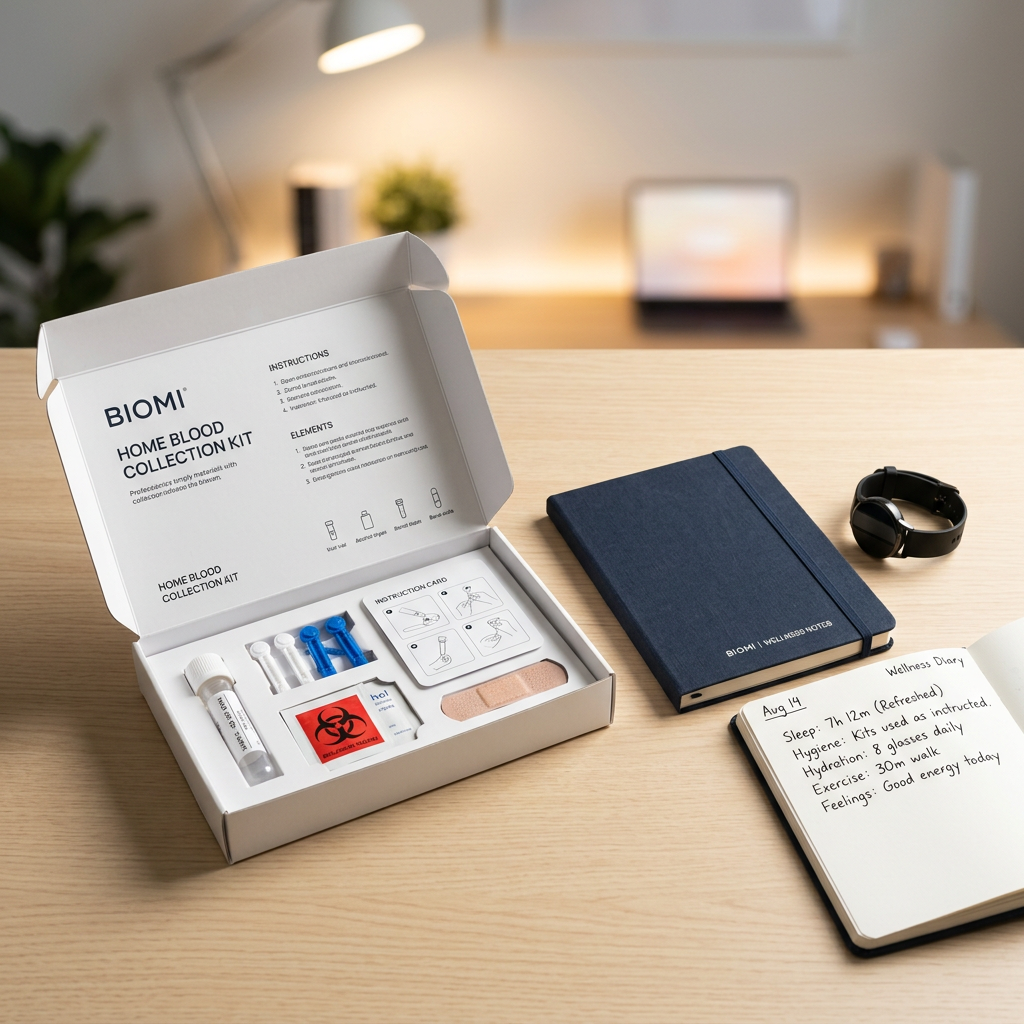
Fasting glucose screening in Canada is available through family physicians, walk-in clinics, and preventive health programs that integrate lab testing with lifestyle coaching. For those who want a comprehensive blood panel that goes well beyond glucose alone, at-home collection kits have made it possible to get physician-reviewed results without the wait times of traditional lab appointments. The goal is to catch metabolic drift early, before it becomes a clinical diagnosis.
Conclusion
High fasting glucose in the morning is rarely a reason to panic, but it is always a reason to pay attention. The causes range from the completely normal dawn phenomenon to early insulin resistance that benefits from targeted dietary, exercise, and sleep interventions. Pairing fasting glucose with HbA1c and tracking both over time gives you the clearest picture of where your metabolism actually stands. Taking a proactive approach through regular biomarker monitoring, whether through Biomi's longitudinal tracking dashboard or routine lab work, puts you in the best position to spot trends early and course-correct before they escalate.
Start tracking your metabolic health with Biomi's at-home biomarker testing to see where your glucose trends are heading.
Frequently Asked Questions (FAQs)
Why is my fasting glucose high in the morning?
Your liver releases stored glucose overnight in response to hormonal surges from cortisol and glucagon, and if your insulin response is slow or blunted, blood sugar accumulates before you wake up.
Can fasting glucose predict diabetes?
Consistently elevated fasting readings between 5.6 and 6.9 mmol/L indicate prediabetes, making it one of the earliest predictive markers for the eventual development of type 2 diabetes.
How to lower fasting glucose?
Eating your last meal at least three hours before bed, exercising regularly (especially evening walks), improving sleep quality, and managing chronic stress are the most effective non-pharmaceutical strategies.
Is fasting glucose affected by stress?
Yes, psychological and physical stress elevate cortisol levels, which directly reduces insulin sensitivity and increases the liver's glucose output, often showing up as higher morning readings.
Is fasting glucose or HbA1c more accurate for diabetes risk?
Neither alone is sufficient; fasting glucose captures a real-time snapshot while HbA1c reflects a two-to-three-month average, so using both together provides the most reliable assessment of diabetes risk.
About the author

Medical Research Content Advisor
Combines medical research and functional medicine expertise to create educational content on health biomarkers, disease prevention, and longevity.
Related articles
- Biological Age Blood Test: What It Measures and Why It Matters
Curious about your biological age blood test results? Explore key biomarkers, what they reveal, and how to start optimizing your longevity today.
- At-Home Blood Draw for Health Testing in Calgary: How It Works
Discover how at-home blood draw testing works in Calgary, from booking to physician-reviewed results. Book your mobile blood collection today.
- What Is Biomi? Biomarker Testing and Biological Age Explained
Discover what Biomi is and how biomarker tracking reveals your biological age vs chronological age. Start your health journey today.
- Home Blood Draw: What to Expect Before Your Appointment
Booking a home blood test? Learn exactly what to expect before your appointment, from prep tips to physician-reviewed results with Biomi.
- What Is Longevity Testing? How It Works and What to Expect
Curious about longevity testing? Learn how this biomarker blood test works, what to expect, and how it reveals your biological age. Start today.
Read article: Biological Age Blood Test: What It Measures and Why It MattersRead article: At-Home Blood Draw for Health Testing in Calgary: How It WorksRead article: What Is Biomi? Biomarker Testing and Biological Age ExplainedRead article: Home Blood Draw: What to Expect Before Your AppointmentRead article: What Is Longevity Testing? How It Works and What to Expect