English
How Often Should You Track Blood Biomarkers for Real Results?

Introduction
Getting a single blood test offers a snapshot, but snapshots fade quickly. Blood biomarkers fluctuate with seasons, stress, sleep, diet, and dozens of other variables, which means one data point rarely tells a complete story. For Canadians serious about preventive health biomarkers, the question is not whether to test but how often to retest so that patterns emerge and interventions can be measured. The difference between guessing and knowing lies in cadence: the right retesting rhythm transforms static numbers into a dynamic health trajectory that actually guides decision-making.
Why Retesting Frequency Matters More Than a Single Result
A standard annual physical typically captures a narrow panel of markers at one moment in time. That model was designed to catch acute disease, not to optimize health or validate whether the new training protocol, supplement stack, or dietary shift is actually working. Biomarker tracking over time changes the entire paradigm from reactive to proactive, giving individuals the data they need to course-correct before problems escalate.
The Science Behind Biomarker Variability
Every biomarker has its own biological half-life, which determines how quickly its concentration changes in the blood. Understanding this variability is essential when deciding how frequently to retest. Several factors drive fluctuation:
Biological half-life: Markers like C-reactive protein shift within hours, while HbA1c reflects a three-month glucose average.
Circadian and seasonal rhythms: Cortisol peaks in the morning, and vitamin D levels drop significantly during Canadian winters.
Intervention lag time: Dietary changes may alter lipid panels within six to eight weeks, but hormonal shifts from resistance training take longer to register.
Individual physiology: Genetics, medications, and chronic conditions all affect how rapidly a biomarker responds to a given stimulus.
Annual Physicals vs. Active Tracking Cadences
The traditional once-a-year checkup was never designed for health optimization. A biomarker testing approach compared to an annual physical reveals a stark contrast: annual testing catches broad-stroke abnormalities, while quarterly or biannual panels let you see whether your fasting insulin is trending upward months before it crosses a clinical threshold. The Canadian Task Force on Preventive Health Care recommends periodic screening for conditions like type 2 diabetes, but their guidelines focus on disease detection, not on the kind of granular optimization that performance-minded individuals seek. Active tracking fills that gap by treating your bloodwork as a living dataset rather than a checkbox.
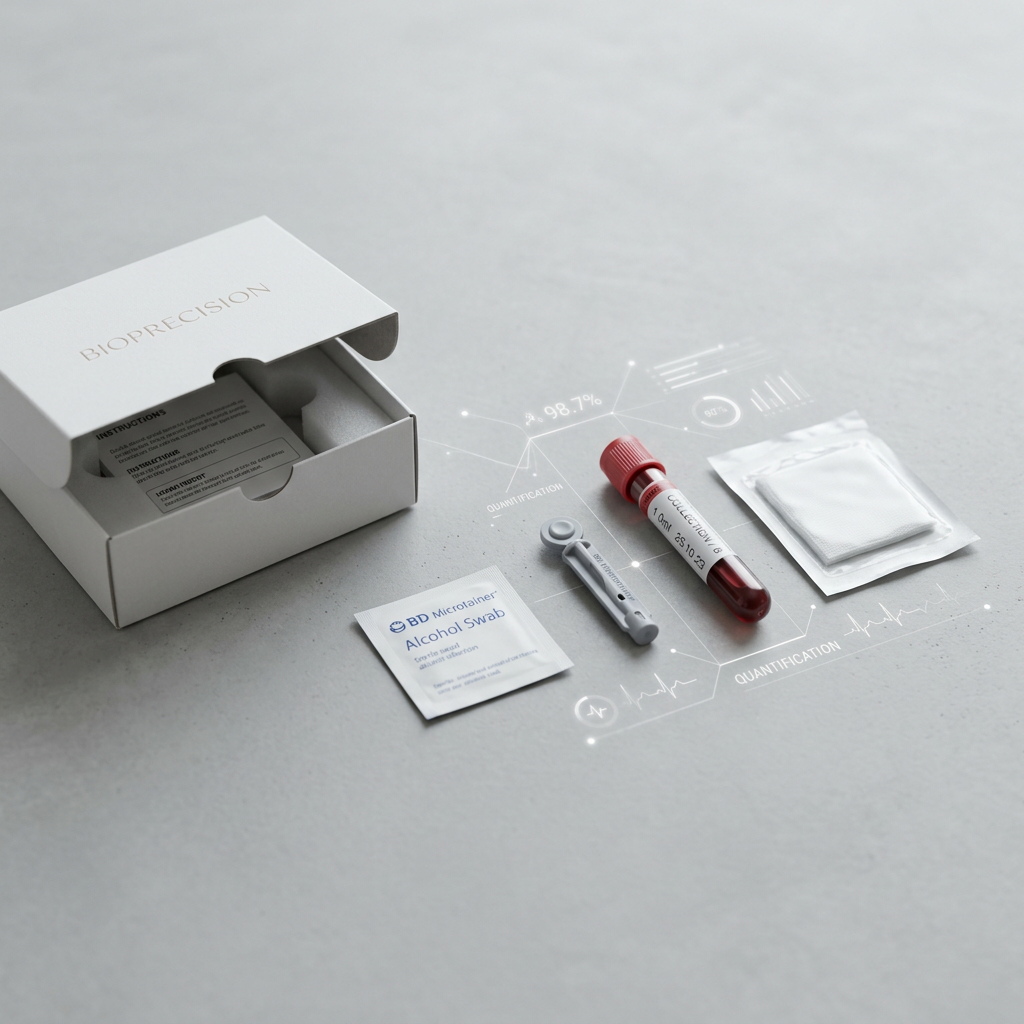
Recommended Retesting Timelines by Biomarker Category
Not all markers deserve the same cadence. A useful retesting schedule groups biomarkers by how quickly they respond to change, how clinically significant their fluctuations are, and what goal they serve. Below is a category-by-category breakdown that can be tailored to individual circumstances, from athletes chasing performance gains to professionals focused on long-term health priorities.
Metabolic, Hormonal, Inflammatory, and Cardiovascular Panels
Metabolic markers like fasting glucose, HbA1c, and insulin respond meaningfully over eight to twelve-week windows. If you have recently overhauled your diet or started a new medication, retesting at the three-month mark captures enough metabolic turnover to confirm whether the intervention is working. For most healthy individuals, testing metabolic panels two to three times per year provides sufficient resolution without unnecessary cost.
Hormonal biomarkers require particular attention to timing. Testosterone, estrogen, thyroid hormones (TSH, free T3, free T4), and DHEA-S all fluctuate with stress, sleep, and training load. Hormone testing is most informative when done quarterly during an active optimization phase, then scaled back to biannual once levels stabilize. Women should also account for menstrual cycle phase when scheduling hormone panels, as testing at inconsistent cycle points introduces noise that obscures real trends.
Inflammatory markers such as high-sensitivity CRP, interleukin-6, and ferritin can shift rapidly in response to acute illness, injury, or lifestyle changes. For individuals monitoring chronic low-grade inflammation, a quarterly cadence works well during the first year of intervention. After establishing a stable baseline, biannual retesting is typically sufficient unless symptoms change. Knowing your inflammation biomarker profile over time is one of the most actionable datasets available for disease prevention.
Cardiovascular panels, including ApoB, Lp(a), LDL particle count, and triglycerides, generally warrant testing every three to six months when actively managing lipid levels through diet, exercise, or statin therapy. Once targets are reached and stable across two consecutive tests, an annual or biannual retest maintains adequate oversight. Heart health biomarkers beyond cholesterol add resolution that a basic lipid panel misses entirely.
Personalizing Your Schedule Based on Goals
The right cadence ultimately depends on what you are trying to achieve. Athletes and high-performers tracking recovery, testosterone-to-cortisol ratios, or iron status may benefit from testing every six to eight weeks during competitive seasons, then dropping to quarterly testing during the off-season. Someone focused on longevity and chronic disease prevention can follow a biannual rhythm for most panels, with quarterly checks reserved for any marker that returned outside the optimal range. Health biomarker testing becomes most powerful when the schedule matches the pace of change in your life.
It also matters how you interpret results over time. A single elevated CRP reading could be a transient response to a hard training week or a lingering cold. Two elevated readings three months apart, however, signal a trend that demands attention. This is exactly where longitudinal biomarker data outperforms isolated snapshots, because it separates the signal. Platforms like Biomi are designed around this principle, providing a dashboard that maps your results across time so patterns become visible at a glance.

Conclusion
Tracking blood biomarkers once a year is better than not testing at all, but it leaves enormous gaps in the data that could guide meaningful health decisions. A smarter approach matches retesting cadence to the specific biomarker category, the intervention timeline, and your personal health goals. Start with a comprehensive blood panel as your baseline, retest the most dynamic markers at three-month intervals, and scale to biannual once trends stabilize. The goal is not more testing for its own sake; it is enough testing to validate what is working, catch what is not, and take action with confidence.
Explore Biomi's biomarker tracking plans at biomi.ca and start building a retesting schedule tailored to your health goals.
Frequently Asked Questions (FAQs)
How often should I track biomarkers?
Most individuals benefit from testing key panels every three to six months during active health interventions, then transitioning to biannual retesting once results stabilize within optimal ranges.
Can biomarkers predict health issues?
Yes, trending biomarker data can reveal early warning signals for conditions like insulin resistance, cardiovascular disease, and chronic inflammation well before clinical symptoms appear.
How do lifestyle changes affect biomarkers?
Dietary shifts, exercise habits, sleep improvements, and stress management can measurably alter metabolic, hormonal, and inflammatory markers within as little as six to twelve weeks.
What biomarkers should I test for performance?
Athletes and active individuals should prioritize testosterone, cortisol, ferritin, vitamin D, magnesium, sleep and recovery markers, and inflammatory markers like hsCRP to monitor training adaptation and recovery status.
Which biomarkers matter most for longevity?
HbA1c, fasting insulin, ApoB, hsCRP, vitamin D, and a preventive health testing panel covering thyroid and liver function are among the most evidence-supported markers for long-term healthspan.
About the author

Medical Research Content Advisor
Combines medical research and functional medicine expertise to create educational content on health biomarkers, disease prevention, and longevity.
Related articles
- Biological Age Blood Test: What It Measures and Why It Matters
Curious about your biological age blood test results? Explore key biomarkers, what they reveal, and how to start optimizing your longevity today.
- At-Home Blood Draw for Health Testing in Calgary: How It Works
Discover how at-home blood draw testing works in Calgary, from booking to physician-reviewed results. Book your mobile blood collection today.
- What Is Biomi? Biomarker Testing and Biological Age Explained
Discover what Biomi is and how biomarker tracking reveals your biological age vs chronological age. Start your health journey today.
- Home Blood Draw: What to Expect Before Your Appointment
Booking a home blood test? Learn exactly what to expect before your appointment, from prep tips to physician-reviewed results with Biomi.
- What Is Longevity Testing? How It Works and What to Expect
Curious about longevity testing? Learn how this biomarker blood test works, what to expect, and how it reveals your biological age. Start today.
Read article: Biological Age Blood Test: What It Measures and Why It MattersRead article: At-Home Blood Draw for Health Testing in Calgary: How It WorksRead article: What Is Biomi? Biomarker Testing and Biological Age ExplainedRead article: Home Blood Draw: What to Expect Before Your AppointmentRead article: What Is Longevity Testing? How It Works and What to Expect