English
Home Blood Draw vs Clinic: Which Is Right for You?
Introduction
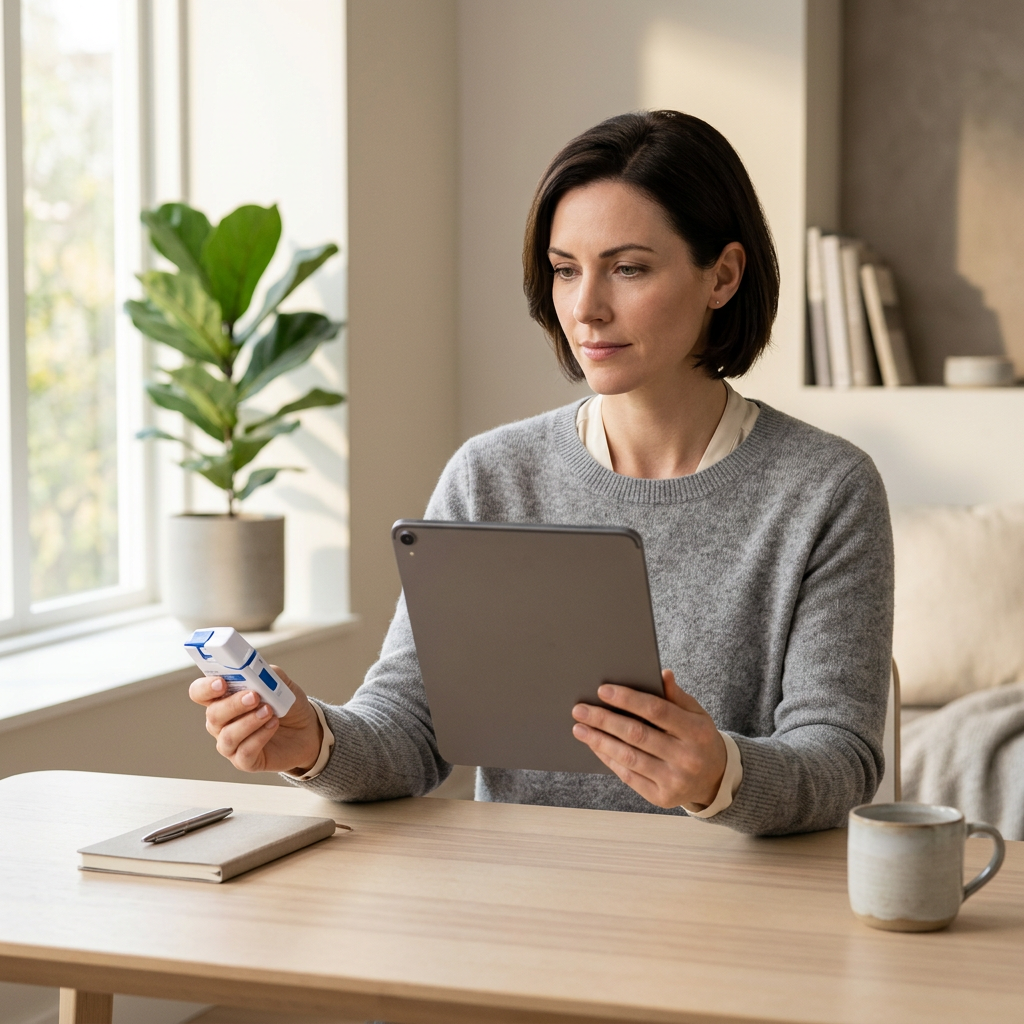
Routine blood work is one of the most effective tools for catching health issues early, yet many Canadians delay it because clinic visits are inconvenient or hard to schedule. Regular health screening plays an important role in chronic disease prevention and early detection. The rise of at-home blood tests offers a legitimate alternative: lab-grade collection in your home, with results delivered digitally. Choosing between a home blood draw service and a traditional clinic appointment involves weighing trade-offs around convenience, accuracy, biomarker coverage, and overall value. The differences between these two paths are more nuanced than most people realise, and the right choice depends on how you prioritise your time, your health data, and your long-term wellness goals.
Comparing the Experience: Convenience, Time, and Access
The most immediate difference between at-home blood work and a clinic visit is the experience itself. From booking to receiving results, the two options follow very different timelines and require very different levels of effort from you as the patient.
What the Clinic Experience Actually Looks Like
A clinic blood test typically starts with a requisition from your family doctor, which itself may require a separate appointment. From there, you book a slot at a lab, commute during business hours, wait in a queue, and have your sample drawn by a phlebotomist. Results often route back through your physician's office, adding days or even weeks before you receive them. Here is what the process generally involves:
Requisition required: Most provinces require a doctor's order before you can access lab testing, adding a preliminary appointment to the process
Limited hours: Labs and clinics typically operate during weekday business hours, making it difficult for working professionals to schedule without taking time off
Wait times: Walk-in labs in cities like Toronto and Vancouver frequently have wait times of 30 minutes or more, especially during flu season or health screening periods
Result delays: Test results pass through your physician's office before reaching you, and follow-up calls to discuss findings can take an additional one to two weeks
How At-Home Collection Streamlines the Process
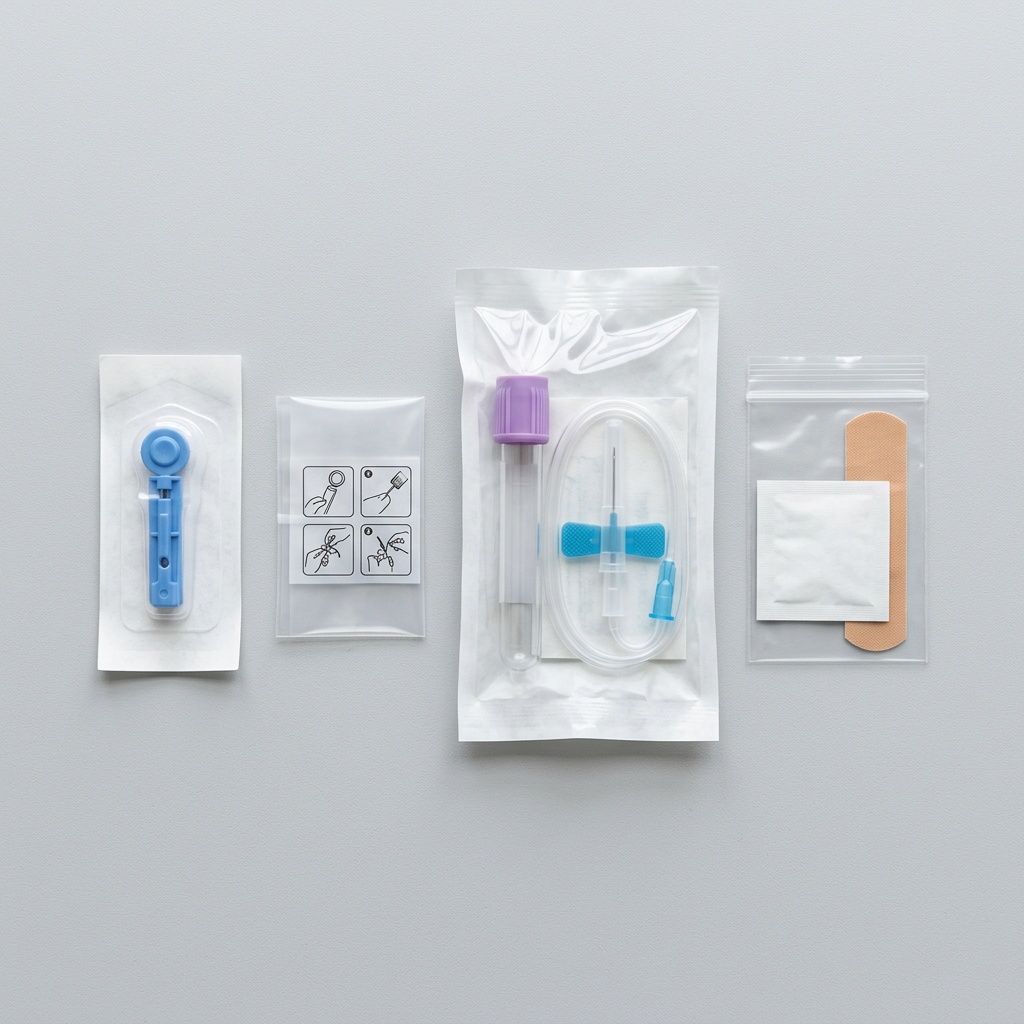
A home blood test kit eliminates most of those steps. You order online, receive a collection kit, and complete the process at home on your own schedule. Some services use a finger-prick blood test method for capillary collection, while others arrange for a mobile phlebotomist to perform a venous draw at your door. Either way, there is no commute, no waiting room, and no lost workday. Results are typically delivered through a secure digital dashboard within days rather than weeks, giving you faster access to your data and more control over what happens next.
Accuracy, Depth, and What Your Results Actually Tell You
Convenience matters, but it means nothing if the results are unreliable. The question of at-home blood testing accuracy is the most important factor for anyone considering a switch from clinic-based draws. Understanding how collection methods, lab processing, and biomarker coverage differ will help you make a confident decision.
Are Home Blood Tests as Accurate as Clinic Draws?
The short answer is yes, when the service uses accredited laboratories and follows proper sample handling protocols. In Canada, diagnostic labs must comply with Health Canada's blood regulations, regardless of whether the sample was collected in a clinic or at home. The critical variable is not where the blood is drawn but how it is processed. Reputable at-home blood test services in Canada use the same CLIA-certified or ISO-accredited labs that hospitals and walk-in clinics use.
A venous draw performed by a licensed mobile phlebotomist at home produces a sample that is functionally identical to one collected at a lab. Finger-prick methods have also improved significantly, with modern microsampling devices validated against established reference values for dozens of common biomarkers. The key is choosing a provider that is transparent about its lab partners and collection methodology.
Biomarker Coverage: Where Home Testing Pulls Ahead
Traditional clinic blood work ordered through a family doctor tends to cover a standard panel. This usually includes a complete blood count (CBC), basic metabolic markers, cholesterol, and fasting glucose. While useful, these tests offer a limited snapshot. They are designed to screen for existing conditions rather than optimise long-term health. For Canadians pursuing preventive health testing, this baseline often falls short.
Services like Biomi have expanded what is accessible through a comprehensive blood panel at home. Their Peak plan, for example, covers 60 biomarkers spanning cardiovascular health, thyroid function, hormonal balance, and even a comparison of biological versus chronological age. That level of depth is rarely available through a standard requisition without multiple specialist referrals. The ability to track these markers longitudinally through a digital dashboard turns a single data point into a trend line, which is far more useful for making proactive health decisions.

Conclusion
Both clinic visits and at-home blood draws serve a purpose, but they serve different types of health consumers. Clinics remain essential for acute diagnostics, specialist referrals, and situations where a physician needs to see you in person. For routine preventive testing, however, a home blood draw service offers a faster, more flexible, and often more comprehensive experience. If you are a health-conscious professional in Ontario, Vancouver, or anywhere in Canada who values convenience, data depth, and proactive health monitoring, at-home testing with a provider like Biomi delivers the precision you need without the friction of the traditional model. The Canadian Task Force guidelines on preventive care reinforce the value of regular screening, and removing barriers to that screening is exactly what makes convenient blood testing worth exploring.
Ready to take control of your health data? Explore Biomi's at-home blood testing plans and find the right panel for your goals.
Frequently Asked Questions (FAQs)
How do at-home blood tests work in Canada?
You order a kit online, collect your sample at home using a finger-prick device or a scheduled mobile phlebotomist visit, mail it to an accredited lab, and receive your results digitally within a few business days.
Is at-home blood testing reliable?
Yes, when the provider uses accredited Canadian laboratories and follows proper sample handling protocols, at-home results are clinically comparable to those from a traditional clinic draw.
How long do home blood test results take?
Most reputable services deliver results within three to five business days after the lab receives your sample, which is often faster than routing results through a physician's office.
What biomarkers can I test at home?
Depending on the service tier, you can test anywhere from basic metabolic markers and cholesterol panels to comprehensive panels covering 60 or more biomarkers, including thyroid, hormonal, cardiovascular, and inflammatory markers.
Can I do a blood test at home in Ontario?
Yes, several providers offer at-home blood testing in Ontario and other Canadian provinces, with kits shipped directly to your door and samples processed through licensed labs.
About the author

Health & Wellness Editorial Team
Related articles
- Biological Age Blood Test: What It Measures and Why It Matters
Curious about your biological age blood test results? Explore key biomarkers, what they reveal, and how to start optimizing your longevity today.
- At-Home Blood Draw for Health Testing in Calgary: How It Works
Discover how at-home blood draw testing works in Calgary, from booking to physician-reviewed results. Book your mobile blood collection today.
- What Is Biomi? Biomarker Testing and Biological Age Explained
Discover what Biomi is and how biomarker tracking reveals your biological age vs chronological age. Start your health journey today.
- Home Blood Draw: What to Expect Before Your Appointment
Booking a home blood test? Learn exactly what to expect before your appointment, from prep tips to physician-reviewed results with Biomi.
- What Is Longevity Testing? How It Works and What to Expect
Curious about longevity testing? Learn how this biomarker blood test works, what to expect, and how it reveals your biological age. Start today.
Read article: Biological Age Blood Test: What It Measures and Why It MattersRead article: At-Home Blood Draw for Health Testing in Calgary: How It WorksRead article: What Is Biomi? Biomarker Testing and Biological Age ExplainedRead article: Home Blood Draw: What to Expect Before Your AppointmentRead article: What Is Longevity Testing? How It Works and What to Expect