English
Hormone Panel Test: What to Test and Why
Introduction
A hormone panel test provides a detailed snapshot of the chemical messengers that govern energy, metabolism, mood, sleep, and recovery. For health-conscious professionals and anyone pursuing long-term wellness, hormone level testing reveals imbalances that standard checkups routinely miss. Cortisol, testosterone, estrogen, progesterone, and thyroid markers can shift well before obvious symptoms appear, making proactive testing one of the most effective ways to catch problems early. The challenge is knowing exactly which hormones to test, what the results mean, and how to turn that data into real improvements.
Key Takeaway: A comprehensive hormone panel should include sex hormones, adrenal markers, and thyroid function at minimum, and testing these together (rather than in isolation) gives you the context needed to detect imbalances early and take targeted action.
Core Hormones Every Panel Should Cover
A blood hormone test becomes meaningful only when it captures the right markers. Testing a single hormone in isolation rarely tells the full story because hormones operate in interconnected feedback loops. The markers below form the foundation of a useful hormone panel, whether the goal is performance optimization, symptom investigation, or long-term health tracking.
Sex Hormones and Reproductive Markers
The sex hormone panel is often the most revealing portion of any comprehensive test. These markers regulate far more than reproductive function; they influence body composition, bone density, cardiovascular risk, and cognitive sharpness. A detailed breakdown of female hormone panel components shows how interconnected these markers really are.
Testosterone (total and free): Critical for both men and women, affecting muscle mass, energy, libido, and mood regulation
Estradiol (E2): The primary form of estrogen, important for bone health, cardiovascular protection, and menstrual regularity
Progesterone: Balances estrogen effects and supports sleep quality, anxiety regulation, and cycle health in women
DHEA-S: A precursor to both testosterone and estrogen, serving as an indicator of adrenal function and biological aging
SHBG (Sex Hormone-Binding Globulin): Determines how much testosterone and estrogen are bioavailable versus bound and inactive
Adrenal and Stress Hormones
A cortisol blood test measures the body's primary stress hormone, which follows a natural daily rhythm: peaking in the morning and tapering through the evening. Chronically elevated cortisol disrupts sleep architecture, promotes visceral fat storage, and suppresses immune function. DHEA hormone levels work in opposition to cortisol, and the ratio between the two is often more informative than either value alone. Adrenal hormone testing is especially relevant for professionals managing demanding schedules, because sustained high cortisol can erode metabolic and hormonal performance markers over time.
Thyroid Function, Interpretation, and Tracking Over Time
Beyond sex and adrenal hormones, thyroid function and the ability to interpret results accurately are what separate a genuinely useful panel from a superficial one. Understanding the difference between optimal versus normal biomarker ranges can completely change how you respond to your data.
Why TSH Alone Is Not Enough
Most annual physicals include only TSH (thyroid-stimulating hormone), which screens for overt thyroid disease but misses subclinical dysfunction. A complete thyroid assessment should include free T3 and free T4, because TSH can appear normal even when active thyroid hormone levels are suboptimal. Free T3 is the metabolically active form responsible for energy production, temperature regulation, and fat metabolism. Including thyroid antibodies (TPO and thyroglobulin) helps detect autoimmune thyroid conditions like Hashimoto's, which can be present for years before TSH shifts out of range. For a deeper comparison, understanding the gap between TSH and a full thyroid panel is essential.
The table below compares what a standard annual physical typically covers against what a comprehensive hormone panel includes.
Category | Annual Physical (Typical) | Comprehensive Hormone Panel |
|---|---|---|
Thyroid | TSH only | TSH, Free T3, Free T4, TPO Antibodies |
Sex Hormones | Rarely included | Testosterone, Estradiol, Progesterone, SHBG |
Adrenal Markers | Not included | Cortisol, DHEA-S |
Interpretation | Binary normal/abnormal | Optimal ranges with context |
Tracking | Snapshot once per year | Longitudinal comparison over time |
The key takeaway from this comparison is that hormone testing vs annual physical screening is not an either/or decision, but the annual physical alone leaves significant blind spots. Adding a targeted hormone panel fills gaps that routine care was never designed to cover.
How to Interpret Results and Track Trends
A single set of hormone values is useful, but the real power of testing emerges through longitudinal tracking. A testosterone level test that returns 450 ng/dL might be technically "normal," but if the same marker was 650 ng/dL twelve months earlier, that decline is clinically significant and worth investigating. Seasonal variation, lifestyle changes, and aging all influence hormone levels, making repeat testing at consistent intervals (every 3 to 6 months) far more informative than a one-time draw.
Interpretation also requires understanding that evidence-based guidelines for hormonal assessment distinguish between laboratory reference ranges (which capture 95% of the population, including unhealthy individuals) and optimal functional ranges (which reflect where health-conscious adults actually thrive). A result in the "normal" range does not always mean the body is functioning well. This is where platforms like Biomi add significant value: physician-reviewed results paired with a secure dashboard for longitudinal biomarker tracking help you spot meaningful shifts before they become problems.

Making Hormone Testing Practical and Accessible
Knowing which hormones to test is only half the equation. The other half is making sure the process fits into a busy life without requiring multiple clinic visits, long wait times, or fragmented results scattered across different providers.
Choosing the Right Panel for Your Goals
The best hormone testing services match panel composition to individual goals. Someone investigating persistent fatigue needs cortisol, thyroid, and iron markers. A man concerned about low energy and declining body composition should prioritize a testosterone level test alongside SHBG and estradiol. Women navigating perimenopause benefit most from estrogen level testing combined with progesterone and FSH.
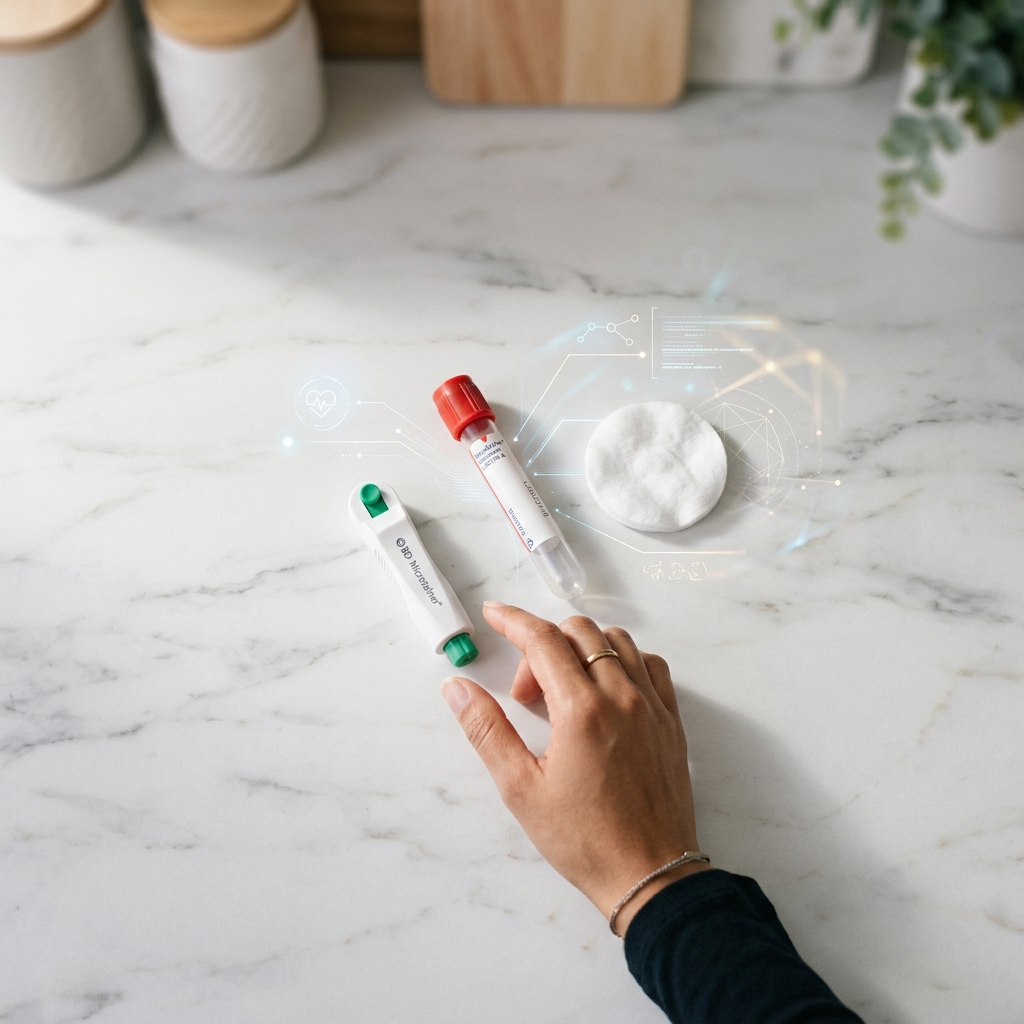
Hormone testing in Canada has historically required a physician referral and can involve weeks of waiting for both the appointment and results. Health testing services in Alberta and across other provinces are evolving to address this bottleneck. Biomi's Peak plan, for example, covers sixty biomarkers including a full comprehensive blood panel with hormonal markers, with at-home blood collection and physician-reviewed results delivered through a single dashboard. This removes the fragmentation that makes traditional hormone testing slow and disjointed.
Acting on Your Results
Hormone data without a plan is just numbers on a screen. Once results are in, the most productive next step is comparing each marker against both the clinical reference range and the optimal functional range. Flagged values, whether high or low, should be discussed with a healthcare provider who can assess context: medications, sleep habits, training load, and nutrition all influence hormone output. Research confirms that hormonal disruptions carry measurable metabolic and mental health consequences, which reinforces why acting on borderline results, rather than waiting for them to worsen, is a sound strategy. Lifestyle interventions like improving sleep consistency, managing chronic stress, and adjusting macronutrient balance can meaningfully shift cortisol, testosterone, and thyroid markers within a few months, making retesting the natural follow-up to any lifestyle change.
Conclusion
A well-designed hormone panel test goes beyond what a standard annual physical offers, capturing sex hormones, adrenal markers, and full thyroid function in a single assessment. The real value compounds over time: repeat testing at regular intervals reveals trends that isolated snapshots never can. Whether the goal is resolving persistent fatigue, optimizing performance, or simply understanding your body at a deeper level, starting with the right health data is the most practical first step toward lasting improvement.
Frequently Asked Questions (FAQs)
What hormones should I test?
At minimum, test testosterone, estradiol, progesterone, cortisol, DHEA-S, TSH, free T3, and free T4, as this combination covers reproductive, adrenal, and thyroid function in a single panel.
How often should I get hormone testing?
Testing every 3 to 6 months provides the best balance between catching meaningful changes and allowing enough time for lifestyle interventions to register in your bloodwork.
What do hormone levels mean?
Hormone levels indicate how well your endocrine system is functioning, with values interpreted against both standard reference ranges and narrower optimal ranges that reflect where healthy, active individuals tend to perform best.
How accurate are at-home hormone tests?
At-home blood collection kits processed by accredited labs deliver clinical-grade accuracy comparable to in-clinic draws, provided the sample is collected and shipped according to instructions.
What is the difference between TSH and free T3?
TSH is a pituitary signal that tells the thyroid how much hormone to produce, while free T3 is the active thyroid hormone that directly drives metabolism, energy, and temperature regulation.
Which hormone panel is best for men vs women?
Men should prioritize total and free testosterone, SHBG, and estradiol alongside cortisol and thyroid markers, while women benefit most from adding progesterone, FSH, and LH to detect cycle-related and perimenopausal shifts.
Can I test my hormones at home?
Yes, several services now offer at-home blood draw kits that are mailed to your door, collected at home, and sent to certified laboratories for the same analysis performed in clinical settings.
About the author

Medical Research Content Advisor
Combines medical research and functional medicine expertise to create educational content on health biomarkers, disease prevention, and longevity.
Related articles
- Biological Age Blood Test: Know Your True Age
Discover what a biological age test reveals about your true age. Learn how it works and start tracking your health with Biomi today.
- Comprehensive Longevity Blood Panel in Ontario
Discover what a comprehensive longevity blood panel in Ontario covers and why it beats standard checkups. Book your test with Biomi today.
- Private blood testing Montreal longevity markers
Discover how private blood testing in Montreal reveals key longevity markers for proactive, science-backed health insights. Start tracking today.
- What blood tests should I get for longevity
Wondering what blood tests you need for longevity? Discover the key longevity biomarkers experts recommend tracking for a longer, healthier life.
- How much does private blood testing cost in Canada
Explore private health testing Canada costs, from basic panels to full biomarker screening, and find the best value for your preventive health goals.
Read article: Biological Age Blood Test: Know Your True AgeRead article: Comprehensive Longevity Blood Panel in OntarioRead article: Private blood testing Montreal longevity markersRead article: What blood tests should I get for longevityRead article: How much does private blood testing cost in Canada