English
LDL vs HDL Cholesterol: What Your Numbers Really Mean

Introduction
Cholesterol levels appear on nearly every routine blood panel, yet most Canadians walk away from their annual physical without a clear picture of what those numbers actually reveal about cardiovascular risk. A cholesterol blood test reports several distinct fractions, and the difference between LDL cholesterol and HDL cholesterol is far more clinically significant than the single "total cholesterol" figure most people focus on. Understanding which numbers to watch, what ranges signal genuine risk, and how those values shift over time is the foundation of smarter preventive health. The gap between "normal" and "optimal" cholesterol levels is where the most actionable insight lives.
Key Takeaway: LDL cholesterol drives arterial plaque buildup while HDL cholesterol helps remove it, so interpreting both values together, along with your cholesterol ratio and triglycerides, gives a far more accurate cardiovascular risk picture than any single number alone.
Understanding LDL and HDL: What Each Number Tells You
The labels "good" and "bad" cholesterol are simplifications, but they point to a real biological distinction. Both LDL and HDL are lipoproteins that carry cholesterol through the bloodstream, yet they move it in opposite directions with very different consequences for your arteries.
LDL Cholesterol: The Buildup Driver
LDL (low-density lipoprotein) transports cholesterol from the liver to peripheral tissues. When circulating LDL levels are elevated, excess particles penetrate arterial walls and trigger plaque formation that narrows blood vessels over time. This process, called atherosclerosis, is the primary mechanism behind heart attacks and strokes. Here is what to know about your LDL cholesterol normal range:
Below 2.0 mmol/L: Considered optimal for individuals at high cardiovascular risk per Canadian guidelines
2.0 to 3.4 mmol/L: Generally acceptable for low-risk adults, though lower is better for long-term protection
3.4 to 4.1 mmol/L: Borderline high, warranting lifestyle changes and closer monitoring
Above 4.1 mmol/L: High, often triggering a discussion about pharmacological intervention alongside diet modification
HDL Cholesterol: The Cleanup Crew
HDL (high-density lipoprotein) works in reverse, scavenging excess cholesterol from artery walls and returning it to the liver for disposal. This reverse cholesterol transport mechanism is why higher HDL cholesterol levels are protective. For men, an HDL cholesterol normal range starts above 1.0 mmol/L, while women benefit from levels above 1.3 mmol/L. Values above 1.5 mmol/L are associated with meaningfully reduced cardiovascular risk across both sexes. Unlike LDL, where lower is better, HDL is a biomarker where you want the number to climb. Regular exercise, healthy fats, and metabolic health improvements are among the most reliable ways to raise HDL naturally.
Interpreting Your Full Cholesterol Profile
A single LDL or HDL number in isolation tells only part of the story. Clinicians evaluate your complete lipid panel, including triglycerides and cholesterol ratios, to build a composite risk assessment. Knowing how these pieces fit together helps you move beyond a surface-level reading of your results.
Cholesterol Ratios, Triglycerides, and Composite Risk
Your cholesterol ratio is calculated by dividing total cholesterol by HDL. A ratio below 4.0 is generally considered healthy, while anything above 6.0 signals elevated cardiovascular risk. This single metric often tells more than total cholesterol alone because it captures the balance between harmful and protective lipoproteins. Triglycerides and cholesterol interact in important ways as well: elevated triglycerides (above 1.7 mmol/L) combined with low HDL create a pattern called atherogenic dyslipidemia, which significantly increases the likelihood of arterial disease even when LDL appears only borderline high.
The following table compares normal cholesterol levels against optimal targets aligned with Canadian Cardiovascular Society guidelines to illustrate where "passing" differs from "thriving."
Biomarker | Normal Range | Optimal Target | High-Risk Threshold |
|---|---|---|---|
Total Cholesterol | Below 5.2 mmol/L | Below 4.5 mmol/L | Above 6.2 mmol/L |
LDL Cholesterol | Below 3.4 mmol/L | Below 2.0 mmol/L | Above 4.1 mmol/L |
HDL Cholesterol | Above 1.0 mmol/L (M) / 1.3 (F) | Above 1.5 mmol/L | Below 1.0 mmol/L |
Triglycerides | Below 1.7 mmol/L | Below 1.2 mmol/L | Above 2.3 mmol/L |
Cholesterol Ratio | Below 5.0 | Below 3.5 | Above 6.0 |
The key takeaway from this comparison is the sizable gap between "normal" and "optimal." A total cholesterol of 5.1 mmol/L technically falls within the normal range, but it is far from the optimal target associated with the lowest cardiovascular event rates. Understanding this distinction is what separates passive checkups from proactive health management.
Cholesterol Levels by Age and What Shifts Over Time
Cholesterol levels by age chart data consistently shows that LDL tends to rise through middle age, peaking between 50 and 65 for most adults. In women, LDL increases notably after menopause due to declining estrogen, which previously helped regulate lipoprotein metabolism. Men often see a steady climb starting in their 30s. HDL, conversely, can decline with reduced physical activity and weight gain. These age-related shifts mean that a "normal" result at 35 may represent an entirely different risk profile at 55, even if the number is identical. This is precisely why cholesterol screening at regular intervals with longitudinal tracking matters more than any single snapshot.

Taking Action: From Numbers to Real-World Decisions
Knowing your numbers is only useful if it translates into decisions. Whether that means dietary changes, medication conversations, or simply testing more frequently, the best cholesterol tests are the ones that lead to a clear plan.
Reducing LDL and Boosting HDL Through Lifestyle
Dietary saturated fat reduction, increased soluble fiber intake, and regular aerobic exercise are the three most evidence-backed interventions for improving your lipid profile without medication. Replacing processed carbohydrates with whole foods lowers triglycerides, while adding fatty fish, nuts, and olive oil supports HDL production. For individuals with borderline values, these changes alone can shift results from the "normal" column into the optimal range within three to six months.
However, cholesterol is also strongly influenced by genetics and metabolic factors that lifestyle alone cannot fully address. Familial hypercholesterolemia, for example, affects roughly 1 in 250 Canadians and causes persistently elevated LDL regardless of diet or exercise. This is why tracking your blood biomarker results over time, rather than relying on a single test, reveals whether your interventions are working or whether a conversation with your physician about statin therapy is warranted.
At-Home Cholesterol Testing vs Lab Panels
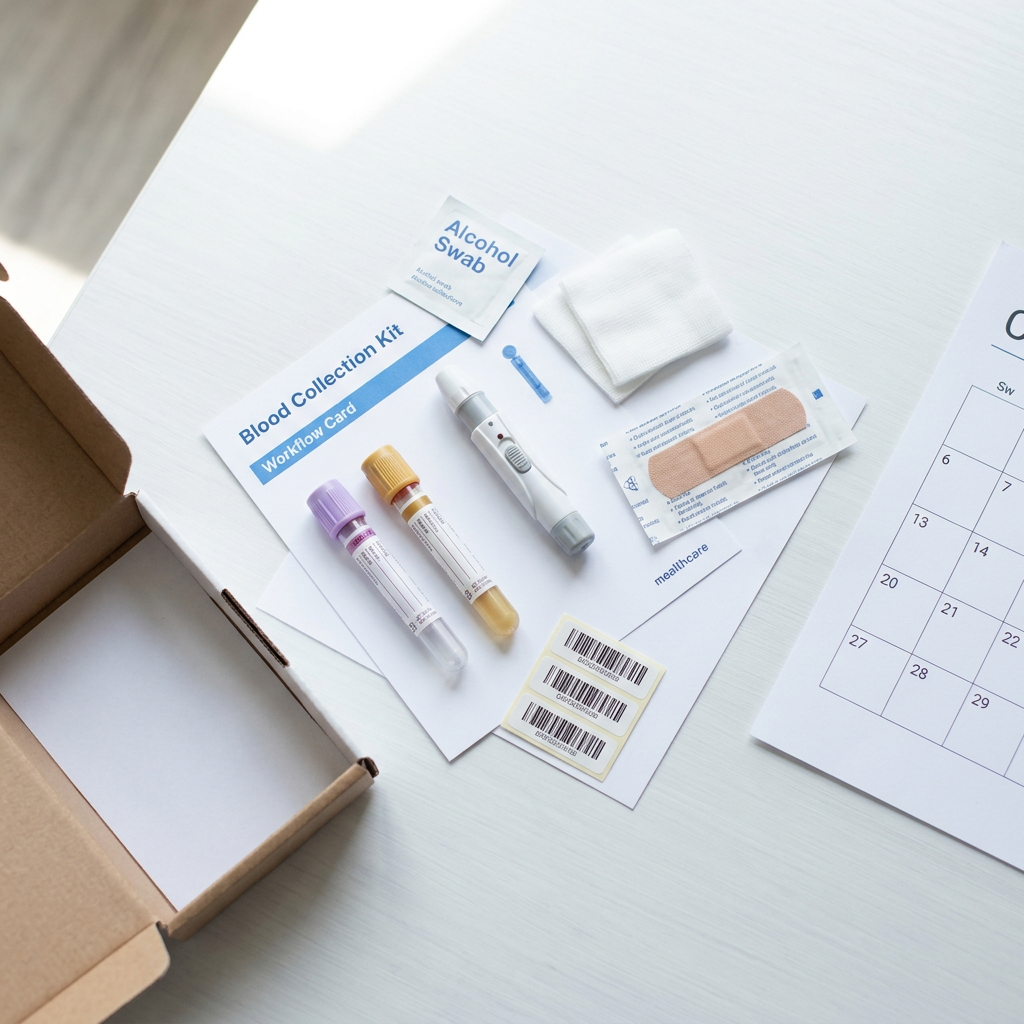
The at-home cholesterol test vs lab debate comes down to two factors: convenience and cholesterol test accuracy. Point-of-care finger-prick devices offer a quick estimate but typically measure only total cholesterol and sometimes HDL, missing the LDL breakdown and triglyceride detail that a comprehensive blood panel provides. Lab-grade lipid panels using venous blood draw remain the gold standard for clinical decision-making, and services like Biomi make that level of testing accessible through at-home blood collection with physician-reviewed results. This approach combines the convenience of home-based sampling with the accuracy and completeness of a clinical-grade lipid analysis aligned with Canadian standards. For health-conscious Canadians who want cholesterol screening in Toronto or anywhere across the country, the barrier to precise, proactive health monitoring continues to shrink.
Conclusion
Your cholesterol results deserve more than a glance and a "looks fine" from a rushed appointment. LDL and HDL cholesterol serve fundamentally different roles, and the ratio between them, combined with triglyceride levels and age-adjusted context, paints a far richer cardiovascular picture than total cholesterol alone. Tracking these values over time through a platform like Biomi transforms static numbers into a dynamic health narrative that reveals trends, validates lifestyle changes, and flags risks before they become clinical problems. The most empowered health decision you can make is to stop treating cholesterol as a pass-fail test and start treating it as an ongoing conversation with your own biology.
Frequently Asked Questions (FAQs)
What is a normal cholesterol level?
A normal total cholesterol level for Canadian adults is generally below 5.2 mmol/L, though optimal cardiovascular protection is associated with values closer to 4.5 mmol/L or lower.
What is the difference between LDL and HDL?
LDL carries cholesterol into artery walls where it builds up as plaque, while HDL removes excess cholesterol from arteries and returns it to the liver for elimination.
How often should you check cholesterol?
Adults over 40, or those with risk factors like family history or obesity, should check cholesterol at least once per year, while proactive health trackers benefit from testing every three to six months to identify trends.
Can you reduce LDL cholesterol naturally?
Reducing dietary saturated fat, increasing soluble fiber, exercising regularly, and maintaining a healthy weight can lower LDL by 10 to 25 percent in many individuals within a few months.
What should my cholesterol level be by age in Canada?
Canadian guidelines recommend LDL below 3.4 mmol/L for low-risk adults of any age, with tighter targets below 2.0 mmol/L for those over 50 or with additional cardiovascular risk factors.
Is an at-home cholesterol test as accurate as a lab test?
Finger-prick at-home devices provide rough estimates of total cholesterol but lack the precision and comprehensive LDL, HDL, and triglyceride breakdown that a venous blood draw analyzed in a certified lab delivers.
What causes high cholesterol in otherwise healthy people?
Genetic conditions like familial hypercholesterolemia, thyroid dysfunction, and certain medications can elevate cholesterol levels independently of diet, exercise, or body weight.
About the author

Senior Health Content Strategist
Specializes in preventive health, biomarker analysis, and longevity science.
Related articles
- Biological Age Blood Test: What It Measures and Why It Matters
Curious about your biological age blood test results? Explore key biomarkers, what they reveal, and how to start optimizing your longevity today.
- At-Home Blood Draw for Health Testing in Calgary: How It Works
Discover how at-home blood draw testing works in Calgary, from booking to physician-reviewed results. Book your mobile blood collection today.
- What Is Biomi? Biomarker Testing and Biological Age Explained
Discover what Biomi is and how biomarker tracking reveals your biological age vs chronological age. Start your health journey today.
- Home Blood Draw: What to Expect Before Your Appointment
Booking a home blood test? Learn exactly what to expect before your appointment, from prep tips to physician-reviewed results with Biomi.
- What Is Longevity Testing? How It Works and What to Expect
Curious about longevity testing? Learn how this biomarker blood test works, what to expect, and how it reveals your biological age. Start today.
Read article: Biological Age Blood Test: What It Measures and Why It MattersRead article: At-Home Blood Draw for Health Testing in Calgary: How It WorksRead article: What Is Biomi? Biomarker Testing and Biological Age ExplainedRead article: Home Blood Draw: What to Expect Before Your AppointmentRead article: What Is Longevity Testing? How It Works and What to Expect