English
What Your Metabolic Panel Blood Test Really Reveals

Introduction
A metabolic panel blood test is one of the most clinically valuable tools available for evaluating how your body's core systems are functioning, yet most people walk away from their results with little more than a vague "everything looks fine." This comprehensive metabolic panel measures up to 14 biomarkers spanning glucose metabolism, kidney filtration, liver enzyme activity, and electrolyte balance, giving you a detailed snapshot of internal health that a standard physical exam simply cannot provide. The challenge is not access to the test itself but understanding what each value actually signals about your risk trajectory. When you know how to read these numbers, you shift from passive patient to informed participant in your own preventive care, and that shift changes outcomes.
Key Takeaway: Your metabolic panel results reveal early warning signs across your kidneys, liver, blood sugar regulation, and electrolyte balance well before symptoms appear, making it one of the most actionable tests for anyone focused on long-term health.
What a Metabolic Panel Measures and Why It Matters
A metabolic panel is not a single measurement. It is a cluster of biomarkers that, taken together, reveal how well your metabolism, organ function, and fluid balance are performing. Understanding the categories these biomarkers fall into is the first step toward making your results meaningful rather than just numerical.
The Core Biomarker Categories
The comprehensive metabolic panel includes 14 tests grouped into functional categories. Each category tells a different story about what is happening beneath the surface, and each biomarker within it adds specificity to that story.
Glucose: Fasting glucose and sometimes estimated average glucose reveal how effectively your body regulates blood sugar, a direct indicator of insulin sensitivity and diabetes risk
Kidney function: Blood urea nitrogen (BUN) and creatinine measure how well your kidneys filter waste, while the BUN-to-creatinine ratio helps distinguish dehydration from true kidney impairment
Liver enzymes: ALT, AST, alkaline phosphatase, and bilirubin reflect hepatic health, with elevations pointing to everything from fatty liver disease to medication-related stress
Electrolytes: Sodium, potassium, chloride, and carbon dioxide (bicarbonate) maintain fluid balance, nerve signaling, and acid-base equilibrium throughout the body
Proteins: Albumin and total protein levels indicate nutritional status and liver synthetic function, with low values sometimes signaling chronic inflammation or malabsorption
CMP vs. BMP: Which Panel Do You Need?
The difference between a comprehensive metabolic panel and a basic metabolic panel comes down to scope. A basic metabolic panel (BMP) includes eight tests covering glucose, calcium, and core electrolytes along with kidney markers. The CMP adds six more, bringing in liver enzymes, albumin, total protein, and bilirubin. For anyone interested in preventive health rather than just acute diagnostics, the CMP provides more meaningfully insight.
The following table breaks down how these two panels compare across the biomarker categories that matter most for proactive health monitoring.
Feature | Basic Metabolic Panel (BMP) | Comprehensive Metabolic Panel (CMP) |
|---|---|---|
Number of biomarkers | 8 | 14 |
Glucose | Yes | Yes |
Kidney markers (BUN, creatinine) | Yes | Yes |
Electrolytes | Yes | Yes |
Liver enzymes (ALT, AST, ALP) | No | Yes |
Proteins (albumin, total protein) | No | Yes |
Best suited for | Acute or routine screening | Preventive and longitudinal tracking |
If you are only getting a BMP during your annual checkup, you are missing the liver and protein data that often provide the earliest signals of metabolic dysfunction. For Canadians investing in long-term health optimization, the CMP is the stronger choice.
How to Read Your Results and Take Action
Getting CMP blood work done is the easy part. The harder, more valuable skill is understanding what your numbers mean in context, recognizing patterns across biomarkers, and knowing when a value that falls within the "normal range" might still warrant attention based on your personal health trajectory.
Understanding Reference Ranges and What "Normal" Really Means
Standard reference ranges are population-based averages, not personalized health targets. A fasting glucose of 5.5 mmol/L may be technically within range, but if your level was 4.8 mmol/L two years ago, that upward trend matters more than where the number sits on a static scale. This is where reading biomarker results longitudinally transforms a routine blood test into a genuine early warning system.
Metabolic panel electrolytes illustrate this well. Potassium, for example, has a narrow normal range (typically 3.5 to 5.0 mmol/L). A reading of 5.0 is technically normal, but combined with elevated creatinine, it could point toward early kidney stress. Single-value interpretation without cross-referencing is one of the most common mistakes people make when reviewing their own data. Physician-reviewed metabolic panel results help contextualize these interactions and flag combinations that isolated numbers miss.
Biomarkers That Deserve Extra Attention
Certain biomarkers on the metabolic panel carry disproportionate weight for metabolic health screening. Fasting glucose is the most obvious. Persistent elevation above optimal levels, even within the technical normal range, correlates strongly with future insulin resistance and type 2 diabetes. Tracking fasting glucose trends over multiple tests is far more informative than any single reading.
Liver enzymes deserve close attention as well. ALT and AST are sensitive to metabolic stress, alcohol consumption, medication load, and non-alcoholic fatty liver disease, a condition that affects a growing number of Canadian adults. Even modest, persistent elevations warrant deeper investigation. Meanwhile, your kidney function biomarkers, particularly creatinine and estimated glomerular filtration rate (eGFR), reveal filtration efficiency that can decline silently for years before clinical symptoms emerge. Research from Statistics Canada on metabolic syndrome prevalence underscores why routine monitoring of these markers matters, especially as metabolic risk increases with age.

Conclusion
Your metabolic panel is not just a routine lab order. It is a window into glucose regulation, organ function, and systemic balance that, when tracked over time, can reveal health risks long before they become clinical problems. The real value lies not in a single snapshot but in understanding trends, cross-referencing biomarkers, and acting on what the data reveals. Platforms like Biomi make this process accessible across Canada by combining at-home blood collection with physician-reviewed dashboards that translate raw numbers into actionable health scores. Whether you are optimizing performance or simply want to improve your metabolic health, understanding your panel is the most practical first step you can take.
Frequently Asked Questions (FAQs)
What does a metabolic panel measure?
A metabolic panel measures biomarkers related to glucose metabolism, kidney function, liver enzyme activity, electrolyte balance, and protein levels to assess how your body's core systems are performing.
What is the difference between CMP and BMP?
A comprehensive metabolic panel includes 14 biomarkers covering liver enzymes and proteins in addition to the 8 glucose, electrolyte, and kidney markers found in a basic metabolic panel.
How often should you get a metabolic panel?
Most adults benefit from getting a metabolic panel at least once per year, though those tracking specific health goals or managing chronic conditions may benefit from testing every three to six months.
Can you do a metabolic panel at home?
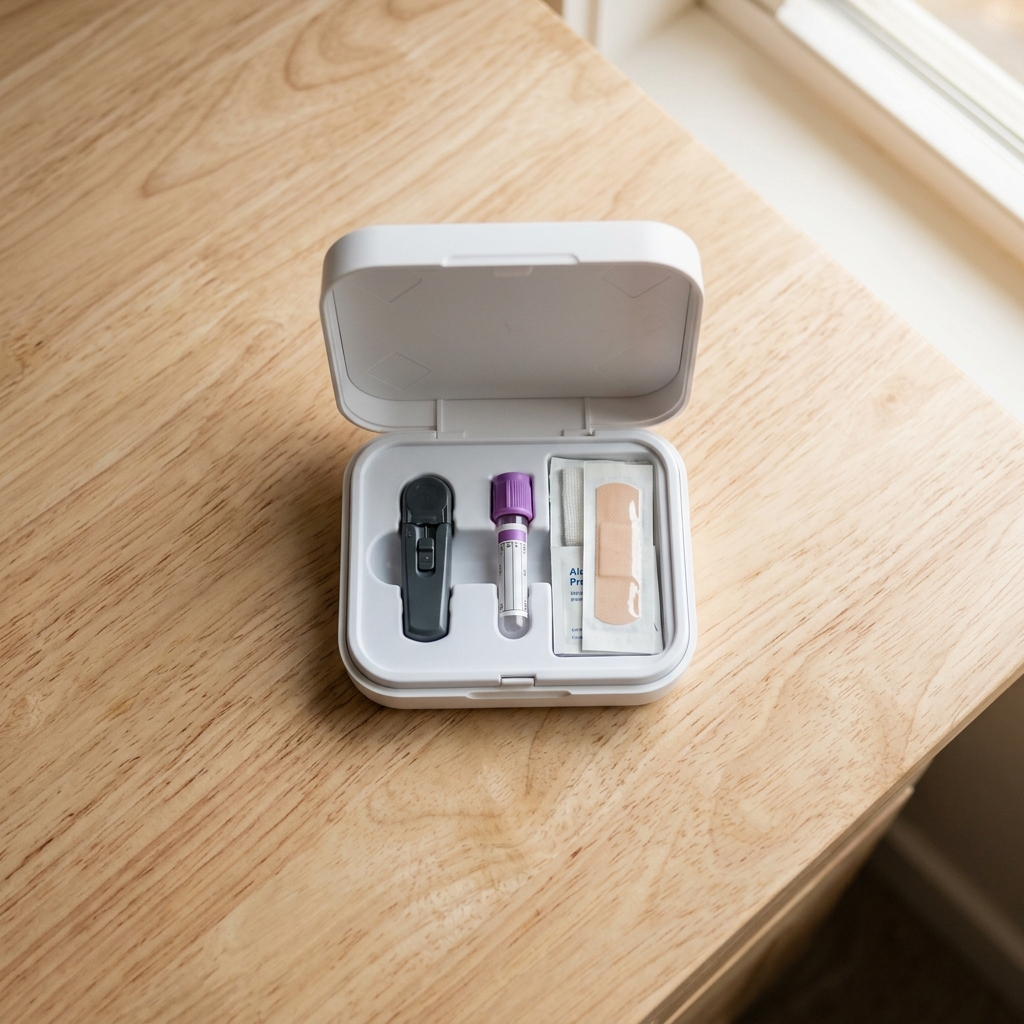
Yes, services like Biomi offer at-home blood collection kits in Canada that include comprehensive metabolic panel testing with physician-reviewed results delivered through a secure online dashboard.
How much does a metabolic panel cost in Canada?
Costs vary depending on the provider and scope, but at-home metabolic panel testing in Canada typically ranges from $100 to $300 depending on the number of biomarkers included in the package.
What do metabolic panel results mean?
Metabolic panel results indicate whether your glucose, kidney filtration, liver enzymes, and electrolytes fall within expected reference ranges, with values outside those ranges pointing to potential dysfunction that warrants further investigation.
Why is a metabolic panel important for preventive health?
A metabolic panel detects early shifts in organ function and metabolic regulation before symptoms appear, giving you the opportunity to intervene with lifestyle changes or medical guidance while conditions are still reversible.
About the author

Medical Research Content Advisor
Combines medical research and functional medicine expertise to create educational content on health biomarkers, disease prevention, and longevity.
Related articles
- Biological Age Blood Test: What It Measures and Why It Matters
Curious about your biological age blood test results? Explore key biomarkers, what they reveal, and how to start optimizing your longevity today.
- At-Home Blood Draw for Health Testing in Calgary: How It Works
Discover how at-home blood draw testing works in Calgary, from booking to physician-reviewed results. Book your mobile blood collection today.
- What Is Biomi? Biomarker Testing and Biological Age Explained
Discover what Biomi is and how biomarker tracking reveals your biological age vs chronological age. Start your health journey today.
- Home Blood Draw: What to Expect Before Your Appointment
Booking a home blood test? Learn exactly what to expect before your appointment, from prep tips to physician-reviewed results with Biomi.
- What Is Longevity Testing? How It Works and What to Expect
Curious about longevity testing? Learn how this biomarker blood test works, what to expect, and how it reveals your biological age. Start today.
Read article: Biological Age Blood Test: What It Measures and Why It MattersRead article: At-Home Blood Draw for Health Testing in Calgary: How It WorksRead article: What Is Biomi? Biomarker Testing and Biological Age ExplainedRead article: Home Blood Draw: What to Expect Before Your AppointmentRead article: What Is Longevity Testing? How It Works and What to Expect