English
How to Test for Chronic Inflammation in Canada

Introduction
Chronic inflammation is a silent driver of serious health conditions, from cardiovascular disease to metabolic dysfunction and accelerated aging. Unlike the redness and swelling of an acute injury, systemic inflammation operates below the surface for months or years without producing obvious symptoms. The good news: a simple inflammation blood test can reveal whether your body is fighting a hidden battle. For Canadians looking to take control of their health, understanding which biomarkers to test and how to access reliable testing has never been more practical.
Key Takeaway: Testing for chronic inflammation in Canada starts with measuring specific inflammation biomarkers like CRP and ESR through a blood draw, and at-home testing kits now make it possible to get lab-grade results without visiting a clinic.
Understanding Chronic Inflammation and Why It Matters
Acute inflammation is the body's natural defense mechanism, a short-lived response to injury or infection that resolves within days. Chronic inflammation is fundamentally different. It persists for months or even years, often without clear symptoms, quietly damaging tissues and increasing the risk of diseases that many people associate with aging rather than immune dysfunction.
What Causes Inflammation in the Body
Several factors contribute to ongoing inflammatory responses, and they often overlap. Chronic inflammation can result from persistent infections, autoimmune conditions, prolonged exposure to environmental irritants, or metabolic imbalances that keep the immune system activated long after the initial trigger has passed. Lifestyle factors amplify the problem significantly.
Poor diet: High-sugar, ultra-processed diets increase inflammatory cytokine production
Sedentary behavior: Lack of regular movement elevates baseline inflammation markers over time
Chronic stress: Sustained cortisol elevation dysregulates immune responses and promotes inflammatory pathways
Sleep deprivation: Consistently poor sleep raises C-reactive protein inflammation levels measurably
Visceral fat accumulation: Excess abdominal fat acts as an active endocrine organ that secretes pro-inflammatory compounds
Signs of Chronic Inflammation You Should Not Ignore
Many people live with inflammation markers that would concern a physician, yet they attribute the symptoms to stress or aging. Persistent fatigue that does not improve with rest, unexplained joint stiffness, frequent digestive issues, and brain fog can all point to an elevated inflammatory state. Skin conditions like eczema flare-ups or recurring infections also warrant investigation.
The challenge is that these signs overlap with dozens of other conditions. Without measuring specific blood markers, it is nearly impossible to confirm whether chronic inflammation is the underlying cause. This is precisely why objective testing matters more than symptom tracking alone.
How to Measure Inflammation: Key Biomarkers and Testing Options
The best way to measure inflammation is through blood-based biomarker testing. Two markers form the foundation of nearly every inflammation testing panel, while several newer markers add diagnostic precision for specific conditions.
CRP, ESR, and Other Inflammation Biomarkers Explained
C-reactive protein (CRP) is produced by the liver in response to inflammation and rises rapidly when inflammatory activity increases. A standard CRP test detects significant elevation, while a high-sensitivity CRP (hs-CRP) test can identify subtle, low-grade inflammation associated with cardiovascular risk. According to clinical guidelines on inflammatory evaluation, CRP and ESR remain the most commonly ordered laboratory tests for assessing systemic inflammation.
The erythrocyte sedimentation rate (ESR) measures how quickly red blood cells settle in a test tube over one hour. A faster rate suggests higher levels of inflammatory proteins in the blood. While ESR is less specific than CRP, it provides useful context, especially when tracked over time. Understanding the distinction between these two markers helps you interpret results more accurately. Here is how they compare across the dimensions that matter most for preventive medicine.
Feature | CRP / hs-CRP | ESR | Cytokines (IL-6, TNF-alpha) |
|---|---|---|---|
What it measures | Liver-produced protein responding to inflammation | Rate of red blood cell sedimentation | Specific immune signaling molecules |
Sensitivity | High, especially hs-CRP for low-grade inflammation | Moderate, better for chronic conditions | Very high for targeted research |
Response time | Rises within 6 to 8 hours | Changes over days to weeks | Rapid but fluctuates quickly |
Best use case | Cardiovascular risk, acute infection screening | Monitoring autoimmune disease, chronic conditions | Research settings, specialized panels |
Availability in Canada | Widely available, at-home and clinic | Widely available, at-home and clinic | Limited to specialized labs |
For most Canadians pursuing proactive health screening, a combination of hs-CRP and ESR provides the strongest baseline picture. CRP captures acute shifts while ESR tracks longer-term trends, making the two complementary rather than redundant.
How At-Home Inflammation Testing Compares to Clinic Testing
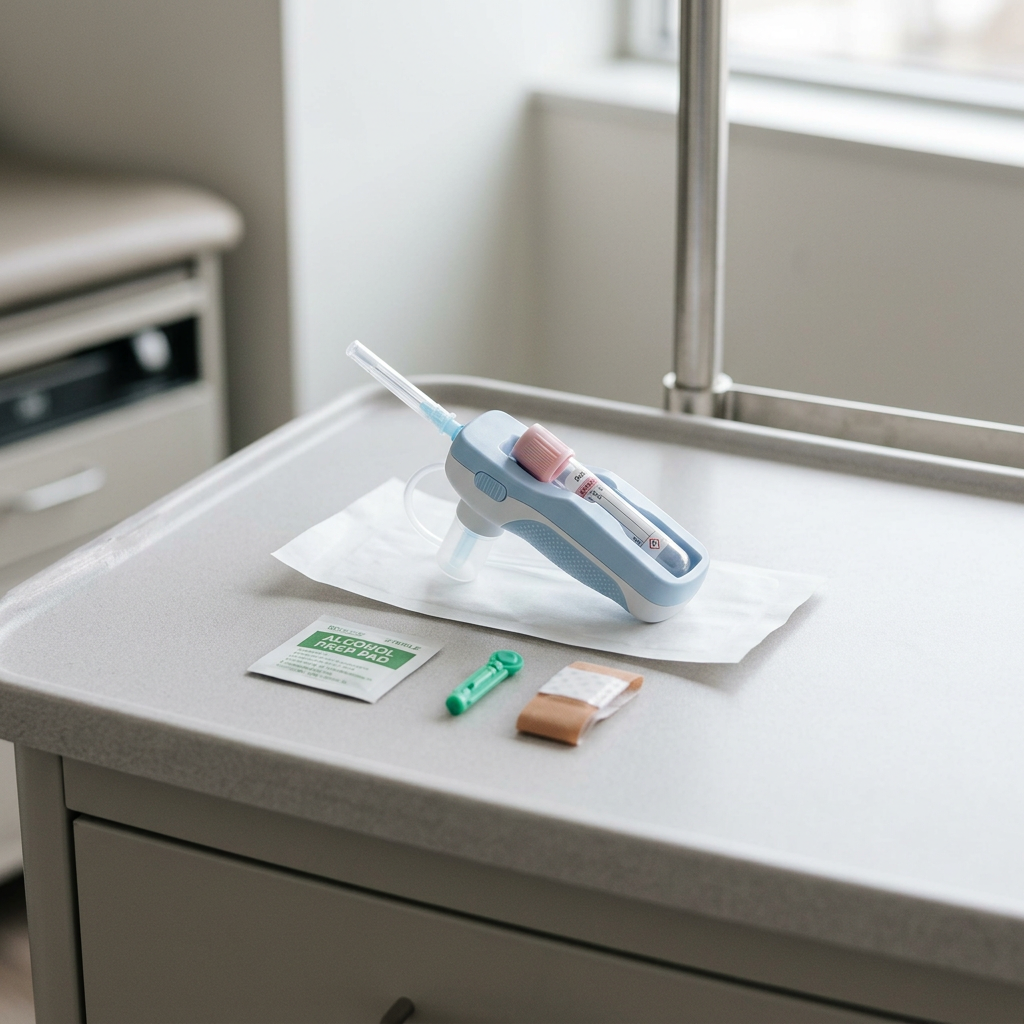
Traditional clinic-based blood work requires booking an appointment, visiting a lab, and waiting for results that may take days. At-home inflammation testing eliminates several of those friction points. Companies like Biomi offer physician-reviewed blood panels that can be completed through at-home blood collection, with results delivered through a secure digital dashboard. The underlying lab analysis is identical to what a clinic uses, because the samples are processed in the same accredited Canadian laboratories.
The practical advantage is consistency. When you can monitor inflammation levels from home on a recurring schedule, you build longitudinal data that reveals trends a single annual physical would miss. This is where inflammation testing Canada options have improved dramatically in recent years, making preventive health screening more accessible than ever.

Conclusion
Testing for chronic inflammation does not require waiting for symptoms to become severe or navigating a complicated healthcare process. By measuring key biomarkers like CRP and ESR through accessible blood testing, Canadians can identify hidden inflammatory risk early and take meaningful steps to reduce inflammation naturally through lifestyle changes and ongoing monitoring. The shift toward at-home, data-driven health tools from companies like Biomi means that proactive inflammation testing is now practical for anyone willing to invest in understanding what is happening inside their body. The earlier you establish a baseline, the more power you have to protect your long-term health and longevity.
Frequently Asked Questions (FAQs)
What causes inflammation in the body?
Chronic inflammation is caused by persistent triggers such as poor diet, stress, lack of exercise, autoimmune conditions, and environmental toxins that keep the immune system activated over extended periods.
How can I test for inflammation?
The most reliable method is a blood test that measures inflammation biomarkers like high-sensitivity CRP and ESR, which can be ordered through a clinic or an at-home testing service in Canada.
Can blood tests detect inflammation?
Yes, blood tests are the standard clinical method for detecting both acute and chronic inflammation by measuring proteins and sedimentation rates that rise when inflammatory activity is present.
What are signs of chronic inflammation?
Common signs include persistent fatigue, joint stiffness, digestive problems, brain fog, recurring infections, and skin conditions, though many people experience no obvious symptoms at all.
How does inflammation impact longevity?
Chronic systemic inflammation accelerates cellular aging, damages blood vessels, and increases the risk of cardiovascular disease, diabetes, and neurodegenerative conditions that shorten healthspan and lifespan.
Is inflammation testing available in Canada?
Yes, inflammation testing is widely available across Canada through both traditional lab requisitions from a physician and direct-to-consumer at-home blood collection services that use accredited laboratories.
What is the best inflammation test in Canada?
A combined panel measuring high-sensitivity CRP and ESR offers the most comprehensive baseline assessment for chronic inflammation, and both tests are available through at-home and clinic-based options across Canada.
About the author

Medical Research Content Advisor
Combines medical research and functional medicine expertise to create educational content on health biomarkers, disease prevention, and longevity.
Related articles
- Biomarker Testing in Canada: 50+ Markers
Explore biomarker testing in Canada with 50+ markers covering heart, thyroid, and hormonal health. Get physician-reviewed insights today.
- Blood Biomarkers Explained: What They Reveal About Your Health
Discover what blood biomarkers reveal about your heart, hormones, and metabolism. Learn how to read your results and take control of your health today.
- Biological Age Blood Test: Know Your True Age
Discover what a biological age test reveals about your true age. Learn how it works and start tracking your health with Biomi today.
- Comprehensive Longevity Blood Panel in Ontario
Discover what a comprehensive longevity blood panel in Ontario covers and why it beats standard checkups. Book your test with Biomi today.
- Private blood testing Montreal longevity markers
Discover how private blood testing in Montreal reveals key longevity markers for proactive, science-backed health insights. Start tracking today.
Read article: Biomarker Testing in Canada: 50+ MarkersRead article: Blood Biomarkers Explained: What They Reveal About Your HealthRead article: Biological Age Blood Test: Know Your True AgeRead article: Comprehensive Longevity Blood Panel in OntarioRead article: Private blood testing Montreal longevity markers