English
Heart Rate Variability: A Guide to Longevity Tracking 2026
Par Dr. Emily Carter

Introduction
Heart rate variability (HRV) is the fluctuation in time between consecutive heartbeats, and it stands as one of the most revealing biomarker tracking tools for recovery, stress, and long-term healthspan. A higher, stable HRV generally signals a resilient nervous system, while a sustained decline often flags accumulating physiological strain before symptoms appear. Unlike a resting heart rate that only tells you how fast your heart beats, HRV reveals how adaptable your body is to internal and external demands. Studies of centenarians even show measurable HRV differences in people who postpone age-related disease. That single metric, read over time, becomes a precise feedback loop for how you sleep, train, eat, and manage pressure.
Key Takeaways:
HRV measures nervous system adaptability, making it more informative than heart rate alone for tracking recovery and stress.
Trends over weeks matter far more than any single daily reading when using HRV for longevity optimization.
Lifestyle levers like sleep, alcohol, and training load directly shift HRV, turning it into an actionable health signal.
What HRV Actually Measures and Why It Matters
Your heart does not beat like a metronome. The tiny variations between beats reflect the constant push and pull of your autonomic nervous system, and reading those variations tells you whether your body is leaning toward recovery or stress. This is why HRV has become a cornerstone of preventive health metrics for data-conscious individuals who want an early warning system rather than a late diagnosis.
HRV and Nervous System Recovery
HRV reflects the balance between your sympathetic (fight-or-flight) and parasympathetic (rest-and-digest) branches, and that balance is the clearest window into how well you are recovering. When the parasympathetic system dominates during rest, beat-to-beat variation rises, indicating your body has capacity to adapt. HRV is best understood as an emergent regulatory property that responds to physical and psychological challenges.
Parasympathetic tone: Higher activity during rest typically raises HRV and signals strong recovery capacity.
Sympathetic load: Chronic activation from stress, illness, or overtraining suppresses HRV over time.
Sleep quality: Deep, uninterrupted sleep is one of the strongest drivers of overnight HRV improvement.
Training readiness: A rebounding HRV suggests your body is ready for intensity, while a suppressed reading suggests holding back.
HRV vs Heart Rate Differences
Heart rate tells you how many times your heart beats per minute, while HRV tells you how much the spacing between those beats changes, and that distinction carries most of the diagnostic value. A low resting heart rate can look healthy, but if the beat-to-beat spacing is rigid, your nervous system may be under strain. Research consistently links low HRV with higher cardiovascular risk and high HRV with fitness and resilience, which is why HRV often surfaces problems that heart rate misses. Understanding this difference is the foundation for understanding your own HRV score in context rather than chasing a single number.
Turning HRV Into a Longevity Tool
A single HRV reading is noise. A trend line across weeks and months is signal, and it is that longitudinal view that connects daily habits to long-term outcomes. Treating HRV as a longevity metric means watching your personal baseline shift in response to interventions rather than comparing yourself to a population average.
Wearables, Apps, and Laboratory Testing Compared
The tool you choose shapes both the accuracy and the meaning of your data. Consumer wearables excel at capturing frequent overnight readings and spotting trends, while lab-based work adds the clinical context that a wrist sensor cannot provide. The table below compares how each approach fits into a serious tracking routine.
Here is how the main methods for capturing and interpreting HRV data stack up on the factors that matter most.
Method | Best For | Data Frequency | Clinical Context |
|---|---|---|---|
Chest strap monitor | Highest accuracy readings | On-demand sessions | Low |
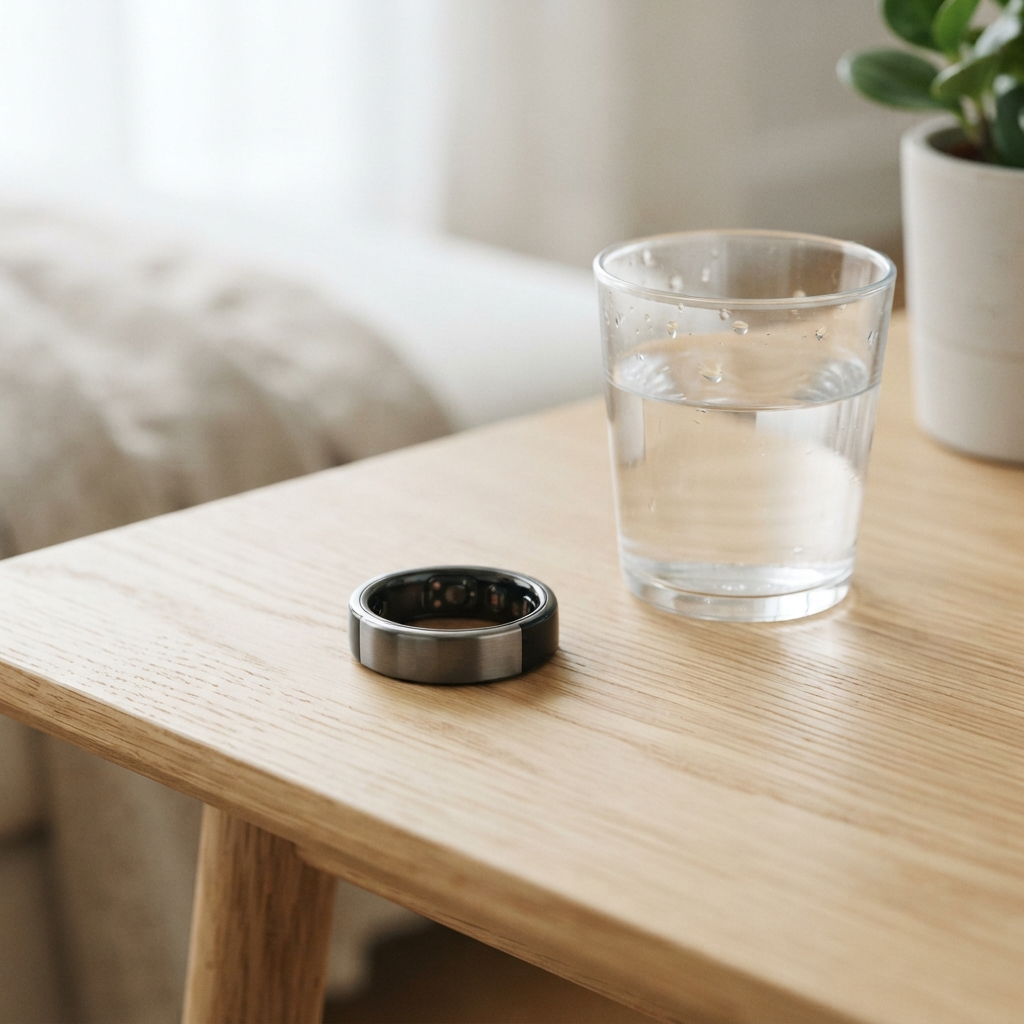
Wrist or ring wearable | Daily trend tracking | Continuous overnight | Low |
HRV tracking apps | Convenient spot checks | Manual daily | Low |
Laboratory biomarker testing | Root-cause investigation | Periodic | High |
The best wearables give you reliable HRV data and daily trends, but they cannot explain why your baseline is drifting. Pairing wearable trends with periodic bloodwork closes that gap, which is where combining apps with lab testing becomes far more actionable than either source alone. The comparison of HRV tracking apps versus laboratory biomarker testing is not about picking a winner; it is about layering the two.
Personalizing Health With HRV Trends
Your HRV baseline is unique, so the goal is to detect meaningful deviations from your own normal rather than hitting a universal target. A three to five percent drop sustained across several days often points to an unresolved stressor, whether that is poor sleep, an incoming illness, or accumulated training fatigue. HRV serves as an objective marker of stress regulation, which lets you separate a rough day from a chronic pattern. This kind of longitudinal health tracking transforms scattered readings into a coherent story about your physiology, and it is where preventive health testing in Canada is increasingly heading.

Improving and Interpreting Your HRV
HRV is one of the few biomarkers you can move within days through deliberate lifestyle changes. The same inputs that support longevity - consistent sleep, controlled stress, and smart training - all register directly in your HRV trend.
Lifestyle Levers That Move HRV
Improving heart rate variability through lifestyle comes down to reducing chronic sympathetic load and supporting recovery. Consistent sleep timing, controlled alcohol intake, aerobic conditioning, and breathwork all reliably lift HRV over time, while poor sleep and heavy drinking suppress it almost immediately. Research in exceptionally long-lived populations shows that a well-regulated autonomic system is a hallmark of those who postpone age-related diseases. Combining HRV with broader long-term health biomarker data gives you a fuller picture than any wearable metric on its own.
Common Myths About High and Low Scores
A higher HRV is generally favorable, but chasing the biggest possible number misses the point, because context and consistency matter more than peaks. Extremely high readings can occasionally reflect fatigue or illness rather than fitness, and a temporarily low score after a hard workout is a normal, healthy response. What matters is whether your baseline is stable or steadily declining, and that is exactly why platforms like Biomi frame HRV alongside physician-reviewed bloodwork rather than in isolation. Reading the metric this way keeps you focused on genuine longevity optimization instead of daily anxiety over a fluctuating figure.
Conclusion
Heart rate variability earns its place in a longevity routine because it converts an invisible balance, your nervous system's push toward stress or recovery, into a number you can act on. The value comes not from any single reading but from the trend, watched over weeks and interpreted against your personal baseline. Wearables capture that trend, while periodic biomarker testing explains what is driving it, and together they form a complete feedback loop. Treat a sustained dip as a prompt to adjust sleep, training, or stress rather than a verdict, and let the data guide small, consistent corrections. Done this way, HRV becomes less of a gadget metric and more of a genuine tool for extending your healthspan.
Ready to see how your HRV fits into the bigger biomarker picture? Explore preventive health tracking with Biomi to turn scattered readings into physician-reviewed, actionable insight.
Frequently Asked Questions (FAQs)
What is heart rate variability and why does it matter?
Heart rate variability is the variation in time between heartbeats, and it matters because it reflects how well your nervous system adapts to stress and recovery.
How often should I check my heart rate variability?
Daily overnight readings work best, since HRV is most meaningful as a multi-week trend rather than an isolated snapshot.
Can HRV help predict burnout?
Yes, a sustained decline in HRV often precedes burnout by signaling chronic sympathetic activation before you consciously feel overwhelmed.
Is high heart rate variability always better?
Not always, because unusually high readings can occasionally reflect fatigue or illness, so a stable personal baseline matters more than a peak number.
Does alcohol intake affect heart rate variability?
Yes, alcohol typically suppresses HRV for the night or two following consumption by increasing sympathetic nervous system activity during sleep.
What is a good HRV score for my age?
There is no universal ideal, since HRV declines with age and varies widely between individuals, so your own baseline trend is the most useful reference.
À propos de l'auteur

Senior Health Content Strategist
Specializes in preventive health, biomarker analysis, and longevity science.
Articles connexes
- Biological Age Blood Test: What It Measures and Why It Matters
Curious about your biological age blood test results? Explore key biomarkers, what they reveal, and how to start optimizing your longevity today.
- At-Home Blood Draw for Health Testing in Calgary: How It Works
Discover how at-home blood draw testing works in Calgary, from booking to physician-reviewed results. Book your mobile blood collection today.
- What Is Biomi? Biomarker Testing and Biological Age Explained
Discover what Biomi is and how biomarker tracking reveals your biological age vs chronological age. Start your health journey today.
- Home Blood Draw: What to Expect Before Your Appointment
Booking a home blood test? Learn exactly what to expect before your appointment, from prep tips to physician-reviewed results with Biomi.
- What Is Longevity Testing? How It Works and What to Expect
Curious about longevity testing? Learn how this biomarker blood test works, what to expect, and how it reveals your biological age. Start today.
Lire l'article: Biological Age Blood Test: What It Measures and Why It MattersLire l'article: At-Home Blood Draw for Health Testing in Calgary: How It WorksLire l'article: What Is Biomi? Biomarker Testing and Biological Age ExplainedLire l'article: Home Blood Draw: What to Expect Before Your AppointmentLire l'article: What Is Longevity Testing? How It Works and What to Expect