English
What Is Longevity Testing and Is It Worth It?
Par Dr. Emily Carter

Introduction
Longevity testing is a proactive approach to health assessment that uses advanced biomarker analysis to measure how well your body is aging at the cellular and systemic level. Unlike a standard annual physical that checks for existing conditions, this type of preventive health screening captures early signals of metabolic dysfunction, inflammation, and hormonal imbalance before symptoms ever appear. Investing in chronic disease prevention can help identify health risks before symptoms appear. For health-conscious Canadians weighing whether biological age testing delivers real value, the answer depends on how much you want to know about what is happening inside your body right now. The gap between a routine checkup and a comprehensive, data-driven health assessment is wider than most people realize, and that gap is precisely where longevity testing operates.
Key Takeaway: Longevity testing goes beyond surface-level screening by analyzing dozens of biomarkers to reveal your biological age, disease risk, and optimization opportunities, making it a powerful tool for anyone serious about long-term health.
Understanding Longevity Testing and What It Measures
Longevity testing refers to a category of health assessments designed to quantify how your body is functioning relative to its potential, not just relative to disease thresholds. Where traditional medicine asks "are you sick?", longevity testing asks "how optimally are you aging, and what can be improved?" This shift from reactive to proactive healthcare is central to the emerging discipline of longevity medicine, which focuses on extending healthspan rather than simply treating disease after onset.
Key Biomarkers Tracked in a Longevity Panel
A comprehensive longevity panel typically covers 50 to 65 or more individual biomarkers, far exceeding what your family doctor orders during a routine visit. These markers span multiple body systems to create a full picture of internal health. The specific biomarkers tracked for long-term health can vary by provider, but most panels include the following categories.
Metabolic markers: Fasting glucose, HbA1c, insulin, and lipid subfractions (ApoB, LDL particle count) reveal metabolic efficiency and cardiovascular risk.
Inflammatory markers: High-sensitivity CRP, homocysteine, and ferritin help detect chronic low-grade inflammation linked to accelerated aging.
Hormonal markers: Thyroid panel (TSH, free T3, free T4), cortisol, DHEA-S, and sex hormones indicate endocrine health and recovery capacity
Organ function markers: Liver enzymes, kidney filtration rate, and complete blood count assess the performance of vital organ systems.
Nutritional and recovery markers: Vitamin D, B12, magnesium, omega-3 index, and iron studies identify deficiencies that impair recovery optimization and longevity outcomes
How Biological Age Differs from Chronological Age
Chronological age is simply the number of years since you were born. Biological age, by contrast, reflects the actual condition and functional capacity of your cells, tissues, and organ systems. Two people who are both 45 years old chronologically can have biological ages that differ by a decade or more, depending on genetics, lifestyle, sleep quality, nutrition, and accumulated environmental exposures. Biological age testing uses composite scoring algorithms built on blood biomarkers to calculate biological age, giving you a single metric that reflects how quickly or slowly your body is actually aging. This number is not fixed. It responds to targeted interventions, which is exactly what makes it clinically useful. Services like those measuring biological versus chronological age have made this type of testing increasingly accessible beyond academic research settings.
Is Longevity Testing Worth It? Weighing Value Against Cost
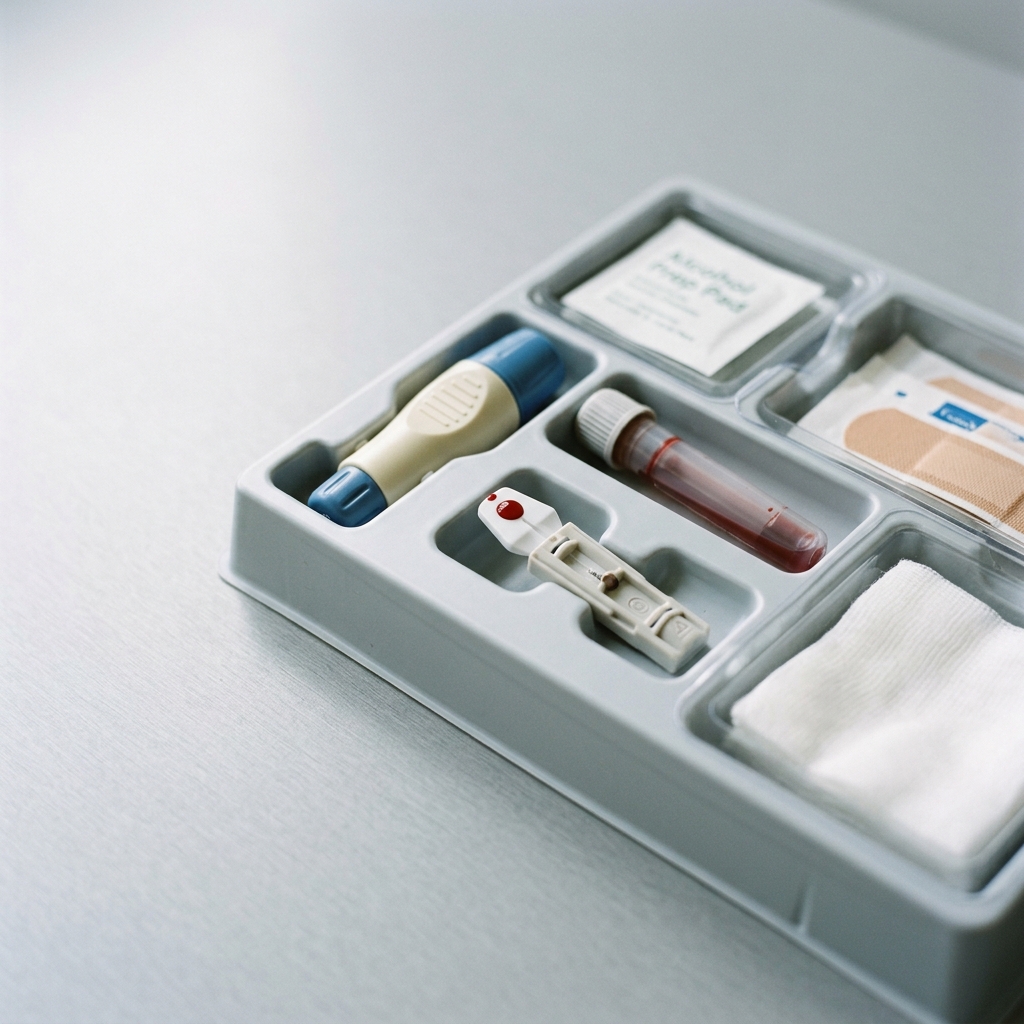
The question of whether health optimization blood work justifies the investment depends on what you compare it to and what you plan to do with the results. For someone who relies solely on a standard physical, a longevity panel fills critical blind spots. For someone who has no intention of acting on the data, it is an expensive report card. The real value sits between those extremes, and the comparison below clarifies where.
Longevity Testing vs. Annual Physical: A Direct Comparison
The most common reference point for Canadians evaluating longevity testing is their existing annual physical. The table below highlights the practical differences that matter most when deciding whether to upgrade your approach to preventive care versus reactive screening.
Criteria | Standard Annual Physical | Longevity Testing Panel |
|---|---|---|
Biomarkers tested | 8 to 15 basic markers | 50 to 65+ markers across multiple systems |
Focus | Disease detection and symptom review | Early risk detection and optimization |
Biological age estimate | Not included | Included via composite biomarker scoring |
Personalized recommendations | General lifestyle advice | Data-specific guidance tied to results |
Typical cost in Canada | Covered by provincial health plans | $200 to $900+ depending on panel depth |
Frequency recommendation | Once per year | Every 3 to 6 months for tracking trends |
Longitudinal tracking | Basic chart notes | Dashboard with trend visualization |
The most significant difference is scope. A standard physical catches problems that have already progressed far enough to show up on a narrow panel. Longevity testing, by contrast, surfaces subclinical patterns, such as rising insulin resistance or creeping inflammation, that are still reversible with lifestyle adjustments. For a deeper breakdown of this distinction, the comparison between longevity blood tests and a standard annual physical outlines specific scenarios where the added data changes clinical outcomes.
Who Benefits Most from Longevity Testing
Longevity testing delivers the highest return for people who fit a specific profile: data-driven, willing to act on results, and proactive about early disease detection testing. Professionals in high-performance roles benefit from tracking cortisol, thyroid function, and sleep-related markers that directly affect cognitive output. Adults over 35 who want to use health data to predict and prevent disease gain a tangible advantage by establishing baseline biomarker values before age-related decline accelerates.
Corporate teams also increasingly adopt biomarker testing as an employee benefit. Employers who offer comprehensive panels see measurable engagement from employees who value transparency and personalized health insights. Biomi, for instance, provides turnkey corporate health solutions that include at-home blood collection, physician-reviewed results, and administrative tools that make enrollment straightforward for HR teams. The value proposition is especially clear in longevity testing in Canada, where provincial healthcare covers basic screening but leaves a significant gap in preventive optimization.

Conclusion
Longevity testing is not a replacement for your family doctor, but it fills a diagnostic gap that standard physicals were never designed to cover. By measuring 50 to 65 or more biomarkers across metabolic, hormonal, inflammatory, and nutritional systems, it gives you a detailed map of internal health and a clear biological age estimate you can act on. For Canadians who want to move beyond reactive healthcare, platforms like Biomi's longevity testing frequency guide can help you determine the right cadence for ongoing monitoring. The investment is most worthwhile when you commit to tracking trends over time and using personalized insights to adjust nutrition, exercise, sleep, and supplementation accordingly.
Frequently Asked Questions (FAQs)
What is longevity testing?
Longevity testing is a comprehensive health assessment that analyzes dozens of blood biomarkers to evaluate how well your body is aging and to identify early risk factors before symptoms develop.
What are the best biomarkers for longevity?
The most informative biomarkers include HbA1c, ApoB, high-sensitivity CRP, fasting insulin, vitamin D, DHEA-S, and thyroid hormones, as they collectively reflect metabolic, cardiovascular, inflammatory, and hormonal health.
How can I test my biological age?
Biological age can be tested through a comprehensive blood panel that uses composite scoring algorithms to compare your biomarker results against age-adjusted population benchmarks.
What does a comprehensive health assessment include?
A comprehensive assessment typically includes 50 to 65 or more biomarkers covering metabolic function, organ health, hormonal balance, inflammatory status, and key nutritional deficiencies, along with physician-reviewed interpretation.
How does longevity testing compare to a regular annual physical?
An annual physical tests 8 to 15 basic markers to screen for existing disease, while longevity testing analyzes 50 or more markers to detect subclinical patterns and provide personalized optimization guidance.
What is the cost of comprehensive longevity testing in Canada?
Comprehensive longevity testing in Canada typically costs between $200 and $900 or more per session, i on depending on the depth of the panel and whether at-home collection or clinic visits are included.
Which longevity testing service is best in Canada?
The best service depends on your goals and budget, but top-rated options offer physician-reviewed results, at-home blood collection, longitudinal tracking dashboards, and panels covering 50 or more biomarkers across multiple body systems.
À propos de l'auteur

Senior Health Content Strategist
Specializes in preventive health, biomarker analysis, and longevity science.
Articles connexes
- What Is a Biological Age Blood Test and How Accurate Is It?
Discover what a biological age blood test measures and how accurate it really is. Learn the science behind biomarker health tracking today.
- How At-Home Blood Draw Health Testing Works in Calgary (2026 Guide)
Curious about private blood testing Calgary residents trust? Learn how mobile blood collection services simplify preventive health screening in 2026.
- Biomarker Testing in Canada: What It Is, What It Costs, and How to Get Started
Discover how biomarker testing Canada works, what it costs, and how to start your health journey with physician-reviewed results and at-home collection.
- Biological Age Tests Compared: Which One Actually Tells You How Old You Really Are?
Confused about biological age tests? We compare the top methods to help you find the best biological age test for accurate, actionable results.
- Most Affordable Longevity Blood Tests in Canada: What You Get at Every Price Point
Looking for the cheapest longevity blood test in Canada? See what's included at each price tier, from basic panels to full biological age testing.
Lire l'article: What Is a Biological Age Blood Test and How Accurate Is It?Lire l'article: How At-Home Blood Draw Health Testing Works in Calgary (2026 Guide)Lire l'article: Biomarker Testing in Canada: What It Is, What It Costs, and How to Get StartedLire l'article: Biological Age Tests Compared: Which One Actually Tells You How Old You Really Are?Lire l'article: Most Affordable Longevity Blood Tests in Canada: What You Get at Every Price Point