English
Low Hemoglobin: Causes, Symptoms, and How to Fix It
Par Dr. Ethan Brooks

Introduction
Low hemoglobin affects millions of Canadians, yet many dismiss the warning signs as everyday tiredness or stress. A hemoglobin blood test is the most direct way to confirm whether declining energy, shortness of breath, or difficulty concentrating stems from a measurable deficiency in this critical protein. Hemoglobin is the oxygen-carrying component of red blood cells, and when levels drop below normal ranges, every organ in the body receives less fuel than it needs. Understanding what drives hemoglobin decline, recognizing symptoms early, and knowing exactly how to respond can prevent a manageable issue from becoming a serious health problem.
Key Takeaway: Low hemoglobin most commonly results from iron deficiency, nutritional gaps, or underlying chronic conditions, and it is both testable and treatable when caught early through routine blood work and targeted dietary or medical interventions.
What Hemoglobin Does and Why It Matters
Hemoglobin is a protein found in red blood cells that binds to oxygen in the lungs and delivers it to tissues throughout the body. Without adequate hemoglobin, oxygen transport slows, and cells struggle to produce the energy required for basic functions like muscle movement, cognitive processing, and immune response.
The Role of the Hemoglobin Protein in Oxygen Delivery
Each hemoglobin molecule contains four iron atoms, and each iron atom can bind one oxygen molecule. This means hemoglobin and iron are functionally inseparable: without sufficient iron, the body cannot produce enough functional hemoglobin to meet its oxygen demands. The result is a cascading energy deficit that touches nearly every system.
Muscle performance: reduced oxygen delivery leads to weakness, cramping, and slower recovery after physical activity
Brain function: neurons require constant oxygen flow, so hemoglobin deficiency often manifests as brain fog and poor concentration
Immune response: white blood cells depend on adequate oxygenation to mount effective responses against infection
Heart workload: the heart compensates for low oxygen by pumping faster, which can cause palpitations and long-term strain
Normal Hemoglobin Ranges and What Counts as Low
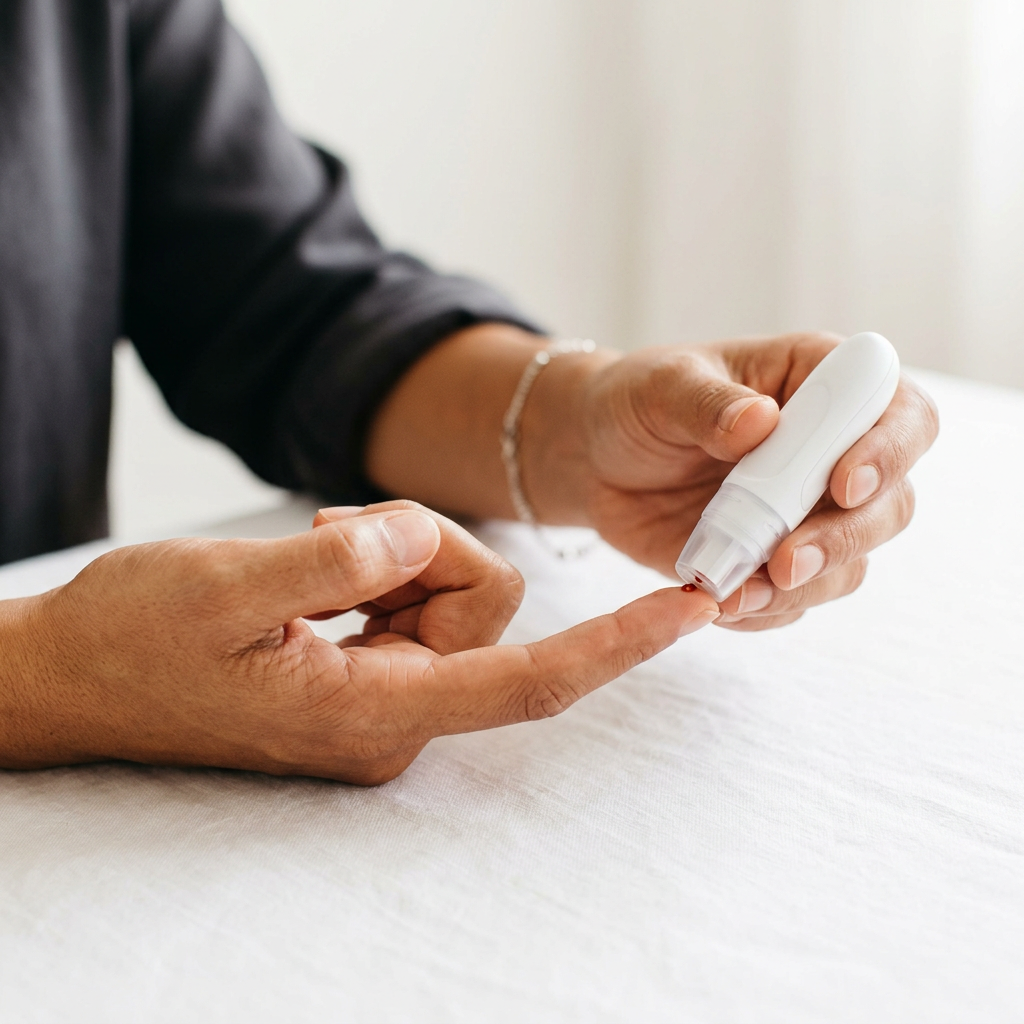
For adult men, normal hemoglobin typically falls between 135 and 175 g/L, while for adult women the range is 120 to 160 g/L. Anemia hemoglobin levels are generally defined as below 130 g/L for men and below 120 g/L for women, though these thresholds can shift based on age, pregnancy status, and altitude. Referencing your results against hemoglobin levels by age and gender provides a clearer picture of where you stand relative to your specific demographic.
Common Causes and Recognizable Symptoms
Hemoglobin can drop for a wide range of reasons, from straightforward nutritional gaps to complex chronic conditions. Identifying the root cause is essential because treatment differs dramatically depending on what is driving the decline.
Why Hemoglobin Drops: Iron, Nutrition, and Chronic Conditions
Iron deficiency anemia is the leading cause of low hemoglobin globally and is particularly prevalent among women of menstruating age, pregnant individuals, and those following restrictive diets. Heavy menstrual bleeding, gastrointestinal conditions that impair nutrient absorption, and diets lacking in iron, vitamin B12, or folate all contribute directly to hemoglobin decline through iron deficiency. Beyond nutrition, chronic kidney disease, inflammatory disorders, and certain cancers can suppress red blood cell production or accelerate their destruction.
Blood loss is another significant and sometimes hidden driver. Slow internal bleeding from ulcers or polyps may go undetected for months, gradually depleting iron stores and hemoglobin. Anyone experiencing unexplained drops should consider whether iron deficiency symptoms align with their experience, as early recognition dramatically improves outcomes.
Symptoms That Signal a Problem
The symptoms of low hemoglobin develop gradually, which is precisely why they are so often attributed to lifestyle factors rather than a medical issue. Persistent fatigue that does not resolve with rest is the hallmark sign. Shortness of breath during routine activities like climbing stairs or walking short distances follows closely, as the body struggles to compensate for reduced oxygen delivery.
Pale skin, cold hands and feet, dizziness, and brittle nails are additional indicators. Some individuals experience headaches, chest pain, or an unusually rapid heartbeat. The danger lies in normalization: when these symptoms build slowly over weeks or months, many people adjust their daily routines around them rather than investigating the cause through a hemoglobin blood test.

How to Increase Hemoglobin: Natural and Medical Approaches
Raising hemoglobin levels requires addressing the underlying cause, not just the number on your lab report. The following approaches range from dietary changes that anyone can implement to medical interventions that require clinical guidance.
Dietary and Lifestyle Strategies
Knowing how to increase hemoglobin naturally starts with optimizing iron intake and absorption. The table below compares dietary and supplemental strategies to help you evaluate which approach fits your situation.
Strategy | Best For | Key Details | Time to Impact |
|---|---|---|---|
Iron-rich foods (heme) | Mild deficiency, general prevention | Red meat, liver, shellfish; highest absorption rate (15-35%) | 4-8 weeks |
Iron-rich foods (non-heme) | Vegetarians, plant-based diets | Spinach, lentils, fortified cereals; pair with vitamin C to boost absorption | 6-12 weeks |
Oral iron supplements | Confirmed deficiency via blood test | Ferrous sulfate or bisglycinate; take on an empty stomach when tolerated | 4-6 weeks |
B12 and folate supplementation | Non-iron-related hemoglobin drops | Critical for red blood cell maturation; common gap in vegan diets | 4-8 weeks |
Absorption optimization | All individuals | Avoid calcium, tea, and coffee with iron-rich meals; add citrus or bell peppers. | Immediate improvement in nutrient uptake |
The most important takeaway is that not all iron sources are equal. Heme iron from animal products absorbs at roughly double the rate of plant-based non-heme iron, which means vegetarians and vegans need to be especially strategic about pairing foods and may benefit from tracking micronutrient levels through regular testing.
Medical Treatments and When to Seek Professional Testing
When dietary changes are insufficient, or when hemoglobin drops below clinically significant thresholds, medical intervention becomes necessary. Intravenous iron infusions bypass the gut entirely and are often prescribed for individuals with absorption disorders or severe iron deficiency. In cases of chronic kidney disease, erythropoiesis-stimulating agents may be used to promote red blood cell production. Severe anemia with hemoglobin below 70 g/L may require blood transfusions.
Preventive health screening in Canada is evolving beyond the annual physical. A complete blood count that includes hemoglobin is the standard diagnostic starting point, and understanding CBC blood test markers helps contextualize results. For Canadians who want ongoing visibility into their hemoglobin and iron status without waiting for a clinic appointment, Biomi offers at-home blood collection with physician-reviewed results and longitudinal tracking through a secure dashboard. This kind of hemoglobin monitoring makes it practical to catch subtle downward trends before they become clinical problems.
Conclusion
Low hemoglobin is a common, measurable, and correctable condition that deserves attention well before it progresses to severe anemia. Whether the root cause is dietary iron gaps, vitamin B12 deficiency, or a chronic condition affecting red blood cell production, the path forward begins with testing. Combining targeted nutritional strategies with regular biomarker testing provides the data needed to track progress and adjust course. Biomi's approach to at-home blood draws removes the barriers that keep many Canadians from monitoring this critical marker. Taking control of hemoglobin levels is one of the most direct steps toward sustained energy, sharper cognition, and long-term wellbeing.
Frequently Asked Questions (FAQs)
What causes low hemoglobin?
The most common causes are iron deficiency, vitamin B12 or folate deficiency, chronic blood loss, kidney disease, and inflammatory conditions that suppress red blood cell production.
Can low hemoglobin cause fatigue?
Yes, fatigue is the most prevalent symptom because low hemoglobin reduces oxygen delivery to muscles and organs, forcing the body to operate with less energy.
Is hemoglobin related to iron?
Hemoglobin depends directly on iron to bind and transport oxygen, which is why iron deficiency is the leading cause of low hemoglobin worldwide.
What hemoglobin level is considered anemia?
Anemia is generally diagnosed when hemoglobin falls below 130 g/L in adult men or below 120 g/L in adult women, though thresholds vary by age and clinical context.
How often should I test my hemoglobin in Canada?
Testing at least once per year is recommended for most adults, with more frequent monitoring every three to six months for individuals with known deficiencies, heavy menstruation, or chronic conditions.
How does hemoglobin vs hematocrit differ?
Hemoglobin measures the concentration of the oxygen-carrying protein in your blood, while hematocrit measures the percentage of total blood volume occupied by red blood cells.
What is the best hemoglobin test for anemia detection?
A complete blood count is the standard and most reliable test for anemia detection, as it measures hemoglobin alongside related markers like red blood cell count, hematocrit, and mean corpuscular volume.
À propos de l'auteur

Medical Research Content Advisor
Combines medical research and functional medicine expertise to create educational content on health biomarkers, disease prevention, and longevity.
Articles connexes
- Biomarker Testing in Canada: 50+ Markers
Explore biomarker testing in Canada with 50+ markers covering heart, thyroid, and hormonal health. Get physician-reviewed insights today.
- Blood Biomarkers Explained: What They Reveal About Your Health
Discover what blood biomarkers reveal about your heart, hormones, and metabolism. Learn how to read your results and take control of your health today.
- Biological Age Blood Test: Know Your True Age
Discover what a biological age test reveals about your true age. Learn how it works and start tracking your health with Biomi today.
- Comprehensive Longevity Blood Panel in Ontario
Discover what a comprehensive longevity blood panel in Ontario covers and why it beats standard checkups. Book your test with Biomi today.
- Private blood testing Montreal longevity markers
Discover how private blood testing in Montreal reveals key longevity markers for proactive, science-backed health insights. Start tracking today.
Lire l'article: Biomarker Testing in Canada: 50+ MarkersLire l'article: Blood Biomarkers Explained: What They Reveal About Your HealthLire l'article: Biological Age Blood Test: Know Your True AgeLire l'article: Comprehensive Longevity Blood Panel in OntarioLire l'article: Private blood testing Montreal longevity markers