English
Key Biomarkers That Affect Sleep Recovery and Energy

Introduction
Waking up exhausted despite a full night of sleep is one of the most frustrating health experiences, and it is far more common than most people realise. The root cause often has nothing to do with mattress quality or bedtime routines. Instead, specific biomarker data tied to sleep recovery can reveal exactly why the body fails to recharge. Markers like cortisol, thyroid hormones, vitamin D, and inflammatory proteins operate behind the scenes, dictating how deeply you sleep and how energised you feel the next morning. Tracking these markers through blood testing turns vague complaints about fatigue into a concrete, measurable picture of what needs to change. Understanding the long-term effects of sleep deprivation can help explain why persistent fatigue should not be ignored.
Hormonal Biomarkers That Regulate Sleep and Recovery
Hormones act as the body's internal signalling system, and several of them directly control the timing, depth, and restorative quality of sleep. When these signals are even slightly off, the downstream effects on energy recovery can be significant. Understanding which hormonal biomarkers to watch is the foundation of any personalised approach to sleep optimisation.
Cortisol: The Stress Hormone Behind Disrupted Sleep
Cortisol follows a natural diurnal rhythm. It peaks in the early morning to help you wake up, then gradually declines throughout the day, reaching its lowest point around midnight. When chronic stress, overtraining, or illness disrupts this curve, the result is elevated nighttime cortisol that keeps the nervous system in a state of alertness. Research published in the journal Sleep has linked dysregulated cortisol patterns to reduced slow-wave sleep and increased nighttime awakenings.
Flat cortisol curve: Morning cortisol fails to spike, leaving you groggy; evening cortisol stays high, delaying sleep onset
Testing timing: A morning fasting sample combined with an evening sample gives the clearest picture of your cortisol rhythm
Actionable threshold: Morning cortisol below 250 nmol/L or above 550 nmol/L warrants further investigation with a healthcare provider
Recovery connection: Persistently elevated cortisol suppresses growth hormone release, which the body depends on for overnight tissue repair
Thyroid Hormones: The Hidden Engine of Daily Energy
TSH, free T3, and free T4 form the thyroid hormone panel most relevant to sleep quality and sustained energy. Hypothyroidism, even in its subclinical form, slows metabolic rate and contributes to persistent fatigue that no amount of rest seems to fix. Hyperthyroid states create a different problem: an overactive system that produces restlessness, difficulty falling asleep, and a racing heart at bedtime. Blood biomarkers decoded through proper testing can identify thyroid irregularities long before obvious symptoms appear.
Thyroid biomarkers related to energy and fatigue are especially relevant for Canadians, where subclinical thyroid dysfunction is underdiagnosed. Tracking TSH alongside free T3 and free T4 (rather than TSH alone) provides a more complete understanding of how efficiently the thyroid is converting and delivering energy at the cellular level.
Nutritional and Inflammatory Markers That Shape Sleep Quality
Hormones do not operate in isolation. Nutritional deficiencies and chronic low-grade inflammation create the conditions that either support or sabotage recovery. These markers are often overlooked during standard checkups, yet they have a direct, measurable influence on how well the body transitions through sleep stages and replenishes energy stores overnight.
Vitamin D and Magnesium: Nutritional Pillars of Sleep Duration
Vitamin D receptors exist throughout the brain, including in regions that regulate sleep. A 2024 systematic review in Frontiers in Nutrition confirmed that low serum vitamin D levels correlate with shorter sleep duration, more frequent night awakenings, and poorer subjective sleep quality. For Canadians living at northern latitudes, vitamin D insufficiency is remarkably common from October through April, making it one of the most actionable nutritional biomarkers to track for sleep health.
Magnesium plays a complementary role. It activates the parasympathetic nervous system, the branch responsible for calming the body into a rest state. Low biomarkers for magnesium are associated with heightened nervous system excitability, muscle cramps, and difficulty falling asleep. When both vitamin D and magnesium are optimised together, the effect on sleep architecture tends to be more pronounced than correcting either one alone. Testing both markers simultaneously offers a clearer picture for anyone serious about using biomarkers to optimise sleep.
CRP and Inflammatory Markers: The Fatigue Connection
C-reactive protein (CRP) is one of the most accessible markers of systemic inflammation. Elevated high-sensitivity CRP (hs-CRP) does not just signal cardiovascular risk. It is also closely linked to fatigue, poor recovery, and disrupted sleep. Inflammatory cytokines interfere with sleep continuity and reduce the proportion of time spent in restorative deep sleep stages. A 2024 study demonstrated that individuals with chronically elevated inflammatory markers reported significantly worse sleep quality and lower daytime energy compared to those with normal inflammatory profiles.
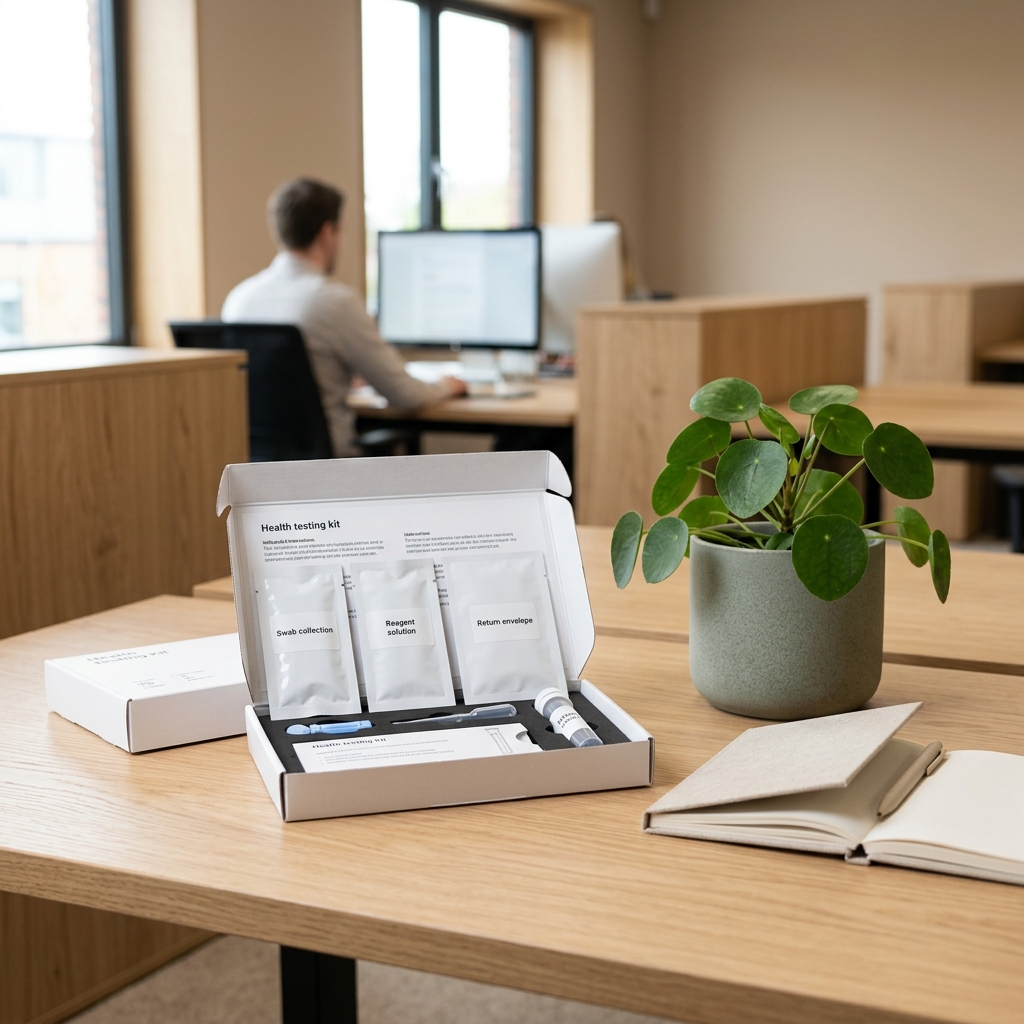
Tracking hs-CRP alongside ferritin and a complete blood count (CBC) helps distinguish between inflammation-driven fatigue and anaemia-related exhaustion. Both present similarly on the surface, but they require very different interventions. This is where health biomarker testing becomes essential: it removes the guesswork and points toward the specific mechanism behind low energy. Biomi offers comprehensive panels that include inflammatory markers, nutritional levels, and hormonal data in a single test, making it straightforward for Canadians to get a full picture of their recovery health from home.

Conclusion
Sleep recovery and daily energy are governed by measurable biological processes, not luck or willpower. Cortisol rhythms, thyroid function, vitamin D status, and inflammatory markers each play a distinct and trackable role in determining how well the body recovers overnight. By testing these longevity biomarkers consistently and responding to the data, it becomes possible to move from vague fatigue toward targeted, lasting improvements. The path to better sleep starts with knowing what is happening inside your body, and acting on it with precision.
Start tracking the biomarkers that matter most for your sleep and energy with Biomi's preventive health testing plans, designed for Canadians who want actionable health data delivered to their door.
Frequently Asked Questions (FAQs)
What biomarkers affect sleep quality?
Cortisol, TSH, free T3, free T4, vitamin D, magnesium, and high-sensitivity CRP are among the most impactful biomarkers that directly influence sleep onset, sleep duration, and the body's ability to cycle through restorative deep sleep stages.
How do biomarkers improve sleep recovery?
By identifying specific deficiencies or imbalances (such as low vitamin D or elevated nighttime cortisol), biomarker testing enables targeted interventions like supplementation or stress management protocols rather than relying on generic sleep advice.
Can biomarkers detect sleep disorders early?
While biomarker testing does not diagnose sleep disorders like apnea directly, abnormal patterns in cortisol, thyroid hormones, and inflammatory markers can flag underlying physiological disruptions that contribute to or mimic sleep disorders before they become severe.
How often should I test biomarkers for sleep?
Testing every three to four months is ideal for tracking trends and measuring whether lifestyle changes or supplementation strategies are producing measurable improvements in the markers that affect sleep and energy.
How does biomarker testing compare to a traditional sleep study?
A traditional sleep study measures brain wave patterns and respiratory events during sleep, while biomarker testing reveals the hormonal, nutritional, and inflammatory conditions that shape sleep quality from the inside, making them complementary rather than interchangeable approaches.
About the author

Health & Wellness Editorial Team
Related articles
- Biological Age Blood Test: What It Measures and Why It Matters
Curious about your biological age blood test results? Explore key biomarkers, what they reveal, and how to start optimizing your longevity today.
- At-Home Blood Draw for Health Testing in Calgary: How It Works
Discover how at-home blood draw testing works in Calgary, from booking to physician-reviewed results. Book your mobile blood collection today.
- What Is Biomi? Biomarker Testing and Biological Age Explained
Discover what Biomi is and how biomarker tracking reveals your biological age vs chronological age. Start your health journey today.
- Home Blood Draw: What to Expect Before Your Appointment
Booking a home blood test? Learn exactly what to expect before your appointment, from prep tips to physician-reviewed results with Biomi.
- What Is Longevity Testing? How It Works and What to Expect
Curious about longevity testing? Learn how this biomarker blood test works, what to expect, and how it reveals your biological age. Start today.
Read article: Biological Age Blood Test: What It Measures and Why It MattersRead article: At-Home Blood Draw for Health Testing in Calgary: How It WorksRead article: What Is Biomi? Biomarker Testing and Biological Age ExplainedRead article: Home Blood Draw: What to Expect Before Your AppointmentRead article: What Is Longevity Testing? How It Works and What to Expect