English
How Health Analytics Platforms Transform Personal Wellness

Introduction
For most Canadians, the annual physical exam is the default touchpoint for understanding personal health. Yet these routine visits rarely provide the depth of data needed to make meaningful lifestyle changes. Health analytics platforms are shifting this paradigm by converting raw biomarker data into personalized health insights that individuals can actually act on. Rather than waiting for symptoms to appear, these digital tools enable continuous, proactive monitoring of internal health markers tied to sleep, energy, hormonal balance, and cardiovascular risk. The gap between what a standard checkup reveals and what your body is actually telling you is wider than most people realize.
What Health Analytics Platforms Actually Do
A wellness analytics platform sits between medical testing and daily lifestyle decisions. It collects biological data, typically through blood draws or at-home collection kits, runs that data through clinical-grade analysis, and then presents findings in a format designed for non-specialists. The result is a clear picture of where your body stands across dozens of health dimensions, not just a binary "normal" or "abnormal" flag from a lab report.
Core Components of a Digital Health Analytics Tool
Understanding what separates a genuine health data analysis tool from a basic fitness tracker comes down to a few structural elements. The platforms doing this well combine medical rigor with consumer-friendly design, and they typically include the following features:
Biomarker testing panels: Comprehensive blood tests that measure 40 to 65+ markers across metabolic, hormonal, cardiovascular, and inflammatory categories.
Personalized scoring systems: Algorithms that translate raw lab values into composite health scores adjusted for age, sex, and individual baselines.
Longitudinal tracking dashboards: Visual interfaces that display trends over time so users can see how lifestyle interventions affect their biomarkers month over month.
Actionable recommendations: Targeted guidance on nutrition, supplementation, exercise, and sleep based on each user's specific results.
Physician oversight: Licensed medical professionals who review results before they reach the user, ensuring clinical accuracy and appropriate follow-up.
How Data Moves from Sample to Insight
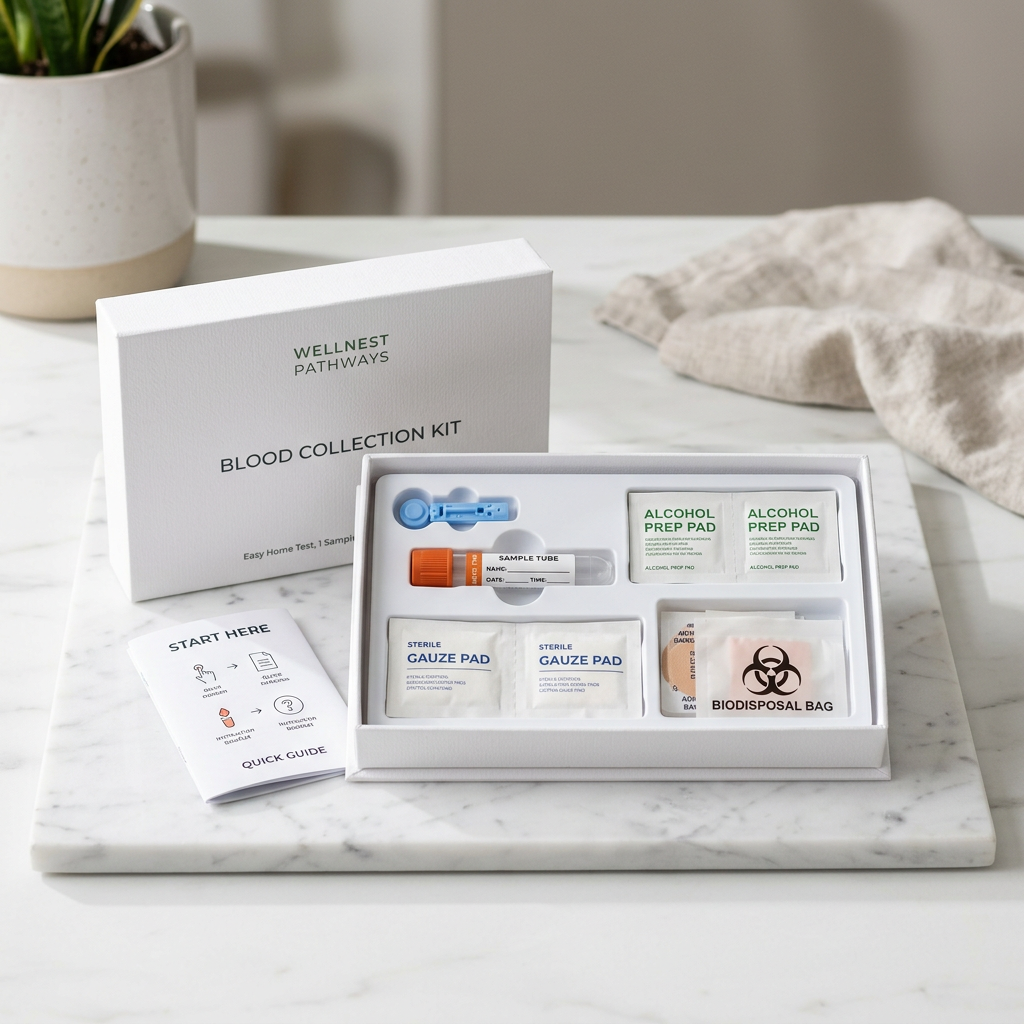
The journey from a blood sample to a usable health recommendation follows a clear pipeline. A user orders a test, either visiting a partner lab or using an at-home blood collection kit that ships directly to a certified facility. Once the lab processes the sample, results are uploaded to the platform and run through proprietary scoring models. These models do more than flag values outside a reference range. They contextualize each health biomarker test result against population data, the user's personal history, and functional medicine thresholds that are often tighter than standard clinical cutoffs.
The output lands on a health dashboard where users can explore individual markers or view aggregate scores. Research published in peer-reviewed journals supports the value of this approach. A study on digital health interventions found that individuals who receive structured, personalized feedback are significantly more likely to adopt and sustain positive behavior changes than those given generic advice.
Why Personalized Analytics Outperform Traditional Checkups
The traditional annual physical serves an important purpose, but it was designed for population-level screening, not individual optimization. A comprehensive health screening captures a broader set of markers and offers context that a basic checkup simply cannot match. Understanding why this distinction matters requires looking at both the clinical and practical limitations of the conventional model.
The Limitations of Reactive Health Care
Standard physicals typically test a narrow panel of markers: complete blood count, basic metabolic panel, cholesterol, and glucose. These tests catch acute problems well, but they are not calibrated to detect the subtle trends that precede chronic disease by years or even decades. A fasting glucose reading of 5.5 mmol/L might fall within a "normal" range, but trending upward over three years, it tells a very different story. Without longitudinal health monitoring, that trajectory stays invisible.
The Canadian health care system, while excellent for acute and emergency care, faces structural constraints around preventive screening. The Public Health Agency of Canada has acknowledged the need to make prevention a greater priority. Health analytics platforms fill this gap by enabling Canadians to track key markers proactively, outside the constraints of limited appointment times and standard test panels. For those in major urban centers or smaller communities alike, the accessibility of at-home testing removes geographic barriers entirely.
Tangible Impact on Sleep, Recovery, and Longevity
Where digital health analytics becomes most compelling is in its capacity to connect internal data with daily lived experience. Consider someone dealing with persistent fatigue. A standard checkup might return "normal" results, but a deeper panel could reveal suboptimal ferritin, low vitamin D, or a thyroid marker trending toward dysfunction. Platforms that test biomarkers tied to sleep, recovery, and energy allow users to pinpoint root causes rather than guessing.
Biomi, for example, offers testing tiers that range from a core health snapshot to a 65+ biomarker panel covering hormonal, thyroid, and cardiovascular markers. The Peak plan even includes a comparison of biological versus chronological age, giving users a concrete metric for how their lifestyle choices are aging their body relative to the calendar. This kind of actionable health data turns vague goals like "get healthier" into specific, measurable targets. A recent review in npj Aging reinforced that biological age markers are among the most promising tools for predicting long-term health outcomes and guiding preventive health programs.
Lifestyle optimization becomes far more precise when guided by data. Instead of broadly recommending "eat better and exercise more," a platform can suggest specific dietary adjustments to address elevated LDL or recommend stress management protocols tied to cortisol patterns. Users tracking top biomarkers for health optimization over time can see exactly which interventions moved the needle, and which did not.

Conclusion
Health analytics platforms represent a meaningful evolution in how individuals engage with their own well-being. By combining comprehensive biomarker testing with personalized scoring, longitudinal tracking, and targeted recommendations, these tools close the information gap that traditional checkups leave open. For Canadians who want to move beyond reactive care and take a data-driven approach to prevention, sleep optimization, and longevity, platforms like Biomi offer a clear path forward. The most effective health decisions are the ones grounded in accurate, personal data, not generalized guidelines.
Take the first step toward understanding your internal health. Explore Biomi's preventive health testing options and discover what your biomarkers reveal.
Frequently Asked Questions (FAQs)
How do health analytics platforms work?
They collect biological data through blood tests, analyze results using clinical algorithms, and deliver personalized scores and recommendations through a digital dashboard.
What is a health score and how is it calculated?
A health score is a composite metric derived from multiple biomarker results, weighted and adjusted for factors like age, sex, and individual baselines to reflect overall wellness.
How can I track my health metrics at home?
Many platforms offer at-home blood collection kits that ship to certified labs, with results accessible through a secure online portal within days.
Can health analytics help with preventive medicine?
Yes, by identifying subtle biomarker trends before they reach clinical thresholds, these platforms enable early intervention that can reduce the risk of chronic disease.
What health analytics platforms are available in Canada?
Several options serve the Canadian market, with Biomi being a notable platform offering tiered biomarker panels, physician-reviewed results, and at-home testing across the country.
About the author

Medical Research Content Advisor
Combines medical research and functional medicine expertise to create educational content on health biomarkers, disease prevention, and longevity.
Related articles
- Biological Age Blood Test: What It Measures and Why It Matters
Curious about your biological age blood test results? Explore key biomarkers, what they reveal, and how to start optimizing your longevity today.
- At-Home Blood Draw for Health Testing in Calgary: How It Works
Discover how at-home blood draw testing works in Calgary, from booking to physician-reviewed results. Book your mobile blood collection today.
- What Is Biomi? Biomarker Testing and Biological Age Explained
Discover what Biomi is and how biomarker tracking reveals your biological age vs chronological age. Start your health journey today.
- Home Blood Draw: What to Expect Before Your Appointment
Booking a home blood test? Learn exactly what to expect before your appointment, from prep tips to physician-reviewed results with Biomi.
- What Is Longevity Testing? How It Works and What to Expect
Curious about longevity testing? Learn how this biomarker blood test works, what to expect, and how it reveals your biological age. Start today.
Read article: Biological Age Blood Test: What It Measures and Why It MattersRead article: At-Home Blood Draw for Health Testing in Calgary: How It WorksRead article: What Is Biomi? Biomarker Testing and Biological Age ExplainedRead article: Home Blood Draw: What to Expect Before Your AppointmentRead article: What Is Longevity Testing? How It Works and What to Expect