English
Can You Actually Reverse Your Biological Age?

Introduction
Your birth certificate says one thing, but your cells might tell an entirely different story. Biological age, the measure of how old your body actually functions at a cellular level, can diverge significantly from the number of candles on your cake. Emerging research now suggests that this gap is not fixed. Through targeted lifestyle changes, nutritional strategies, and consistent biomarker tracking, it may be possible to slow and even reverse the trajectory of biological ageing. The most compelling part? Some of the interventions backed by the strongest evidence are surprisingly accessible.
Understanding Biological vs Chronological Age
The distinction between biological and chronological age is central to the entire conversation around longevity. Chronological age is simply the passage of time since birth. Biological age, on the other hand, reflects how your organs, tissues, and metabolic systems are actually performing relative to expected norms. Two people born in the same year can have vastly different biological ages depending on genetics, lifestyle, environmental exposures, and accumulated cellular damage.
What Drives Biological Ageing at the Cellular Level
At its core, biological ageing is driven by a set of interconnected processes that erode cellular function over time. Researchers at Harvard Medical School have demonstrated that the loss of epigenetic information, the chemical markers that tell cells how to behave, is a primary driver of ageing. Research on epigenetic information and ageing suggests that cellular ageing may be more reversible than previously believed. When these instructions degrade, cells lose their identity and function. Understanding what accelerates this process gives you a direct roadmap for intervention.
Epigenetic drift: Accumulated changes to DNA methylation patterns cause cells to misread their own operating instructions over decades.
Chronic inflammation: Persistent low-grade inflammation damages tissues and accelerates organ decline, often without noticeable symptoms
Telomere shortening: Protective caps on chromosomes erode with each cell division, eventually impairing cellular replication
Mitochondrial dysfunction: Declining energy production in cells leads to fatigue, reduced recovery, and impaired organ performance
Oxidative stress: An imbalance between free radicals and antioxidant defences causes cumulative molecular damage across all systems
Why Biological Age Markers Matter More Than You Think
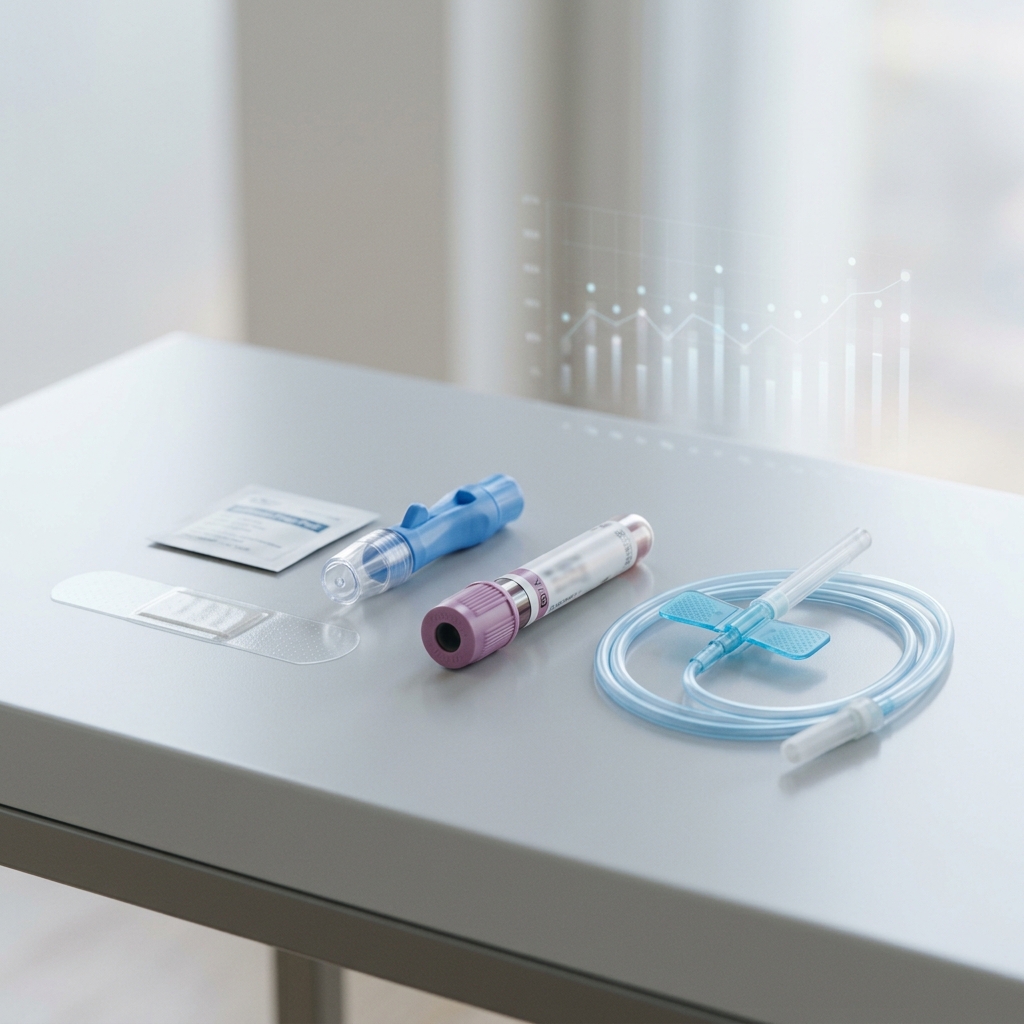
Chronological age tells your doctor nothing about your metabolic health, cardiovascular risk, or hormonal balance. Biological age markers, including blood glucose regulation, lipid panels, inflammatory markers like hsCRP, and hormone levels, paint a far more actionable picture. These health biomarkers reveal how rapidly your body is deteriorating or, conversely, how well your current habits are protecting it. A 45-year-old with optimal biomarker profiles can have the internal health of someone a decade younger, while someone the same age with poor metabolic markers may be functioning closer to 55.
Evidence-Based Strategies to Reverse Biological Age
The science of longevity has moved well beyond theory. Multiple peer-reviewed studies now demonstrate that specific, measurable lifestyle interventions can reduce biological age by several years within relatively short timeframes. The key is identifying which levers matter most and tracking their impact through biomarker testing for age over time.
Nutrition, Exercise, and Sleep as Foundational Interventions
A landmark 2021 clinical trial published in the journal Ageing showed that an eight-week protocol combining specific dietary changes, exercise, sleep optimisation, and stress management reduced participants' biological age by an average of 3.23 years. The dietary component emphasised nutrient-dense, anti-inflammatory foods: leafy greens, cruciferous vegetables, healthy fats, and adequate protein, while limiting processed sugar and refined carbohydrates. These are not exotic interventions. They are adjustments most people can begin implementing immediately.
Exercise is equally potent. Research consistently shows that both aerobic training and resistance exercise improve markers related to sleep, recovery, and energy. Moderate-intensity movement for 150 to 200 minutes per week has been linked to measurably slower telomere shortening. Sleep, often undervalued, plays a critical role in cellular repair and hormone regulation. Adults who consistently get fewer than six hours of sleep show accelerated epigenetic ageing compared with those who sleep seven to eight hours. Frontiers in Ageing research reinforces the interconnectedness of these lifestyle pillars in modulating the pace of cellular decline.
The Role of Biomarker Testing in Tracking Real Progress
Making lifestyle changes without measuring their impact is like training for a marathon without tracking your pace. A biological age assessment provides the baseline data needed to understand where you stand before interventions begin. From there, repeat testing at regular intervals reveals whether your efforts are genuinely shifting your biological trajectory or whether adjustments are needed.
Longevity testing typically analyses a panel of biomarkers that indicate ageing, including fasting glucose, insulin sensitivity, lipid ratios, inflammatory markers, thyroid function, and sex hormones. Some advanced panels also incorporate DNA methylation analysis, which is currently considered the gold standard for estimating biological age. For Canadians interested in accessing this level of data, Biomi offers comprehensive panels that compare biological versus chronological age alongside 60 or more individual biomarkers, all with physician-reviewed results and at-home collection options. This kind of preventive health testing transforms vague wellness goals into measurable outcomes.

Conclusion
Reversing biological age is no longer a fringe concept reserved for biohackers and Silicon Valley executives. Peer-reviewed research supports the idea that targeted nutrition, consistent exercise, quality sleep, and stress management can meaningfully reduce how old your body operates at a cellular level. The critical ingredient linking all of these strategies together is measurement: without regular biomarker testing, you cannot confirm that your interventions are working. Ongoing scientific breakthroughs continue to expand our understanding of what is possible when data-driven health meets disciplined action. The tools to take control of how you age are available now, and the most important step is establishing your baseline.
Start tracking your biological age today with Biomi's comprehensive biomarker testing, designed to give Canadians the precise, actionable data they need to optimise their longevity.
Frequently Asked Questions (FAQs)
What is the difference between biological and chronological age?
Chronological age is the number of years since your birth, while biological age measures how well your body is functioning at a cellular level based on biomarkers, epigenetic patterns, and organ performance.
Can you reverse biological age?
Yes, clinical studies have shown that targeted lifestyle interventions, including diet, exercise, sleep optimisation, and stress reduction, can reduce biological age by several years within weeks to months.
How accurate are biological age tests?
Tests based on DNA methylation clocks are considered highly accurate and reproducible, while blood biomarker panels provide a practical and accessible snapshot of ageing-related health trends.
How often should you test biological age?
Testing every three to six months allows sufficient time for lifestyle interventions to produce measurable changes in key biomarkers while maintaining consistent progress tracking.
Is biological age testing available in Toronto or Vancouver?
Yes, biological age testing is available across Canada through at-home collection services and select clinics in major cities, including Toronto, Vancouver, and other metropolitan areas.
About the author

Health & Wellness Editorial Team
Related articles
- Biological Age Blood Test: What It Measures and Why It Matters
Curious about your biological age blood test results? Explore key biomarkers, what they reveal, and how to start optimizing your longevity today.
- At-Home Blood Draw for Health Testing in Calgary: How It Works
Discover how at-home blood draw testing works in Calgary, from booking to physician-reviewed results. Book your mobile blood collection today.
- What Is Biomi? Biomarker Testing and Biological Age Explained
Discover what Biomi is and how biomarker tracking reveals your biological age vs chronological age. Start your health journey today.
- Home Blood Draw: What to Expect Before Your Appointment
Booking a home blood test? Learn exactly what to expect before your appointment, from prep tips to physician-reviewed results with Biomi.
- What Is Longevity Testing? How It Works and What to Expect
Curious about longevity testing? Learn how this biomarker blood test works, what to expect, and how it reveals your biological age. Start today.
Read article: Biological Age Blood Test: What It Measures and Why It MattersRead article: At-Home Blood Draw for Health Testing in Calgary: How It WorksRead article: What Is Biomi? Biomarker Testing and Biological Age ExplainedRead article: Home Blood Draw: What to Expect Before Your AppointmentRead article: What Is Longevity Testing? How It Works and What to Expect