English
TSH vs Full Thyroid Panel: What Test Do You Need?

Introduction
A thyroid test is one of the most commonly ordered blood tests in Canada, yet most people only ever see a single number: their TSH level. While TSH is a useful screening marker, it represents just one piece of a much larger puzzle. Thyroid dysfunction affects energy, metabolism, weight, mood, and even cardiovascular health, and relying on a single data point can leave significant gaps in the picture. Reviewing hypothyroidism symptoms and causes can help explain how thyroid dysfunction affects multiple body systems. Understanding the difference between a basic TSH screening and a comprehensive thyroid panel is the first step toward making informed decisions about your health.
What TSH Actually Tells You (and What It Doesn't)
TSH, or thyroid-stimulating hormone, is produced by the pituitary gland and acts as a signal to the thyroid to produce hormones. When doctors order a standard thyroid function test, they typically measure only TSH because it is considered the most sensitive initial indicator of thyroid imbalance. However, sensitivity as a screening tool does not equate to completeness as a diagnostic tool.
How TSH Works as a Screening Marker
TSH operates on a feedback loop. When thyroid hormone levels drop, the pituitary gland releases more TSH to stimulate production. When thyroid hormones are sufficient, TSH decreases. This mechanism makes TSH a reliable first-pass indicator of whether the thyroid is under-performing or over-performing. According to the Cleveland Clinic's overview of thyroid blood tests, normal TSH levels generally fall between 0.4 and 4.0 mIU/L, though optimal ranges are a subject of ongoing debate among clinicians.
High TSH: Suggests the thyroid is underactive and the pituitary is working harder to compensate, often pointing toward hypothyroidism
Low TSH: Suggests the thyroid is overproducing hormones, which may indicate hyperthyroidism or medication over-replacement
Normal TSH with symptoms: Can occur when TSH falls within range, but actual thyroid hormone output (T3 and T4) is suboptimal for that individual.
TSH lag time: TSH levels can take weeks to reflect changes in thyroid function, meaning a "normal" result might not capture a developing problem
The Blind Spots of a TSH-Only Approach
The most significant limitation of relying solely on TSH is that it measures the messenger, not the message. TSH tells you what the pituitary gland is requesting, but it does not confirm what the thyroid is actually delivering. A person can have a normal TSH reading while their free T3 or free T4 levels are suboptimal, a scenario that affects how they feel day to day. This is especially relevant for individuals experiencing fatigue, brain fog, or unexplained weight changes who are told their thyroid is "fine" based on TSH alone. Decoding blood biomarkers beyond a single number is what separates a surface-level checkup from genuinely actionable health data.
What a Full Thyroid Panel Includes and Why It Matters
A comprehensive thyroid panel goes beyond the single TSH number to measure the actual hormones your body is producing, converting, and using. For anyone serious about understanding their thyroid health biomarkers, this broader view is essential. The additional markers provide context that transforms a basic screening into a functional assessment of how well your thyroid system is operating.
Key Markers in a Comprehensive Panel
A full thyroid panel typically includes TSH alongside free T4, free T3, and in some cases, thyroid antibodies (TPO and thyroglobulin). Free T4 is the inactive hormone produced directly by the thyroid gland, and it serves as the reservoir from which the body creates T3. Free T3 is the active form of thyroid hormone, responsible for driving metabolism, energy production, and cellular function. When your body struggles to convert T4 into T3, you can experience hypothyroid symptoms even when TSH and T4 appear normal.
Thyroid antibodies add another layer. Elevated TPO or thyroglobulin antibodies can indicate autoimmune thyroid conditions like Hashimoto's thyroiditis or Graves' disease, often years before TSH levels shift outside the standard range. The American Thyroid Association notes that antibody testing is particularly useful for individuals with a family history of thyroid disease or those with symptoms that do not align with their TSH results. This type of preventive health testing catches problems early, before they become entrenched.
Who Benefits Most from a Full Panel
Not everyone needs a comprehensive thyroid screening at every check-in, but several groups stand to gain the most from it. Women over 35 are at higher risk for thyroid dysfunction, particularly during and after pregnancy. Anyone with persistent fatigue, hair thinning, cold intolerance, or difficulty losing weight despite consistent effort should consider going beyond TSH. People with a family history of autoimmune disease or thyroid disorders also benefit, as biomarker testing can detect early shifts in antibody levels.
Data-driven individuals tracking their health longitudinally also find value in the full panel. A single snapshot of TSH can fluctuate based on time of day, stress, and even seasonal changes. Tracking T3 and T4 levels over time creates a trend line that is far more informative than any isolated reading. This is the approach that separates reactive healthcare from proactive health management.

Making the Right Choice for Your Health Goals
Deciding between a basic TSH test and a full panel comes down to what you want to learn and how proactively you manage your wellness. Both have a role, but they serve different purposes at different stages of the health journey.
When a Basic TSH Test Is Sufficient
For routine population-level screening in individuals with no symptoms and no family history, a TSH test remains a reasonable starting point. Provincial guidelines, including those from British Columbia's thyroid testing guidelines, recommend TSH as the initial assessment for suspected thyroid dysfunction. If TSH comes back clearly abnormal, a physician will typically order follow-up tests, including free T4 and T3.
The challenge is that this sequential approach can delay diagnosis. You may need to wait for a second appointment, a second requisition, and additional lab visits before getting the full picture. For someone who simply wants annual confirmation that their thyroid is within range and has no concerning symptoms, a standalone TSH check can provide adequate reassurance. But the calculus changes once symptoms enter the equation.
When You Should Opt for a Comprehensive Panel
If you are experiencing symptoms that could be thyroid-related, or if you have risk factors such as autoimmune conditions, a history of thyroid issues, or a family pattern of thyroid disease, the full panel delivers information you cannot get from TSH alone. It also makes sense for anyone who wants to understand their metabolic baseline in greater detail, particularly those who are testing blood markers annually as part of a preventive strategy.
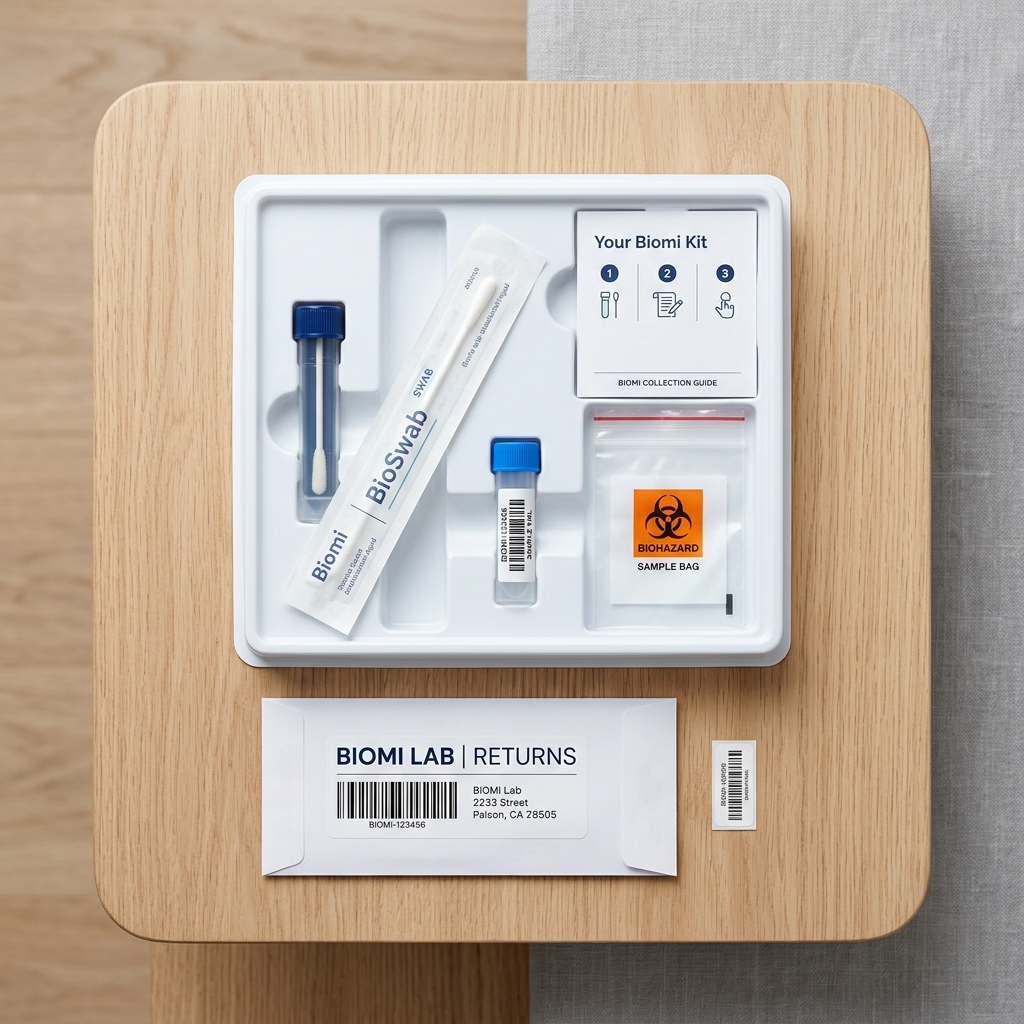
In Canada, accessing a thyroid panel through a family doctor often requires justifying the need for additional markers, and not all provinces cover the full panel without a clinical indication. This is where platforms like Biomi fill a meaningful gap. Biomi's Peak and Ultra plans include thyroid markers as part of a broader biomarker panel, allowing Canadians to get a comprehensive view of their health without navigating the referral process. An at-home blood test in Canada removes the logistical friction that often prevents people from going beyond the basics.
Conclusion
A TSH test is a useful starting point, but it is not a complete picture of thyroid function. T3 and T4 levels, along with thyroid antibodies, reveal how well your body is actually producing, converting, and using thyroid hormones. For health-conscious Canadians who want clarity rather than assumptions, a full thyroid panel provides the depth needed to make confident, data-backed decisions. Whether you are managing symptoms, tracking a known condition, or simply building a comprehensive health baseline, understanding which thyroid markers to test is a practical step toward better outcomes.
Explore Biomi's Peak and Ultra plans to access comprehensive thyroid screening and 60+ biomarkers, delivered to your door across Canada.
Frequently Asked Questions (FAQs)
What is a thyroid test?
A thyroid test is a blood test that measures one or more markers related to thyroid function, most commonly TSH, free T3, and free T4, to assess whether the thyroid gland is working properly.
What are normal TSH levels?
Normal TSH levels generally range from 0.4 to 4.0 mIU/L, though some practitioners consider a narrower range of 0.5 to 2.5 mIU/L more optimal for symptom-free function.
What do T3 and T4 do?
T4 is the inactive thyroid hormone that serves as a precursor, while T3 is the active form that regulates metabolism, energy production, body temperature, and cellular repair throughout the body.
Can you test thyroid at home in Canada?
Yes, several Canadian platforms now offer at-home blood collection kits that include thyroid markers, with samples processed at accredited labs and results reviewed by licensed physicians.
Is a full thyroid panel better than a basic TSH test?
A full panel provides significantly more information than TSH alone by measuring the actual hormone levels and antibodies, making it the better choice for anyone with symptoms, risk factors, or a desire for thorough health monitoring.
About the author
Health & Wellness Editorial Team
Related articles
- Biological Age Blood Test: What It Measures and Why It Matters
Curious about your biological age blood test results? Explore key biomarkers, what they reveal, and how to start optimizing your longevity today.
- At-Home Blood Draw for Health Testing in Calgary: How It Works
Discover how at-home blood draw testing works in Calgary, from booking to physician-reviewed results. Book your mobile blood collection today.
- What Is Biomi? Biomarker Testing and Biological Age Explained
Discover what Biomi is and how biomarker tracking reveals your biological age vs chronological age. Start your health journey today.
- Home Blood Draw: What to Expect Before Your Appointment
Booking a home blood test? Learn exactly what to expect before your appointment, from prep tips to physician-reviewed results with Biomi.
- What Is Longevity Testing? How It Works and What to Expect
Curious about longevity testing? Learn how this biomarker blood test works, what to expect, and how it reveals your biological age. Start today.
Read article: Biological Age Blood Test: What It Measures and Why It MattersRead article: At-Home Blood Draw for Health Testing in Calgary: How It WorksRead article: What Is Biomi? Biomarker Testing and Biological Age ExplainedRead article: Home Blood Draw: What to Expect Before Your AppointmentRead article: What Is Longevity Testing? How It Works and What to Expect