English
Biohacking Tests: What to Measure and Why It Matters

Introduction
Annual physicals were designed to catch disease, not to optimize how you feel, think, and perform every day. Biohacking tests flip that model by using advanced biomarker panels to reveal what is happening inside your body long before symptoms appear. For Canadians pursuing performance optimization, blood tests and deeper health insights, knowing which markers to track is the difference between guessing and making precise, data-driven decisions. The challenge is that dozens of biomarkers exist across metabolic, hormonal, inflammatory, and cardiovascular categories, and not all of them carry equal weight for every goal. Understanding which panels matter most for energy, cognition, recovery, and longevity is where real health optimization begins.
Core Biomarkers Every Biohacker Should Track
A well-designed biohacking blood test panel goes far beyond the basics your family doctor typically orders. While a standard requisition might include a complete blood count and fasting glucose, biohacking health metrics cover a wider net of metabolic, hormonal, and inflammatory markers that reveal subtle imbalances. These biomarkers are measurable indicators of biological processes, and tracking them over time creates a detailed map of your internal health trajectory.
Metabolic and Energy Markers
Energy is the currency of daily performance, and several blood markers act as direct windows into how efficiently your body produces and regulates it. Tracking these markers consistently helps identify root causes of fatigue, brain fog, and poor recovery that standard panels often miss.
Fasting Insulin: Measures how hard your pancreas works to regulate blood sugar, catching insulin resistance years before a diabetes diagnosis.
HbA1c: Reflects average blood sugar over 90 days, providing a long-term view of glucose control that a single fasting glucose test cannot capture.
Ferritin: Indicates iron storage levels, where both low and elevated values correlate with fatigue, poor oxygen delivery, and increased sleep and recovery disruption.
Vitamin D (25-OH): Plays a critical role in immune function, mood regulation, and bone health. Deficiency is widespread in Canada due to limited sun exposure during the winter months.
Thyroid Panel (TSH, Free T3, Free T4): Governs metabolic rate, body temperature, and energy output. Subclinical thyroid dysfunction often goes undetected in routine screening.
Hormonal and Stress Markers
Hormones regulate nearly every system in the body, from muscle recovery to cognitive sharpness. Cortisol, DHEA-S, and sex hormones like testosterone and estradiol are among the most actionable health insights available through a comprehensive panel. A comprehensive blood panel that includes these markers reveals whether chronic stress, poor sleep, or age-related decline is silently undermining your goals. For anyone pursuing health optimization tests, hormone panels are non-negotiable because they connect directly to how you feel, recover, and perform.
Going Beyond the Basics: Longevity and Cardiovascular Biomarkers
Once foundational metabolic and hormonal markers are covered, the next layer of biomarker testing targets longevity risk and cardiovascular health. These panels separate proactive health management from reactive medicine by identifying risk factors that standard lipid panels routinely miss. Emerging research on predictive biomarkers continues to validate the value of tracking inflammation and advanced lipid markers for early disease prevention.
Heart Health and Inflammatory Markers
Standard cholesterol tests report total cholesterol, LDL, and HDL, but these numbers alone tell an incomplete story. High-sensitivity C-reactive protein (hs-CRP) measures systemic inflammation, which is now recognized as a stronger predictor of cardiovascular events than LDL alone. ApoB, which counts the number of atherogenic particles in the bloodstream, provides a more accurate picture of heart health beyond cholesterol ratios.
Homocysteine is another marker worth tracking. Elevated levels are linked to increased cardiovascular risk and may indicate B-vitamin deficiencies that are straightforward to correct with dietary changes or supplementation. When these markers are combined into a single panel, they create a cardiovascular risk profile far more nuanced than anything a traditional lipid test provides. This is precisely where biohacking tests vs traditional blood work diverge most sharply in clinical value.
Biological Age and Longevity Tracking
One of the most compelling frontiers in biomarker testing is the ability to estimate biological age, which measures how old your body actually is at a cellular level versus your chronological age. Markers such as GlycanAge, telomere length, and DNA methylation clocks offer different lenses on biological aging. Tracking these over time reveals whether your lifestyle interventions are actually slowing or reversing cellular decline.
Longitudinal health tracking is what transforms a single blood draw from a snapshot into a trend line. A single result tells you where you are today. Two or three results, spaced months apart, tell you whether your protocols for sleep, nutrition, exercise, and supplementation are moving the needle. Biomi structures its testing tiers around this principle, with the Peak plan comparing biological versus chronological age across sixty biomarkers to give users a clear, data-backed view of their ageing trajectory.

Conclusion
Biohacking tests give you the kind of personalized health data that annual physicals were never designed to provide. By tracking metabolic, hormonal, inflammatory, and longevity-focused biomarkers, you move from reacting to symptoms to preventing them entirely. The key is consistency: testing once provides a baseline, but tracking biomarkers longitudinally is what enables real, measurable progress. For data-driven Canadians ready to take control of their health, choosing the right panel is the most important first step.
Explore Biomi's biomarker testing plans to start measuring what matters most for your health goals.
Frequently Asked Questions (FAQs)
What is biohacking for health?
Biohacking for health is the practice of using science-backed tools like advanced blood panels, nutrition protocols, and lifestyle interventions to optimize biological function beyond the absence of disease.
What biomarkers should I test for biohacking?
Priority biomarkers include fasting insulin, HbA1c, thyroid hormones, cortisol, hs-CRP, ApoB, vitamin D, ferritin, and sex hormones, as these cover metabolic efficiency, inflammation, hormonal balance, and cardiovascular risk.
How do biohacking tests differ from regular blood work?
Biohacking tests include a broader range of markers with tighter optimal ranges focused on performance and prevention, while regular blood work typically screens only for diagnosable disease using wider reference intervals.
Can at-home blood tests support biohacking goals?
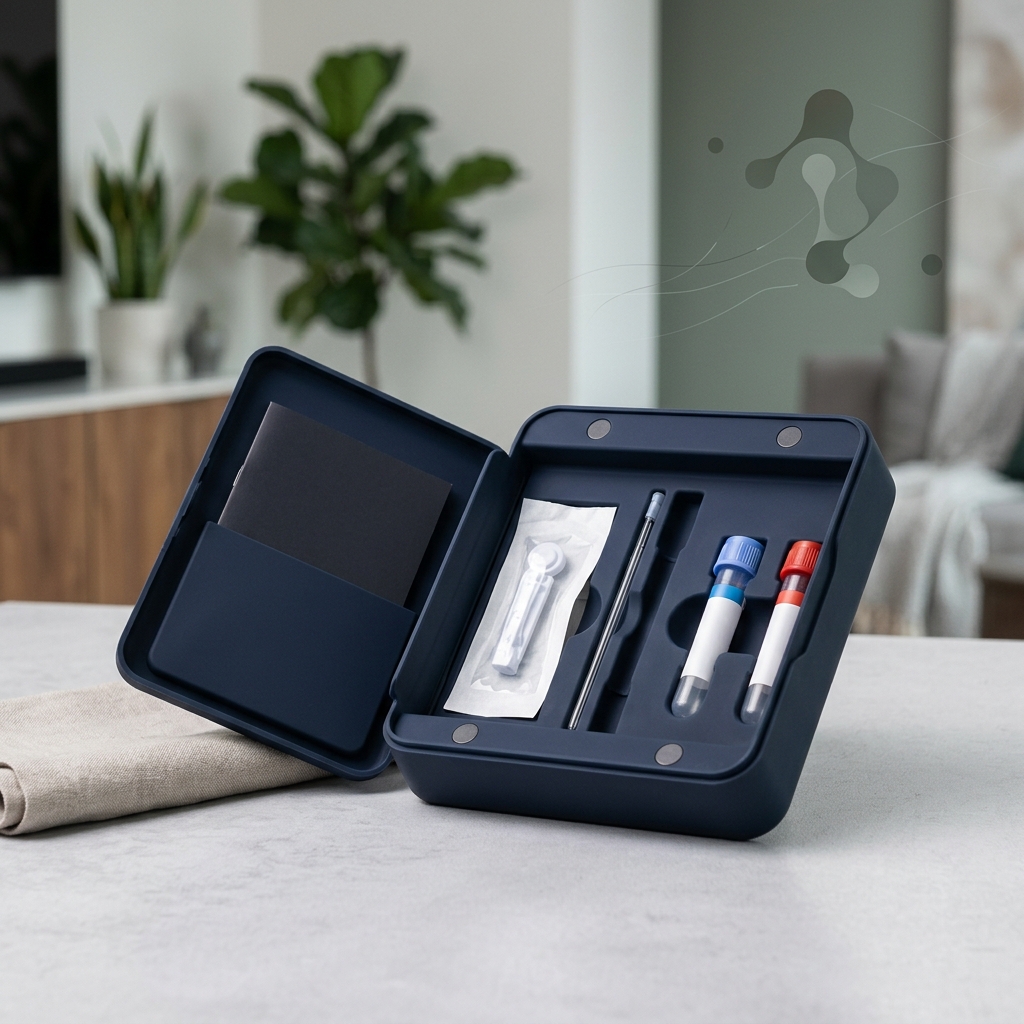
Yes, at-home blood collection kits now offer lab-grade accuracy with physician-reviewed results, making it convenient to track dozens of biomarkers without visiting a clinic.
What biomarkers predict longevity?
Key longevity-associated biomarkers include hs-CRP for systemic inflammation, HbA1c for metabolic health, ApoB for cardiovascular risk, and biological age indicators such as DNA methylation clocks and telomere length.
About the author

Medical Research Content Advisor
Combines medical research and functional medicine expertise to create educational content on health biomarkers, disease prevention, and longevity.
Related articles
- Biological Age Blood Test: What It Measures and Why It Matters
Curious about your biological age blood test results? Explore key biomarkers, what they reveal, and how to start optimizing your longevity today.
- At-Home Blood Draw for Health Testing in Calgary: How It Works
Discover how at-home blood draw testing works in Calgary, from booking to physician-reviewed results. Book your mobile blood collection today.
- What Is Biomi? Biomarker Testing and Biological Age Explained
Discover what Biomi is and how biomarker tracking reveals your biological age vs chronological age. Start your health journey today.
- Home Blood Draw: What to Expect Before Your Appointment
Booking a home blood test? Learn exactly what to expect before your appointment, from prep tips to physician-reviewed results with Biomi.
- What Is Longevity Testing? How It Works and What to Expect
Curious about longevity testing? Learn how this biomarker blood test works, what to expect, and how it reveals your biological age. Start today.
Read article: Biological Age Blood Test: What It Measures and Why It MattersRead article: At-Home Blood Draw for Health Testing in Calgary: How It WorksRead article: What Is Biomi? Biomarker Testing and Biological Age ExplainedRead article: Home Blood Draw: What to Expect Before Your AppointmentRead article: What Is Longevity Testing? How It Works and What to Expect