English
Best Biological Age Tests in Canada Compared

Introduction
Your driver's licence says one thing, but your cells might tell a very different story. Biological age testing in Canada has surged in popularity as more people seek data-driven answers about how their bodies are actually aging at a molecular level. Unlike a standard birthday count, a biological age test Canada providers now offer can reveal whether your cardiovascular system, metabolic function, and cellular repair mechanisms are performing like someone younger or older than your calendar age. The gap between these two numbers holds critical information about disease risk, recovery capacity, and long-term vitality. Choosing the right testing service, however, requires understanding what separates a surface-level snapshot from genuinely actionable health intelligence.
What Biological Age Really Measures and Why It Matters
The concept of biological age vs chronological age has moved from academic curiosity to practical health tool. While chronological age simply counts years since birth, biological age reflects the cumulative wear on your body from genetics, lifestyle, diet, stress, and environmental exposure. Two 45-year-olds can have dramatically different internal health profiles, and testing aims to quantify exactly where each person stands.
The Science Behind Aging Biomarkers
Biological age assessment platforms rely on different methodologies, each with varying levels of precision. The most common approaches fall into a few distinct categories, and understanding them helps you evaluate any service you encounter.
Epigenetic clocks: Measure DNA methylation patterns to estimate cellular age, considered the gold standard in longevity research based on work pioneered by Steve Horvath and subsequent researchers
Blood biomarker panels: Analyse markers like hsCRP, HbA1c, lipid ratios, and hormone levels to calculate composite aging scores across organ systems
Telomere length analysis: Measures the protective caps on chromosomes, though this method shows higher variability and less clinical consensus
Composite algorithms: Combine multiple data inputs including blood work, lifestyle factors, and sometimes wearable device data into a unified biological age score
Why Standard Annual Physicals Fall Short
A typical annual physical in Canada checks a narrow set of markers, often limited to complete blood count, basic metabolic panel, and cholesterol. These tests are designed to flag existing disease, not to detect the subtle shifts that precede it by years or decades. The difference between a preventive health testing approach and a reactive one is the depth and frequency of measurement. Research published in peer-reviewed journals has demonstrated that tracking a broader set of longevity biomarkers over time provides a far more accurate picture of disease trajectory than any single annual snapshot.
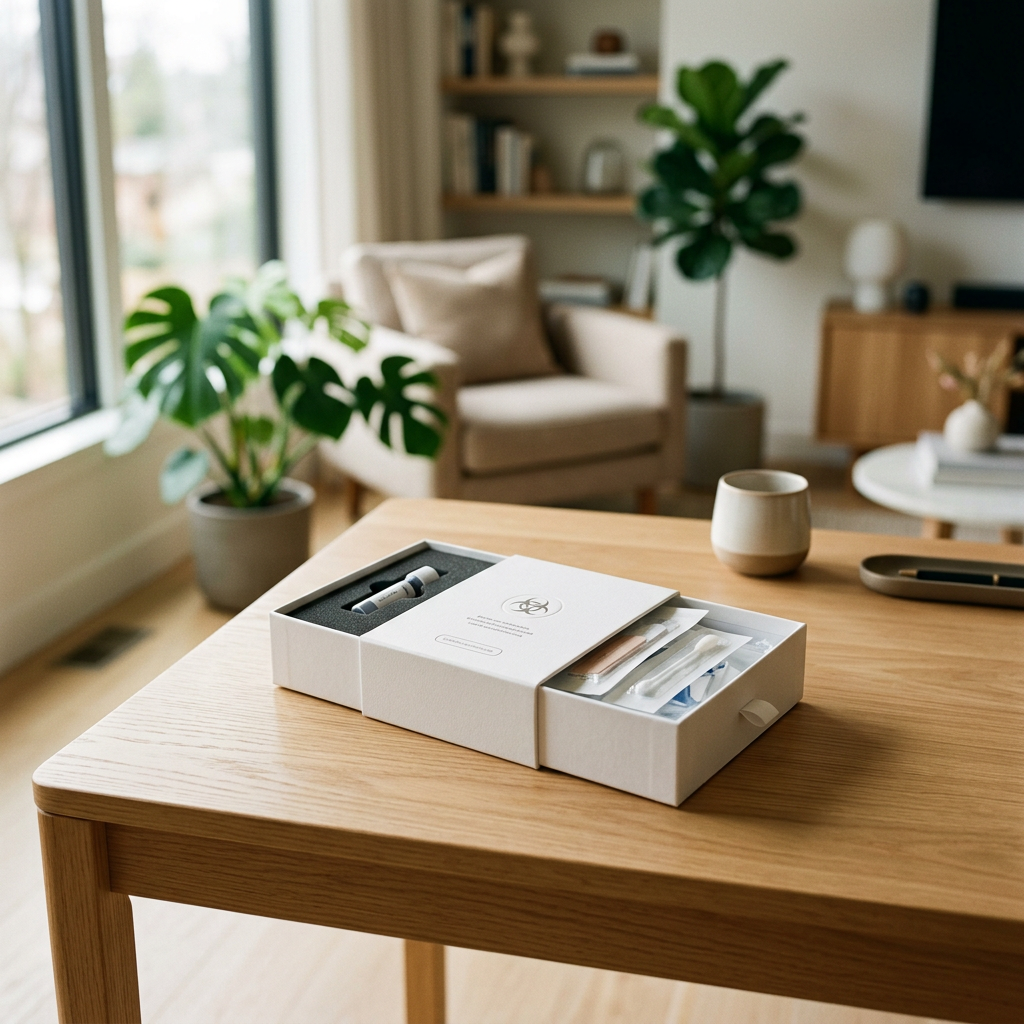
Comparing the Best Biological Age Testing Options in Canada
The Canadian market now includes several distinct categories of longevity testing services, ranging from pure epigenetic testing companies to comprehensive biomarker platforms. Each type serves a different need, and the best choice depends on what you plan to do with the results. A useful comparison should evaluate services across five criteria: biomarker depth, physician involvement, accessibility, longitudinal tracking, and actionability of results.
Epigenetic Age Testing vs. Comprehensive Biomarker Panels
Pure epigenetic age testing services, many of which ship kits from the United States, focus exclusively on DNA methylation. While the underlying science is compelling, as detailed in recent genetic research, these tests typically return a single biological age number without the clinical context needed to take action. You learn that your biological age is 38 or 52, but you are not told which organ systems are driving that number or what specific interventions might shift it.
Comprehensive biomarker panels take a different approach. By testing 50 to 65 or more individual markers across cardiovascular, metabolic, hormonal, and inflammatory categories, these services pinpoint where aging is accelerating. Platforms like Biomi, which offers physician-reviewed panels through its Peak and Ultra plans, provide both the biological age calculation and the granular data behind it. That combination of score and specificity is what separates a novelty result from a genuine health optimization tool. Biomi's Peak plan, for example, covers 60 biomarkers including thyroid, heart, and hormonal markers, while the Ultra plan expands to 65-plus for those seeking the most thorough picture available.
At-Home Collection vs. In-Lab Testing
Accessibility matters, especially across a country as geographically vast as Canada. Some services require visits to specific clinics in Toronto or Vancouver, which limits access for anyone in smaller cities or rural areas. Others offer at-home blood collection options that make testing feasible regardless of location. The quality question is whether at-home collection delivers lab-grade accuracy. When an at-home service partners with accredited Canadian laboratories for processing, the results are clinically equivalent to in-lab draws. The convenience factor should not come at the cost of analytical rigor, so verifying laboratory accreditation is a non-negotiable step before selecting any service.
Physician involvement is another differentiator that varies widely across providers. Some platforms deliver raw data with minimal interpretation, leaving you to research normal ranges independently. Others include a physician review of every result set, ensuring that flagged values are contextualized within your personal health history. For most health-conscious professionals evaluating these services, the value of expert interpretation far outweighs the modest cost difference. When you can order blood tests online and receive physician-reviewed results through a secure dashboard, the process integrates seamlessly into a busy schedule.

Conclusion
The best biological age testing in Canada is not simply the one with the most advanced methodology. It is the one that combines sufficient biomarker depth, physician oversight, accessible collection, and a platform that enables you to track changes over time. Epigenetic testing offers a fascinating window into cellular aging, but without the broader biomarker context, it leaves critical gaps in your ability to act. Comprehensive services that compare plan options across tiers give you the flexibility to start where you are and scale as your health goals evolve. Whether you are in Ontario, Alberta, or anywhere in between, the goal is the same: replace guesswork with precision and move from reactive healthcare to proactive health ownership.
Ready to discover your biological age and the data behind it? Explore Biomi's testing plans and take the first step toward understanding how your body is truly aging.
Frequently Asked Questions (FAQs)
What is the difference between biological and chronological age?
Chronological age is simply the number of years since you were born, while biological age reflects how well your body's cells, organs, and systems are actually functioning based on measurable biomarkers like inflammation, metabolic efficiency, and hormonal balance.
How accurate is biological age testing?
Accuracy depends on the methodology, with epigenetic clock-based tests and comprehensive blood biomarker panels processed through accredited laboratories generally considered the most reliable, though no single test captures the full complexity of aging.
Can you reverse biological age?
Peer-reviewed studies have shown that targeted lifestyle interventions including improved sleep, nutrition, exercise, and stress management can measurably reduce biological age over periods as short as eight weeks.
Is biological age testing covered by insurance in Canada?
Most provincial health plans and private insurers do not cover biological age testing, though some employer wellness programs and health spending accounts can be used to offset the cost.
What biomarkers indicate aging?
Key aging biomarkers include hsCRP for inflammation, HbA1c for metabolic health, lipid particle ratios for cardiovascular risk, DHEA-S and testosterone for hormonal status, and DNA methylation patterns for epigenetic age estimation.
À propos de l'auteur

Health & Wellness Editorial Team
Articles connexes
- Biological Age Blood Test: What It Measures and Why It Matters
Curious about your biological age blood test results? Explore key biomarkers, what they reveal, and how to start optimizing your longevity today.
- At-Home Blood Draw for Health Testing in Calgary: How It Works
Discover how at-home blood draw testing works in Calgary, from booking to physician-reviewed results. Book your mobile blood collection today.
- What Is Biomi? Biomarker Testing and Biological Age Explained
Discover what Biomi is and how biomarker tracking reveals your biological age vs chronological age. Start your health journey today.
- Home Blood Draw: What to Expect Before Your Appointment
Booking a home blood test? Learn exactly what to expect before your appointment, from prep tips to physician-reviewed results with Biomi.
- What Is Longevity Testing? How It Works and What to Expect
Curious about longevity testing? Learn how this biomarker blood test works, what to expect, and how it reveals your biological age. Start today.
Lire l'article: Biological Age Blood Test: What It Measures and Why It MattersLire l'article: At-Home Blood Draw for Health Testing in Calgary: How It WorksLire l'article: What Is Biomi? Biomarker Testing and Biological Age ExplainedLire l'article: Home Blood Draw: What to Expect Before Your AppointmentLire l'article: What Is Longevity Testing? How It Works and What to Expect