English
Fasting Glucose Levels: What Your Numbers Really Mean

Introduction
A fasting glucose test is one of the most commonly ordered blood tests in Canada, yet the results often arrive with little context about what they actually reveal. Fasting blood sugar is more than a single snapshot of metabolic function. It reflects how well the body regulates energy at rest and can serve as an early warning system for conditions like insulin resistance, prediabetes, and type 2 diabetes. Understanding fasting glucose levels requires knowing where a reading falls on a defined spectrum and, more importantly, what factors push those numbers up or down. The difference between a reassuring result and a concerning one can be surprisingly narrow, sometimes just a few millimol per litre.
Understanding the Fasting Glucose Test
A fasting glucose test measures the concentration of glucose in the bloodstream after a period of no caloric intake, typically eight to twelve hours overnight. This fasting state eliminates the influence of recent meals, giving clinicians and individuals a baseline view of how the body manages blood sugar without active digestion.
What Happens During Fasting
When the body goes without food for several hours, the liver releases stored glycogen as glucose to maintain energy supply for the brain and vital organs. Insulin, produced by the pancreas, keeps this glucose release in check. A normal fasting glucose result indicates that this regulatory loop is functioning efficiently, while elevated readings suggest that the body is either overproducing glucose, underresponding to insulin, or both. According to Diabetes Canada's clinical practice guidelines, fasting plasma glucose is a primary diagnostic criterion for classifying glycemic status in adults.
Optimal range (below 5.6 mmol/L): Indicates healthy glucose regulation and low metabolic risk
Impaired fasting glucose (5.6 to 6.9 mmol/L): Suggests prediabetes and early insulin resistance
Diabetic threshold (7.0 mmol/L or above): Meets diagnostic criteria for type 2 diabetes on repeated testing
Low fasting glucose (below 3.9 mmol/L): May indicate hypoglycemia, which requires medical evaluation
Why the Fasting Condition Matters
Postprandial (after-meal) glucose readings naturally spike depending on what and how much was consumed, which makes them useful but highly variable. Fasting glucose eliminates that dietary noise. It reveals the body's resting metabolic baseline, making it a more standardized and reliable way to read blood biomarker results. A fasting glucose range is also easier to compare across time, which is why it remains central to preventive screening in Canada. While some people focus on fasting glucose vs postprandial glucose, both serve different diagnostic purposes. The fasting measurement best captures chronic metabolic trends rather than temporary fluctuations.
What Influences Your Fasting Glucose Numbers
Receiving a fasting glucose result outside the optimal range does not always mean something is clinically wrong. Multiple physiological and lifestyle factors can shift readings up or down, and understanding these variables is essential for interpreting results accurately.
Lifestyle and Physiological Factors
Sleep deprivation is one of the most underestimated contributors to elevated fasting glucose. Even a single night of poor sleep can reduce insulin sensitivity, causing the liver to release more glucose than the body can efficiently absorb. Research indexed by the National Library of Medicine confirms that disrupted sleep architecture has measurable effects on glucose homeostasis.
Stress hormones like cortisol and adrenaline also raise fasting blood sugar. Chronic psychological stress keeps cortisol elevated overnight, which stimulates hepatic glucose output even while the body is at rest. This is a common reason people see readings around fasting glucose 100 mg/dL (5.6 mmol/L) without having any dietary explanation. Physical inactivity compounds the problem by reducing muscle glucose uptake, while regular exercise improves insulin sensitivity and helps lower chronic disease risk over time. Diet quality, alcohol consumption the evening before a test, and even hydration status can also influence results.
The Dawn Phenomenon and Morning Readings
Many people wonder why their fasting glucose appears high in the morning despite eating well the night before. The answer often lies in the dawn phenomenon, a natural hormonal surge that occurs in the early morning hours. Between approximately 4:00 and 8:00 a.m., the body releases cortisol, growth hormone, and glucagon to prepare for waking activity. These hormones trigger the liver to release glucose, which can push morning readings higher than expected. This is particularly noticeable in individuals with insulin resistance, where the body's ability to counteract this glucose dump is already compromised. Tracking key health biomarkers over multiple mornings can help distinguish the dawn phenomenon from a genuine metabolic concern.

Fasting Glucose in the Bigger Picture
A single fasting glucose reading provides useful but limited information. When combined with other comprehensive blood panel biomarkers, it becomes a far more powerful tool for understanding metabolic health.
Fasting Glucose vs HbA1c
One of the most common questions in metabolic screening is whether fasting glucose or HbA1c is more accurate. The two tests measure different things. Fasting glucose captures blood sugar at a single point in time, while HbA1c reflects the average blood sugar over the previous two to three months by measuring the percentage of glycated hemoglobin. Both are valuable, and neither fully replaces the other.
A person could have a normal fasting glucose on the day of testing but an elevated HbA1c, which would suggest frequent postmeal glucose spikes that the fasting test alone cannot detect. Conversely, someone with a borderline fasting result might have a perfectly healthy HbA1c, indicating the elevated reading was temporary or situational. Public Health Canada's guide to diabetes recommends using both tests together to form a complete picture. This is why platforms like Biomi include multiple metabolic markers in their testing panels rather than relying on a single number.
Building a Monitoring Habit
Checking fasting glucose once during an annual physical provides a data point, but it does not reveal trends. Metabolic changes develop gradually, and catching a slow upward drift from 5.2 to 5.8 mmol/L over eighteen months is far more actionable than discovering a prediabetic reading at a single checkup. Regular biomarker testing in Canada has become more accessible through at-home bloodwork options that remove the barriers of clinic scheduling and long wait times. Longitudinal tracking transforms glucose data from isolated numbers into a meaningful narrative about metabolic trajectory. For those enrolled in corporate wellness programs, this kind of proactive monitoring can identify risk factors early enough to intervene with lifestyle changes alone, before medication becomes necessary. Biomi's physician-reviewed testing plans are specifically designed to support this kind of preventive health testing for adults across all Canadian provinces.
Conclusion
Fasting glucose levels are one of the most accessible windows into metabolic health, but the numbers only become meaningful when placed in the right context. Knowing the difference between an optimal reading, a prediabetic signal, and a temporary spike caused by stress or poor sleep changes how decisions about diet, exercise, and monitoring are made. Combining fasting glucose with markers like HbA1c and tracking results over time turns routine bloodwork into a genuine preventive strategy. The goal is not to react to a single alarming number but to build a data-informed understanding of the body that supports long-term health.
Explore Biomi's at-home biomarker testing plans to start tracking fasting glucose and 60+ other health markers from anywhere in Canada.
Frequently Asked Questions (FAQs)
What is a normal fasting glucose level?
A normal fasting glucose level is below 5.6 mmol/L (100 mg/dL), which indicates that the body is regulating blood sugar efficiently during the fasting state.
Why is my fasting glucose high in the morning?
Morning fasting glucose can be elevated due to the dawn phenomenon, a natural hormonal surge of cortisol and glucagon that triggers the liver to release glucose in preparation for waking activity.
How to lower fasting glucose naturally?
Consistent physical activity, improved sleep quality, stress management, and a diet lower in refined carbohydrates are the most effective evidence-based strategies for reducing fasting glucose without medication.
Can stress affect fasting glucose?
Yes, chronic or acute stress elevates cortisol levels, which stimulates the liver to release stored glucose into the bloodstream and can raise fasting readings even in otherwise healthy individuals.
Is fasting glucose testing available at home in Canada?
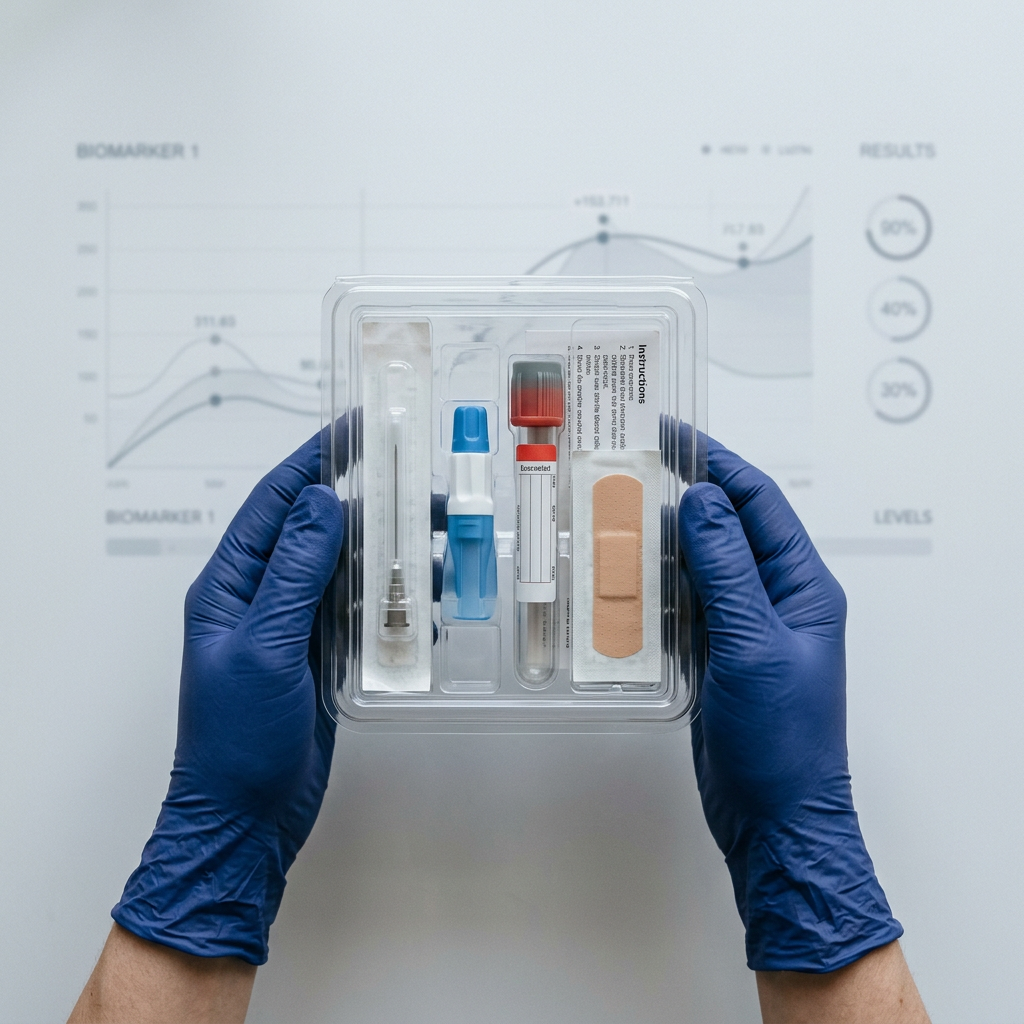
Yes, several Canadian health platforms now offer at-home blood collection kits that include fasting glucose along with other metabolic biomarkers, with results reviewed by licensed physicians and delivered through secure online dashboards.
About the author

Senior Health Content Strategist
Specializes in preventive health, biomarker analysis, and longevity science.
Related articles
- Biological Age Blood Test: What It Measures and Why It Matters
Curious about your biological age blood test results? Explore key biomarkers, what they reveal, and how to start optimizing your longevity today.
- At-Home Blood Draw for Health Testing in Calgary: How It Works
Discover how at-home blood draw testing works in Calgary, from booking to physician-reviewed results. Book your mobile blood collection today.
- What Is Biomi? Biomarker Testing and Biological Age Explained
Discover what Biomi is and how biomarker tracking reveals your biological age vs chronological age. Start your health journey today.
- Home Blood Draw: What to Expect Before Your Appointment
Booking a home blood test? Learn exactly what to expect before your appointment, from prep tips to physician-reviewed results with Biomi.
- What Is Longevity Testing? How It Works and What to Expect
Curious about longevity testing? Learn how this biomarker blood test works, what to expect, and how it reveals your biological age. Start today.
Read article: Biological Age Blood Test: What It Measures and Why It MattersRead article: At-Home Blood Draw for Health Testing in Calgary: How It WorksRead article: What Is Biomi? Biomarker Testing and Biological Age ExplainedRead article: Home Blood Draw: What to Expect Before Your AppointmentRead article: What Is Longevity Testing? How It Works and What to Expect