English
How to Lower Your Biological Age With Lifestyle Changes

Introduction
Your chronological age is fixed, but your biological age is not. Biological age reflects how well your cells, organs, and systems are actually functioning, and it can be years younger or older than the number on your driver's license. For health-conscious Canadians looking to reduce biological age naturally, the good news is that specific, evidence-based lifestyle changes can measurably shift this number in the right direction. The challenge is knowing which levers matter most and how to track whether your efforts are working. That is where biological age biomarkers become the foundation for any serious longevity strategy.
Understanding Biological Age and Why It Matters
Biological age is determined by measurable markers of cellular health, systemic inflammation, metabolic function, and cardiovascular fitness. Unlike your birth year, it responds dynamically to how you live. Two people born in the same year can have wildly different internal health profiles depending on their diet, sleep habits, stress levels, and physical activity. Grasping this distinction is the first step toward making changes that actually count.
What Biomarkers Tell You About Aging
Advanced blood biomarkers provide the most actionable window into how your body is aging. Markers like high-sensitivity C-reactive protein (hs-CRP), fasting insulin, and HbA1c reveal inflammation, metabolic dysfunction, and glucose regulation, all of which directly influence cellular aging. An aging clock test aggregates these data points into a single score that compares your body's functional state against population norms.
hs-CRP: Measures systemic inflammation, a core driver of accelerated aging and chronic disease
HbA1c: Reflects three-month average blood sugar, linking directly to metabolic health and cellular stress
Fasting insulin: Detects early insulin resistance well before diabetes-level symptoms appear
Lipid panel ratios: Evaluate cardiovascular biomarkers that predict arterial health and heart disease risk
Vitamin D and B12: Influence immune function, bone density, and neurological health across the lifespan
Preventive Screening Versus Reactive Care
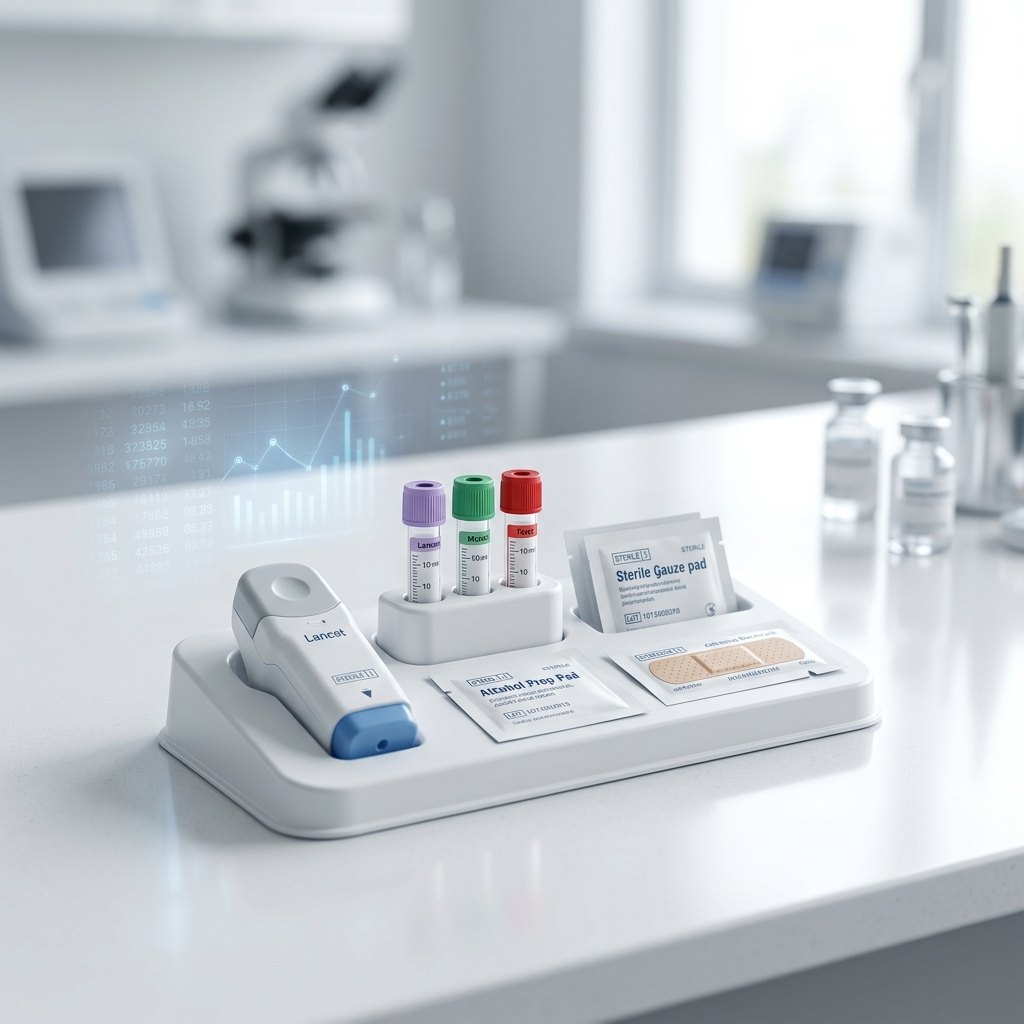
Traditional checkups often focus on symptoms that have already surfaced. By that point, the underlying process may have been accelerating for years. Preventive health screening catches dysfunction early, when it is still reversible. A preventive health screening approach rooted in biomarker tracking gives you a quantifiable baseline and a way to measure the impact of every lifestyle change you make. This shift from reactive to proactive is what separates people who manage disease from those who prevent it.
Lifestyle Changes That Reverse Biological Aging
Knowing your biomarkers is essential, but the real transformation happens through consistent, targeted lifestyle modifications. Research increasingly supports that specific habits across nutrition, movement, sleep, and stress management can reverse biological aging when sustained over time. The key is understanding which changes carry the most weight and pairing them with biomarker tracking for longevity so you can see measurable progress.
Nutrition and Metabolic Optimization
Diet is arguably the most powerful lever for lowering your biological age. A nutrient-dense, whole-foods approach rich in vegetables, lean proteins, healthy fats, and complex carbohydrates reduces systemic inflammation and supports mitochondrial health. Research published in Frontiers in Aging has demonstrated that dietary interventions targeting methylation pathways can measurably shift epigenetic markers of aging in as little as eight weeks.
Reducing processed sugar and refined carbohydrates directly improves HbA1c and fasting insulin, two of the most responsive markers of metabolic aging. Intermittent fasting, when appropriate for the individual, has also shown promise in activating autophagy, the cellular cleanup process that removes damaged components and promotes regeneration. Rather than following rigid meal plans, focus on consistent patterns: adequate protein at each meal, diverse plant intake for polyphenols, and minimizing ultra-processed food consumption.
Exercise as a Longevity Tool
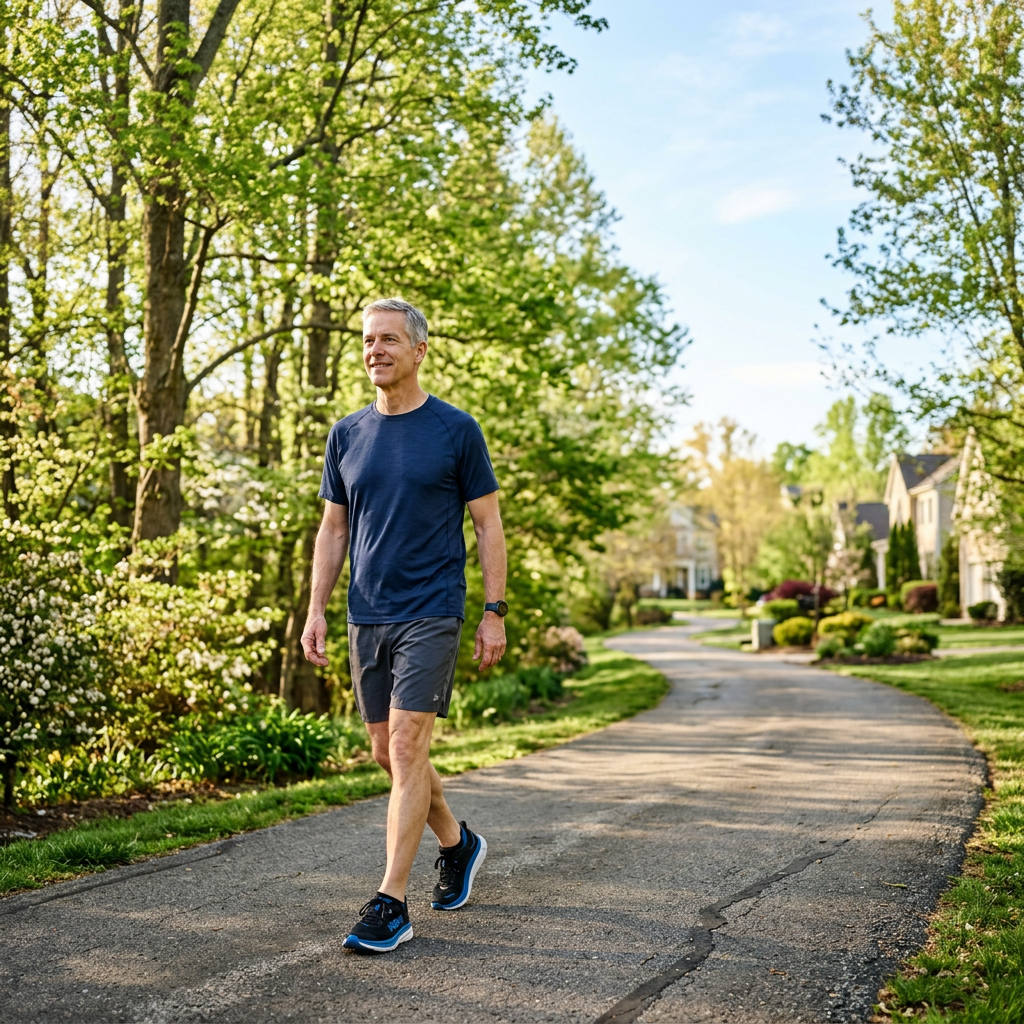
Physical activity is one of the most well-documented ways to reduce biological age naturally. A combination of resistance training and cardiovascular exercise improves VO2 max, insulin sensitivity, and inflammatory markers. Canadian physical activity guidelines recommend at least 150 minutes of moderate-to-vigorous aerobic activity per week, but for longevity purposes, consistency matters more than intensity. Even brisk walking for 30 minutes daily has been shown to lower cardiovascular risk markers and improve metabolic function.
Resistance training deserves special attention because muscle mass naturally declines with age. This loss, called sarcopenia, accelerates biological aging by reducing metabolic rate, impairing glucose disposal, and increasing fall risk. Two to three sessions of strength training per week can preserve and build muscle, supporting health optimization across virtually every organ system. The goal is not to train like an athlete but to create a sustainable routine that you maintain across decades.
Sleep, Stress, and the Power of Measurement
Nutrition and exercise get most of the attention, but sleep quality and stress management are equally important when it comes to lowering biological age. These two factors regulate hormonal balance, immune function, and the body's capacity for cellular repair. Without addressing them, even the best diet and training plan will underperform.
Sleep Quality and Recovery
Sleep is when your body performs its most critical repair work: consolidating memory, clearing metabolic waste from the brain, and regulating growth hormone release. Chronic sleep deprivation, even losing just one to two hours per night, raises cortisol, increases inflammatory markers, and impairs glucose metabolism. A study of epigenetic aging clocks found that individuals with consistently poor sleep quality showed accelerated biological aging compared to those sleeping seven to nine hours nightly.
Practical improvements include maintaining a consistent sleep and wake schedule, limiting blue light exposure after sunset, keeping the bedroom cool, and avoiding caffeine past early afternoon. Tracking biomarkers related to sleep and recovery can reveal whether these adjustments are translating into measurable improvements in hormonal balance and inflammation levels.
Stress Management and Cortisol Control
Chronic psychological stress elevates cortisol, which in turn drives inflammation, impairs immune surveillance, and disrupts metabolic signaling. Over time, this accelerates telomere shortening and epigenetic drift, both hallmarks of biological aging. Mindfulness meditation, breathwork, time in nature, and social connection have all been shown to lower cortisol and improve markers associated with longevity.
The most effective stress management strategy is one you will actually practice daily. Even 10 minutes of focused breathing or a short walk outdoors can create a meaningful physiological shift when done consistently. What makes this actionable rather than abstract is pairing these habits with periodic longevity testing. When you can see your cortisol, DHEA-S, or inflammatory markers trending in the right direction, the motivation to maintain these practices becomes self-reinforcing.
Building Your Biological Age Reduction Plan
The most common mistake people make is trying to change everything at once. A more effective approach is to start with a baseline measurement, identify which biomarkers need the most attention, and layer in lifestyle changes one at a time. Biomi offers biological age testing in Canada that pairs advanced blood panels with physician-reviewed results and a clear dashboard, making it straightforward to see where you stand and what to prioritize. Testing every three to six months creates a feedback loop that turns vague health goals into a data-driven protocol.
Treat your biological age as a living metric, not a fixed verdict. Each quarter, review your results, assess which habits have stuck, and adjust your focus based on what the data shows. Whether it is tightening up your nutrition, adding a health biomarker test to your routine, or committing to better sleep hygiene, the path to a younger biological age is built on consistent, incremental progress guided by real numbers.
Conclusion
Lowering your biological age is not about extreme protocols or expensive interventions. It comes down to consistent lifestyle changes in nutrition, exercise, sleep, and stress management, validated by regular biomarker tracking. The science is clear that these factors directly influence how your cells age, and the tools to measure that influence are now accessible to anyone in Canada. Start with a baseline test, focus on the areas where your markers show the greatest opportunity, and build sustainable habits that compound over time.
Ready to find out your biological age? Get started with Biomi and take control of how you age.
Frequently Asked Questions (FAQs)
Can you reduce your biological age?
Yes, research shows that targeted lifestyle changes in diet, exercise, sleep, and stress management can measurably reduce biological age as reflected in epigenetic and blood-based biomarker panels.
What biomarkers indicate longevity?
Key longevity biomarkers include hs-CRP for inflammation, HbA1c for metabolic health, fasting insulin, lipid ratios, DHEA-S, and vitamin D levels, all of which reflect how well your body is aging at a systemic level.
How often should I test my biomarkers?
Testing every three to six months provides enough time for lifestyle changes to produce measurable shifts while maintaining a feedback loop that keeps your health strategy on track.
Is biological age testing available in Ontario?
Yes, biological age testing is available in Ontario and across Canada through services that offer at-home blood collection with physician-reviewed results delivered through secure online dashboards.
How does biological age testing compare to a regular checkup?
A regular checkup typically screens for existing conditions, while biological age testing analyzes a broader panel of advanced biomarkers to assess cellular aging, metabolic efficiency, and disease risk before symptoms appear.
About the author

Health & Wellness Editorial Team
Related articles
- Biological Age Blood Test: What It Measures and Why It Matters
Curious about your biological age blood test results? Explore key biomarkers, what they reveal, and how to start optimizing your longevity today.
- At-Home Blood Draw for Health Testing in Calgary: How It Works
Discover how at-home blood draw testing works in Calgary, from booking to physician-reviewed results. Book your mobile blood collection today.
- What Is Biomi? Biomarker Testing and Biological Age Explained
Discover what Biomi is and how biomarker tracking reveals your biological age vs chronological age. Start your health journey today.
- Home Blood Draw: What to Expect Before Your Appointment
Booking a home blood test? Learn exactly what to expect before your appointment, from prep tips to physician-reviewed results with Biomi.
- What Is Longevity Testing? How It Works and What to Expect
Curious about longevity testing? Learn how this biomarker blood test works, what to expect, and how it reveals your biological age. Start today.
Read article: Biological Age Blood Test: What It Measures and Why It MattersRead article: At-Home Blood Draw for Health Testing in Calgary: How It WorksRead article: What Is Biomi? Biomarker Testing and Biological Age ExplainedRead article: Home Blood Draw: What to Expect Before Your AppointmentRead article: What Is Longevity Testing? How It Works and What to Expect